A study of nearly 47,000 adults found that the retina holds important clues about your body clock .
If you could know how long you had left to live, would you want to know?
A recent study, published in the British Journal of Ophthalmology, suggests that your eyes may reveal a clue to your lifespan. An international team of researchers found a link between a person's biological retinal age and their risk of death.
Life expectancy prediction window
The retina is the membrane at the back of the eye, containing millions of light-sensitive cells (rods and cones) and other nerve cells that receive and organize visual information.
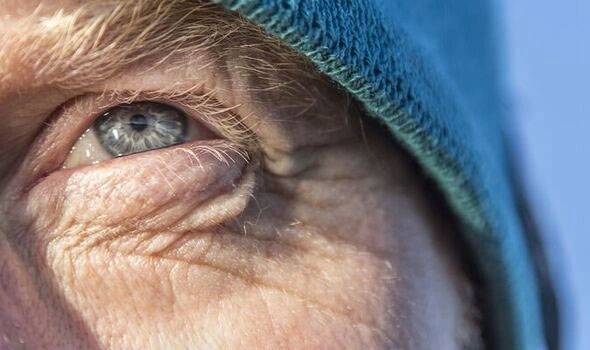
The retina may become an important marker in determining someone's lifespan. (Photo: Yahoo).
A study of nearly 47,000 adults found that those whose retinas appeared 'older' than their actual age were more likely to die in the next 10 years. The discovery could have profound implications for neurodegenerative diseases such as Alzheimer's.
'The retina is a unique, easily accessible 'window' to assess underlying pathological processes in vascular and neurovascular disease associated with increased mortality risk,' said lead author Dr Mingguang He, of the Australian Centre for Eye Research.
Researchers followed the participants, all aged 40 to 69, for an average of 11 years.
Each person had their retinas scanned and their data recorded in Biobank, a large-scale biomedical database and research resource containing in-depth genetic and health information from half a million people in the UK.
The team compared the 'biological age' of each retina with the person's life expectancy. From this, they discovered a 'retinal age gap' in many volunteers. This large gap was associated with a 49 to 67 per cent higher risk of death from any cause other than cardiovascular disease or cancer.
The results also took into account potentially influencing factors such as high blood pressure, body mass index (BMI), lifestyle habits and ethnicity.
'Our new findings identify retinal age gap as an independent predictor of a person's higher risk of death, particularly non-cardiovascular/non-cancer mortality. These findings suggest that retinal age may be a clinically important biomarker of aging,' the authors said.
For each one-year increase in age difference, the risk of death from any cause increased by 2% and 3%, respectively.
The findings add to the growing body of evidence that the network of tiny vessels in the retina is a reliable indicator of overall circulatory and brain health. Risks of disease and death increase with age, but they clearly vary considerably among people of the same age, the team said.
New biomarkers
The study authors used advanced AI to accurately predict a person's retinal age from images. This technology differs from similar tissue, cell, and chemical tests that are inherently biologically aging. Previous technologies have been plagued with numerous ethical and privacy issues. These tests are also invasive, expensive, and time-consuming.
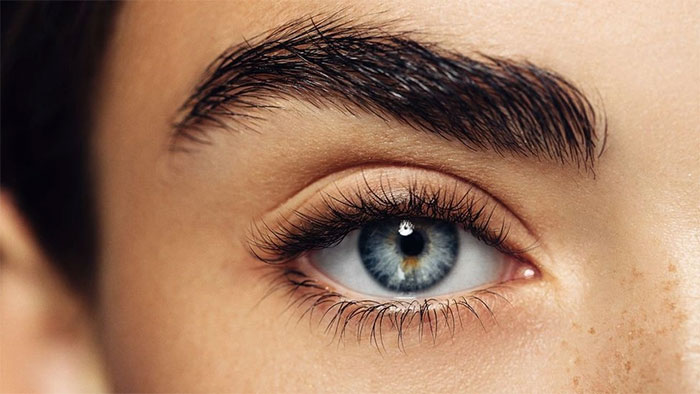
The eyes are not only the "window to the soul" but can also be the window to predict longevity. (Photo: BBC).
Using about 19,200 locus images from the right eyes of 11,052 participants in relatively good health, the team found a strong correlation between predicted retinal age and actual age, with overall accuracy within 3.5 years.
The same procedure was applied to the left eye and yielded the same results. The scientists then assessed the retinal age gap in the remaining 35,917 volunteers.
During the study period, 1,871 (5%) participants died. Of this group, 321 (17%) died of cardiovascular disease, 1,018 (54.5%) died of cancer, and 532 (28.5%) died of other causes including dementia.
More than 50% of participants in the 'accelerated aging' group (those whose retinas looked older than their actual age) had a retinal age gap of more than three years. The remaining 28% had a gap of five years and 4.5% had a gap of more than 10 years.
The new findings, combined with previous research, add further evidence to 'the hypothesis that the retina plays an important role in the aging process ,' Dr He wrote.
The study authors concluded: 'Our findings indicate that retinal age gap may be a potential biomarker of ageing, which is closely associated with mortality risk. Retinal imaging has the potential to serve as a screening tool for risk stratification and tailored interventions' .