New technology
Learn fluid armor technology
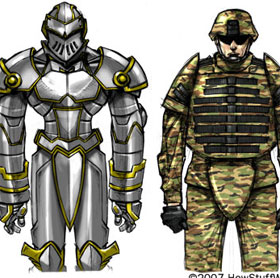
New armor production technology helps to reduce volume and increase the flexibility of outdated armor.
Track emerging technologies, autonomous vehicles, advanced materials, clean energy, robotics and engineering breakthroughs changing the future.
7,777 published items in this category and its subcategories.
New armor production technology helps to reduce volume and increase the flexibility of outdated armor.
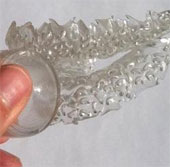
Using three-dimensional technology, engineers in Spain have developed a toothbrush that cleans teeth for each person's mouth.
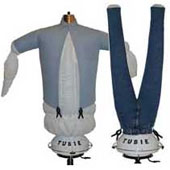
Now a German company has created an exotic device called Tubie that can dry and iron a shirt in just 7 minutes.

Microwave ovens generally have a single purpose: to heat food and drink. But now, the microwave can soon become a charger for cell phones.

Yafet Askale, 28, was caught in an invisible dye while breaking into a stolen car in Harlesden, North West London in June.

Russian engineers have recently developed a navigation system that can replace pilots' control devices such as compasses, altimeters, radio girders, and tilts.
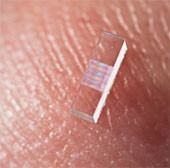
In the first experiment, electron particles were accelerated to near the speed of light in a conventional accelerator.
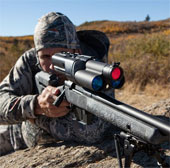
TrackingPoint Company is developing Super Tech Super Gun high-tech rifle.

Scientists have developed artificial muscle types, which allow the robot to lift objects 80 times their weight, promising to equip superhuman powers for the machines.
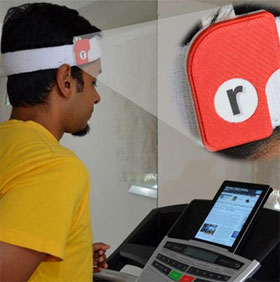
Run-n-Read integrates an accelerometer to measure the speed, mileage, and burnout of a user's energy.
US experts have announced a new software that enables smartphones to recognize users based on how often they use them.
Bacteria in waste, including animal manure, can help generate electricity, according to new research by US scientists.
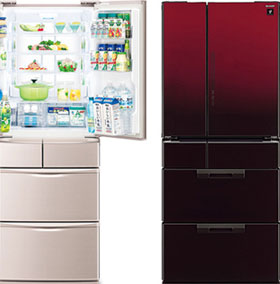
The new Sharp Plasma Cluster refrigerator is capable of detecting earthquakes and automatically closes, allowing food to not fall to the floor.
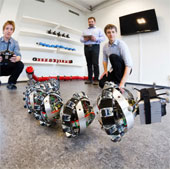
Norway's SINTEF Research Institute is working to complete a new robot design for exploring the surface of Mars. This robot looks like a snake.
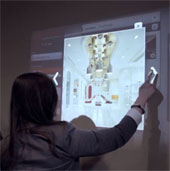
Technology turns a wall, panel, floor or any flat surface into a touch screen that Microsoft has been studying for years.