New technology
Solar cars: Dreams are real
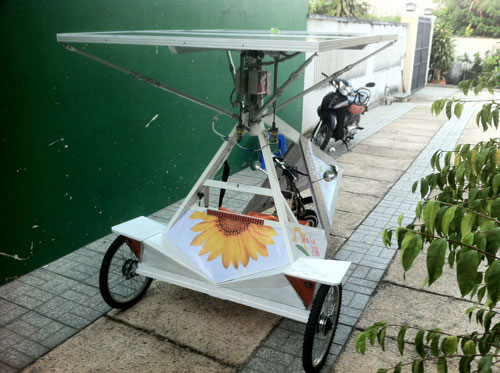
Non-gasoline cars, self-adjusting fuel when it's sunny or cool ... appeared in the Solar Car contest, which will award on December 1 here. According to the author of the…
Track emerging technologies, autonomous vehicles, advanced materials, clean energy, robotics and engineering breakthroughs changing the future.
7,777 published items in this category and its subcategories.
Non-gasoline cars, self-adjusting fuel when it's sunny or cool ... appeared in the Solar Car contest, which will award on December 1 here. According to the author of the…
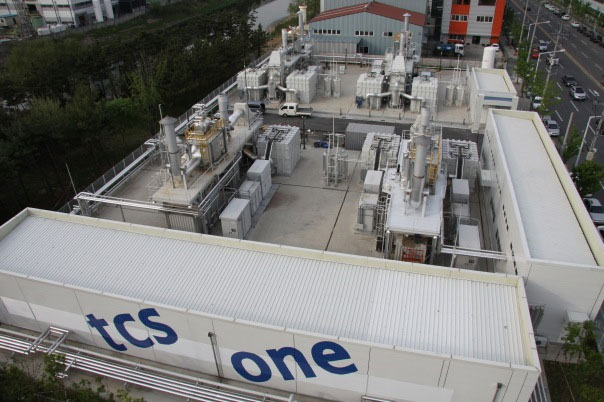
The world's largest 11.2-megawatt fuel cell park was officially put into operation on November 15 in Daegu City, South Korea.

Clean power generation from the turbines that France is about to launch could generate power for 400 families living in a village.
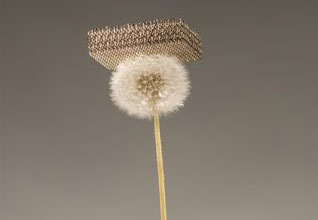
The research was done by a coalition of scientists from the University of California, the University of California, Los Angeles, and the California Institute of Technolo…
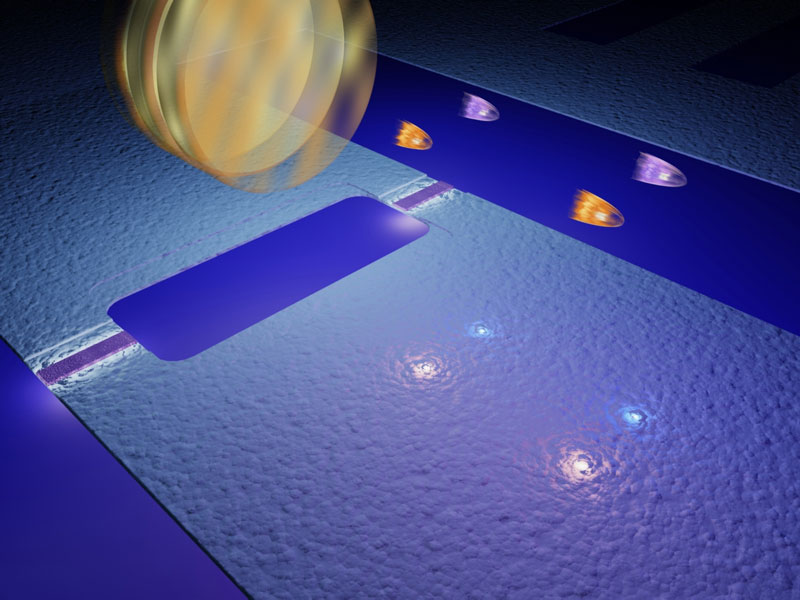
Swedish scientists have realized the idea from 40 years ago - creating light from a vacuum.

Using a laser, the fake wine detector can recognize every element: from alcohol to brand of whiskey.
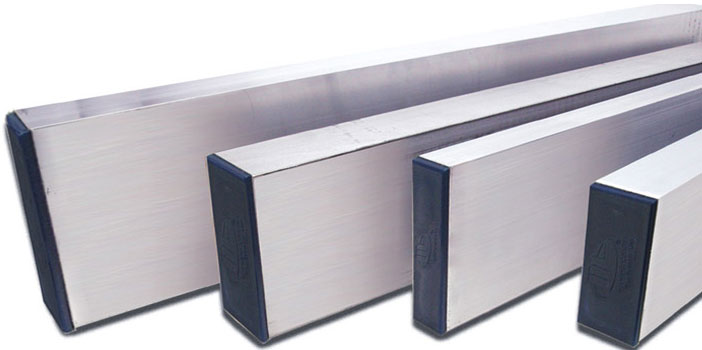
Yves Chabal of the University of Texas at San Francisco, USA, and researcher Santanu Chaudhuri, Washington State University, have discovered that using titanium aluminum…

Have you ever wished you had blue eyes? Sooner or later, you will be able to do this after an American doctor says he can permanently change a person's eye color in…
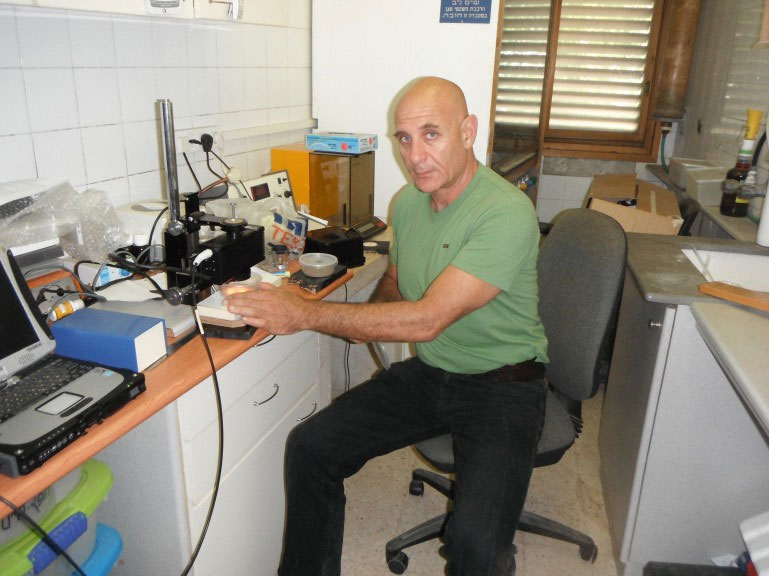
When a chemical reaction occurs, the two active substances combine to produce a specific color under the sun.

Recently, American electronics engineer Scott Amron has created a fruit sticker that removes harmful chemicals such as pesticides, fungicides and water-based waxes.
Researchers at Israel's Tel Aviv University are developing a hybrid type of hybrid power plant that combines renewable energy (solar thermal energy) with traditional…
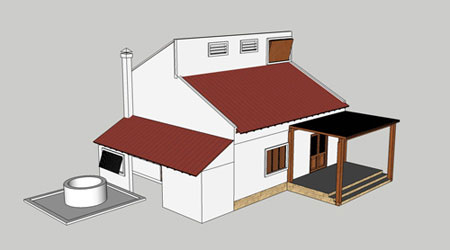
A student of Hong Bang International University has just created a model of flood-resistant houses with the desire to serve people in the central region, which is suffer…
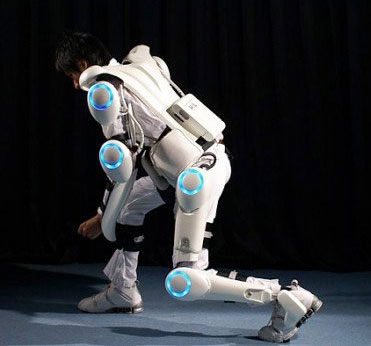
Tokyo-based Cyberdyne Technologies (Japan) on Nov. 7 has released a robot skeleton to support the travel of workers at nuclear power plants.
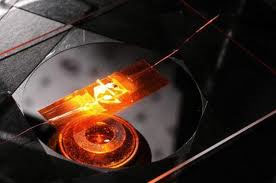
Researchers at the Georgia Institute of Technology used zinc oxide microfibers to significantly improve the efficiency of ultraviolet light emitting diodes.
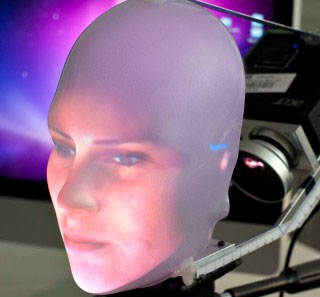
Robotics experts from Munich (Germany) have collaborated with Japanese scientists to develop an ingenious technique to create robots with human faces.