New technology
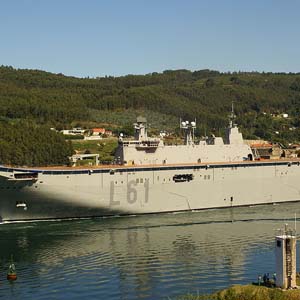
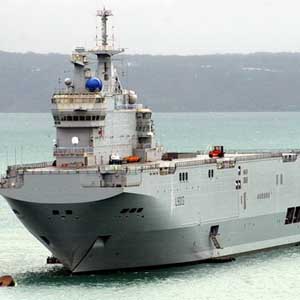
Australia launched the largest naval warship in history
After a period of test run, Australia has launched the largest naval aircraft in history.
Track emerging technologies, autonomous vehicles, advanced materials, clean energy, robotics and engineering breakthroughs changing the future.
7,774 published items in this category and its subcategories.
After a period of test run, Australia has launched the largest naval aircraft in history.

With the use of GPS, GPRS, buses will not need to ignore, passengers in the car and at the waiting station will be informed continuously information about the distance o…
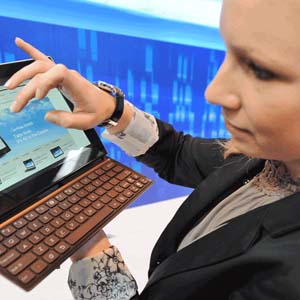
A specially designed software, when installed, can make your personal computer a great makeup consultant for its owner.
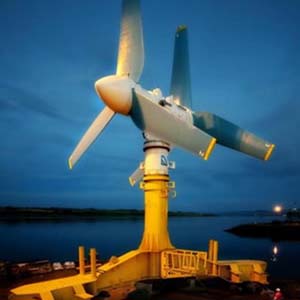
The exploitation of tidal energy opens a great prospect, minimizing the emission of carbon dioxide causing the greenhouse effect.
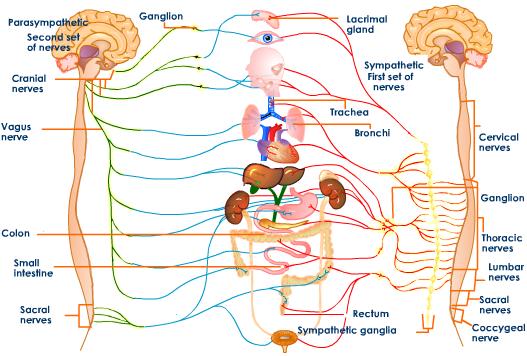
Scientists are developing a fluorescent fluid to inject into the patient's body, thereby glowing nerves.
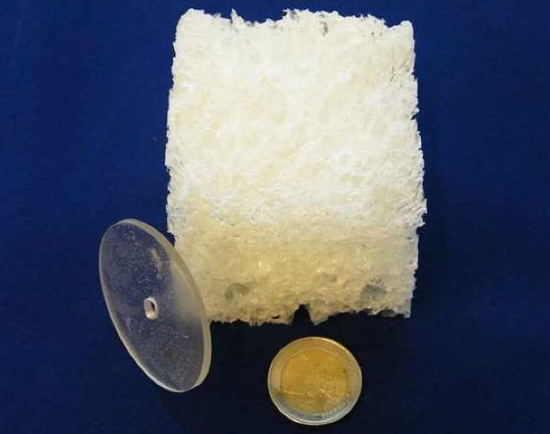
Dutch scientists have created a non-toxic plastic that can be completely biodegradable from cheap plant materials.

US scientists have successfully invented a sensor system attached to the fence, which can identify suspects who are trying to cross this protective network.
Russia will spend about $ 678 billion to modernize its military capabilities in the coming decade.

The US Navy has begun experimenting with bulletproof protective eyeglasses that automatically change color according to lighting conditions.
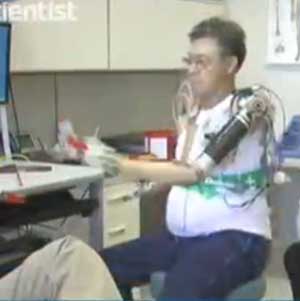
For Jesse Sullivan, his prosthetic arm was particularly intelligent as it was controlled by the mind of the owner.

Malaysian scientists are exploring alternative sources of materials to produce high-tech electronics such as batteries for electric vehicles.

A Russian company successfully built a helicopter capable of high altitude and anti-corrosion.
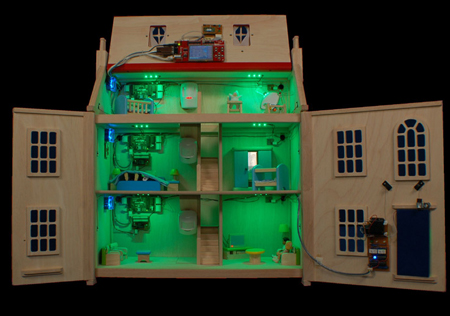
British experts are working on a smart home system that can alert people when a homeowner is sick or in distress.
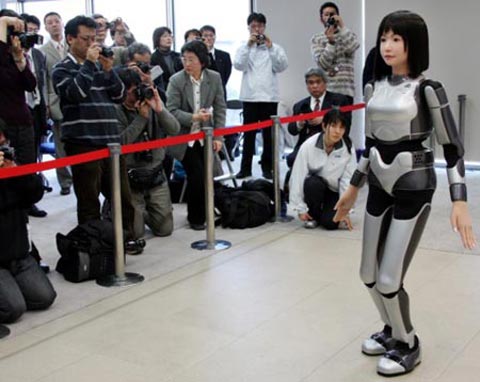
Japan Space Agency is planning to send a human robot into space. This robot can communicate with humans on Earth via social networking site Twitter.
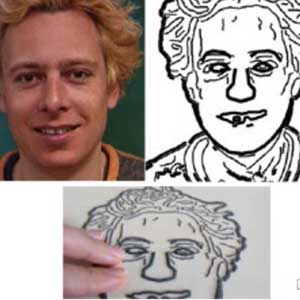
US scientists have successfully developed a new printing system capable of producing portraits that the blind can feel and