New technology
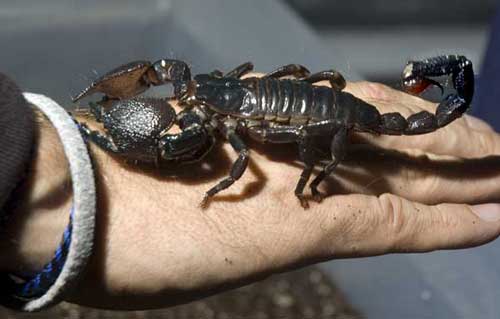
Breakthrough in heart surgery with scorpion poison
A toxin in the scorpion's venom may help boost the success rate of surgery.
Track emerging technologies, autonomous vehicles, advanced materials, clean energy, robotics and engineering breakthroughs changing the future.
7,774 published items in this category and its subcategories.
A toxin in the scorpion's venom may help boost the success rate of surgery.
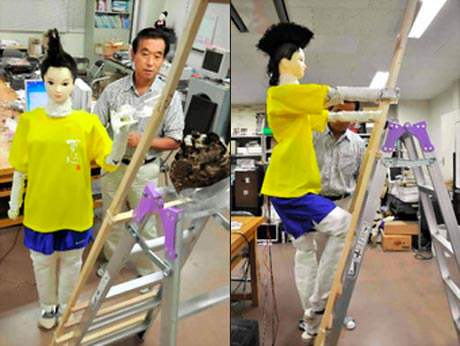
The humanoid robot, called the Mohican, is about 1.67 meters high, made from light metal and wood, and can escalate to pesticide spraying.

The DNA spraying equipment installed at banks will identify the suspect subject with a built-in sensor system.
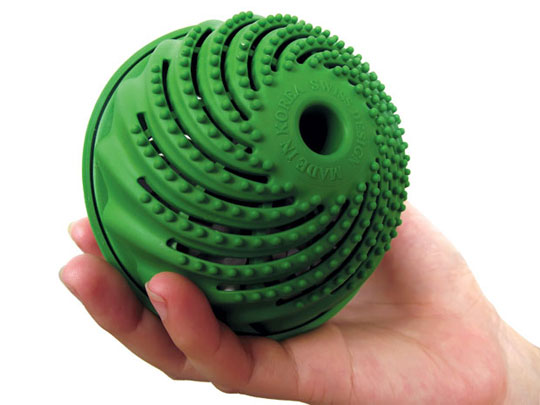
More and more new inventions and applications with the criteria to protect the environment. The market has a kind of 'biological washing ball' ...

After coming from Italy, the unmanned truck passed 13,000 km to reach China on October 26.

Scientists at the University of Manchester have developed a software for cell phones so they can recognize users face-to-face in real time.

To mark this event, Honda will launch a separate website featuring films and photos of ASIMO's development.
Researchers at the University of Manchester have successfully created a handheld scanner that quickly identifies breast cancer, helping women instantly recognize tumors…
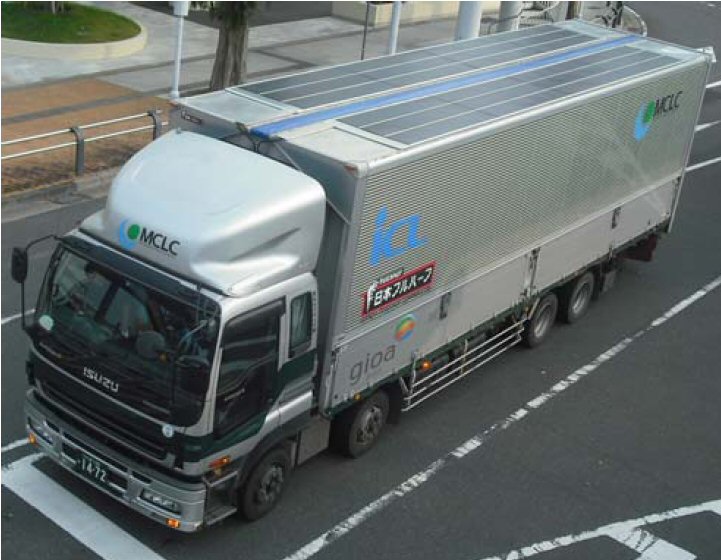
A truck solar-powered air conditioning system will be available in the market in early 2012.
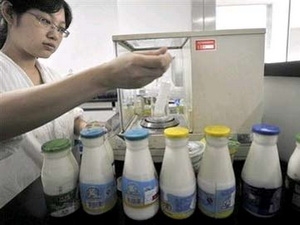
Chinese scientists can quickly check for artificial impurities contained in dairy products by nuclear magnetic resonance imaging.
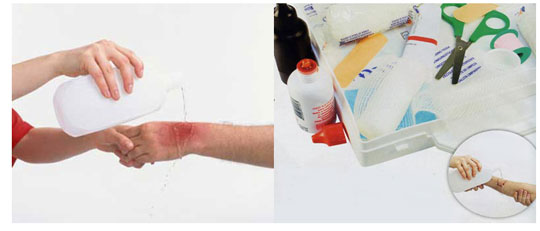
Scientists in the United States have researched wound healing technology by
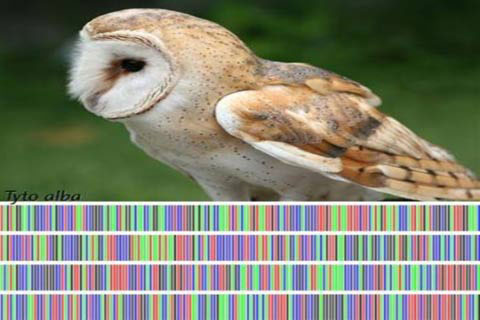
The International Barcode of Life Project (iBOL), is the world's first DNA barcode library and is the world's largest complete genetic engineering project.

Travelers at a hotel in Stockholm could use a cell phone instead of a key or magnetic card to open the door.

To enhance combat effectiveness, the US military has deployed many advanced robots to support soldiers on the battlefield.
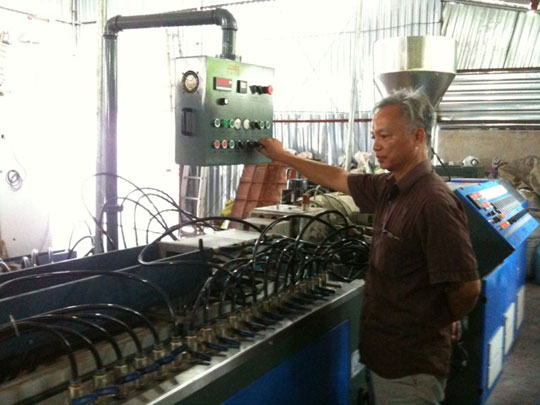
The rice husk was originally removed from bran, then 'crushed' into small particles by decomposition by temperatures greater than 200 ° C at the same pressure.