
New technology
Toy technology reduces the damage of guns
US troops have ordered Lund & Company Invention to use toy rocket launch technology to reduce the possibility of lethal gunfire.
Track emerging technologies, autonomous vehicles, advanced materials, clean energy, robotics and engineering breakthroughs changing the future.
7,777 published items in this category and its subcategories.
US troops have ordered Lund & Company Invention to use toy rocket launch technology to reduce the possibility of lethal gunfire.

With the 'virtopsy' system, Professor Michael Thali and his associates perform about 100 autopsies each year without using a scalpel to determine the cause of de…
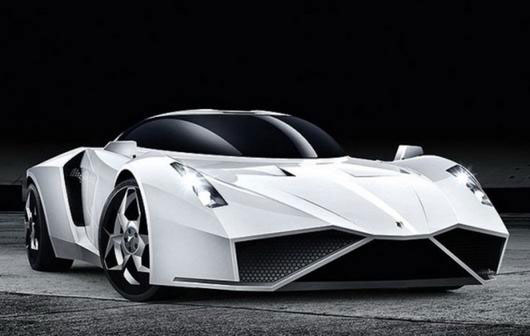
This is an electric vehicle based on the original super sports car using gasoline engine and is able to operate as inferior to the gasoline car.
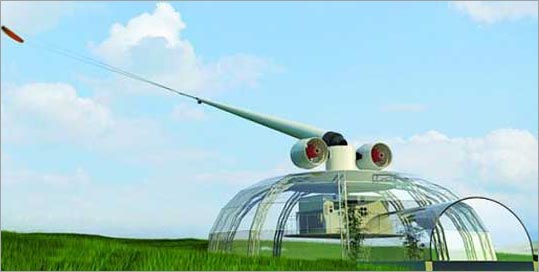
In order to generate more power from the wind, there must be strong winds. The higher the winds will become even more ...
New sensors to detect illegal chemicals and illegal drugs to combat crime and terrorism are being developed by scientists at the University of Belfast in Queen ...
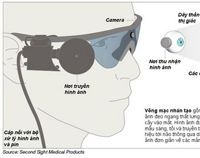
Advances in technology, genetics, biology and brain science are helping to restore vision to the blind.

Scientists around the world are trying to extract algae oil, which is available in organic form and much cheaper than large-scale petroleum to provide motor vehicles ...
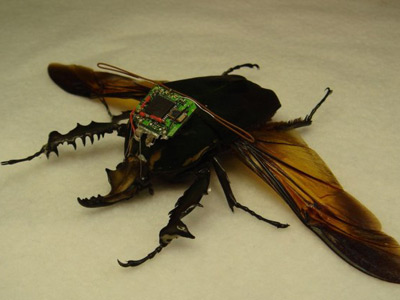
Spies can immediately overhear a conversation using second-hand insects in a US-invested study ...
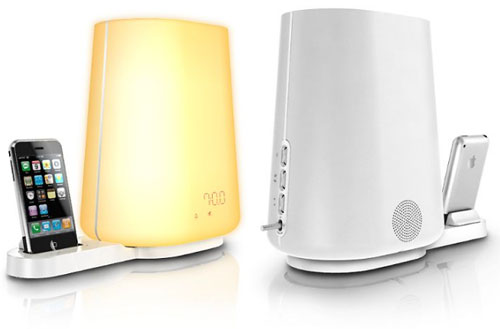
If you are a type of person who likes to sleep on the grill or find it difficult to wake up to the clock in the morning. Perhaps the new Philips alarm clock will be the…
An idea to create a ski simulator can help people play at anytime and anywhere.
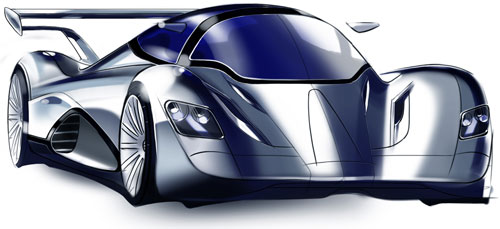
Two car enthusiasts in Beverly Hills, Calif., Are focusing on producing the first non-polluting, wind-powered car.
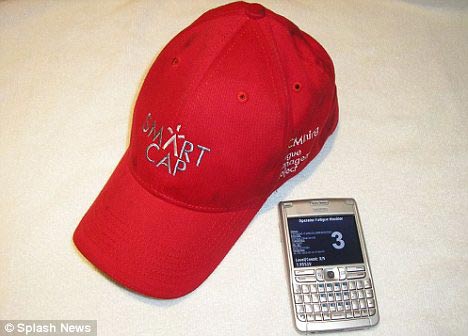
Australian scientists have developed a helmet that detects driver drowsiness by monitoring brain waves.

Scientists have successfully built a car navigation robot with the ability to interact with the driver.

Researchers at Stanford University are developing nanoscale chips that can detect early biological markers of cancer in humans.

Even the most expensive and complex machine on the planet, the large particle accelerator breaks down after a piece of bread falls into the electrical system.