New technology
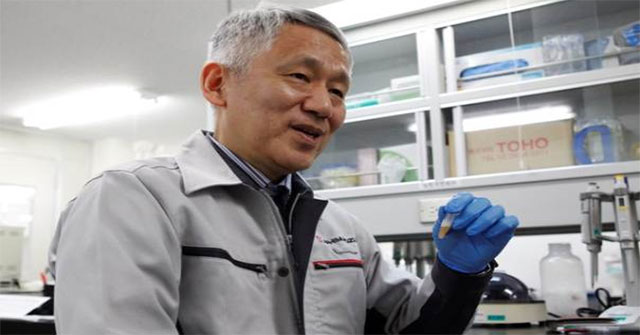
Nobel laureate scientist makes the world's smallest mass spectrometer
The smallest mass spectrometer in the world created by a Nobel laureate in 2002 and expected to play an important role in pharmaceutical research
Track emerging technologies, autonomous vehicles, advanced materials, clean energy, robotics and engineering breakthroughs changing the future.
7,777 published items in this category and its subcategories.
The smallest mass spectrometer in the world created by a Nobel laureate in 2002 and expected to play an important role in pharmaceutical research
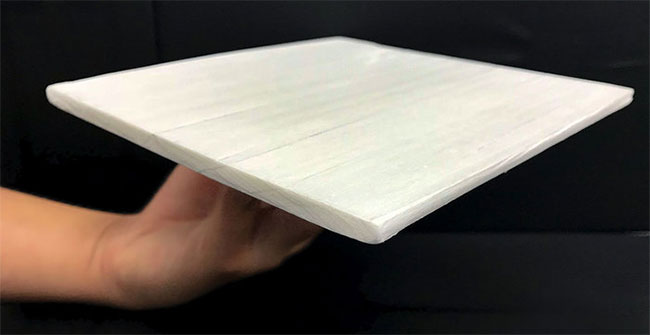
According to Science, researchers at the University of Maryland and the University of Colorado, USA, have developed a new wood construction material, capable of cooling…
Australian scientists have found a technique that can extend the shelf life of fresh milk to two months without cooling, it is important to retain the natural color and…
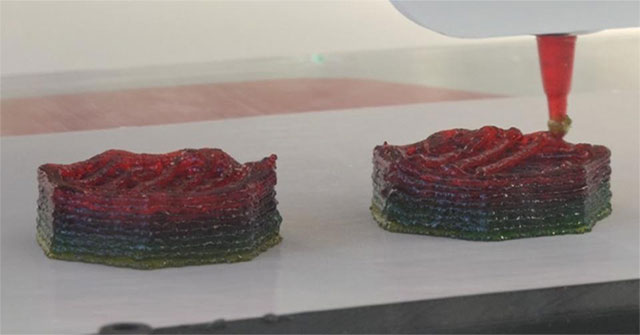
Nourish3D, a UK-based company has launched a 3D printing device, which can print 7 separate food layers, according to users' needs.
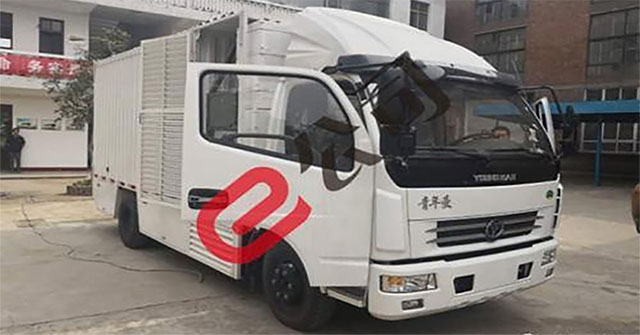
A Chinese car company claims to have built a hydrogen-powered car that can run up to 500km of water with water alone.

China has just announced a bullet ship from bullet speed can achieve a maximum speed of 600km / h.
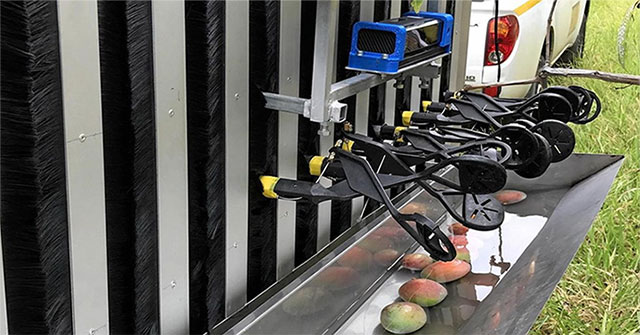
This automatic mango harvesting device is part of an integrated system that helps farmers know the exact number of fruits, harvest time and number of workers needed to h…
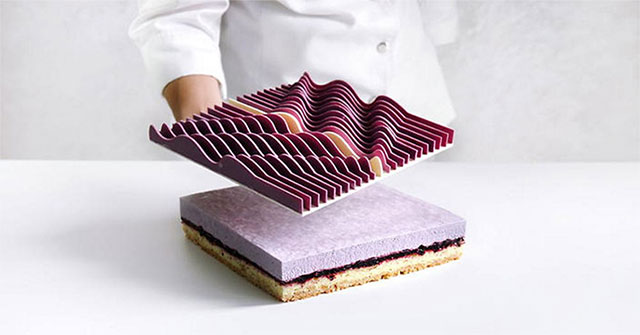
3D printing technology is no longer so strange, but scientists have made them more novel by applying to unique jobs.

Sewbo is the first robot in the world to be able to use a sewing machine to create a complete T-shirt, by stitching together 'frozen' fabrics with chemicals.
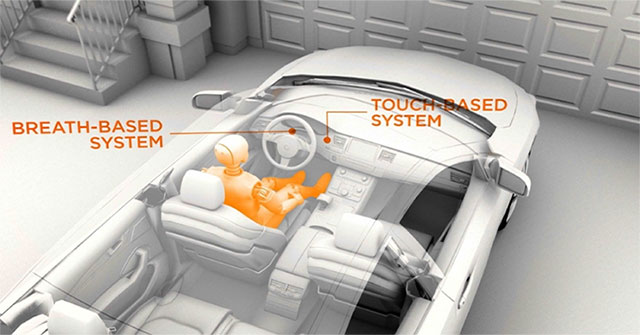
When the driver enters the vehicle, the DADSS system will measure the alcohol content of the breath and the skin within a second. If the measured alcohol concentration e…
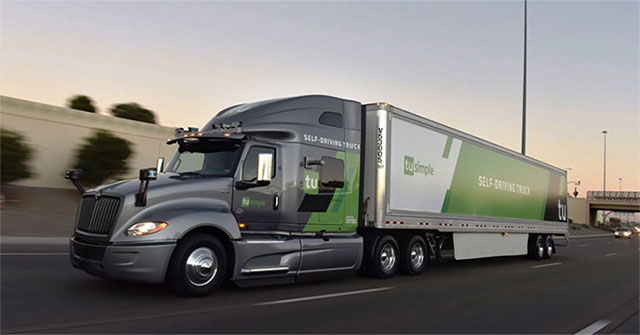
US Postal Service (USPS) is testing a program for self-driving trucks to handle parcel delivery.
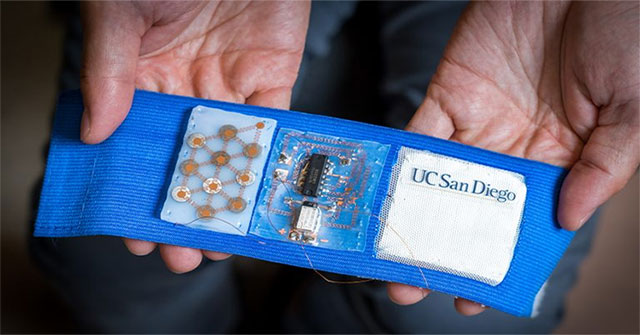
This compact band is used as a 'portable air conditioner', which adjusts your skin temperature to an ideal level anywhere, regardless of the hot sun.
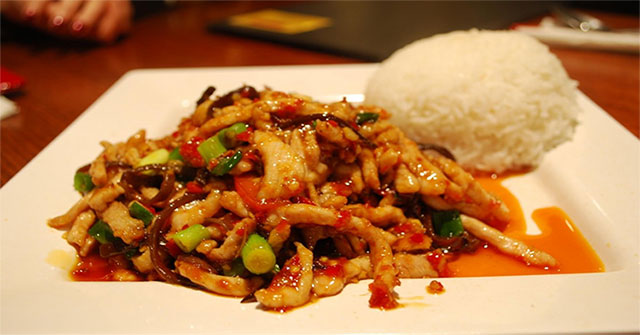
Robots equipped with sensors, imitating the functions of human eyes, nose and tongue devouring food.
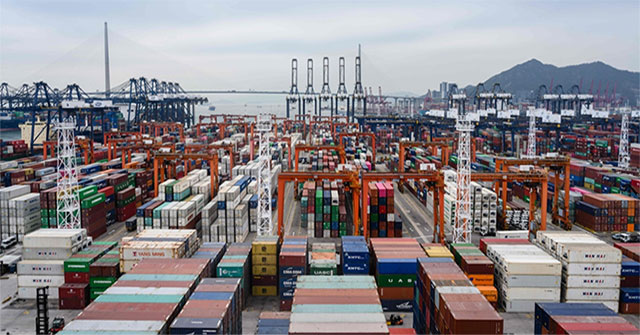
A fleet of unmanned aircraft will begin monitoring the airspace of some of the busiest ports in the world with the goal of cutting pollution from cargo ships.
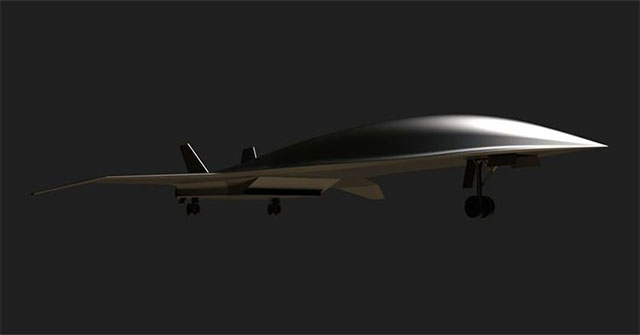
If successful, the model of Hermeus could shorten the flight time between New York and London to 1.5 hours compared to the current 7 hours.