Space science
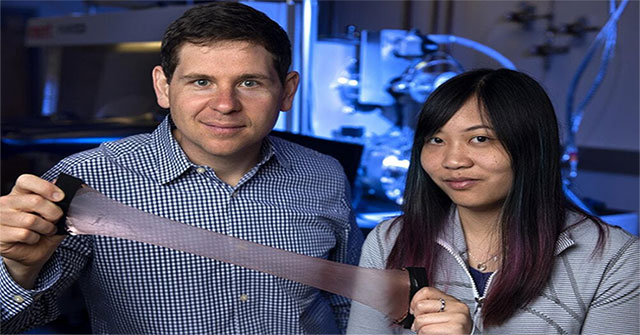
Cosmic blanket scientists are inspired by ink skin
Cosmopolitan houses can soon be covered with ink skins inspired by ink skin.
Explore astronomy, NASA missions, planets, galaxies, the Moon, the Solar System and discoveries that expand our understanding of the universe.
8,698 published items in this category and its subcategories.
Cosmopolitan houses can soon be covered with ink skins inspired by ink skin.
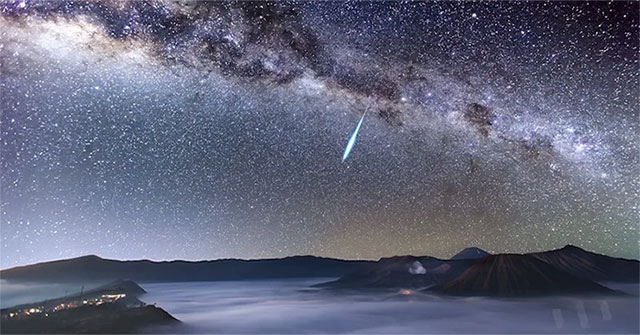
The pieces of Halley's comet are plunging into the atmosphere of the earth and promise to create a beautiful meteor shower on Monday night (May 6), if the weather is goo…
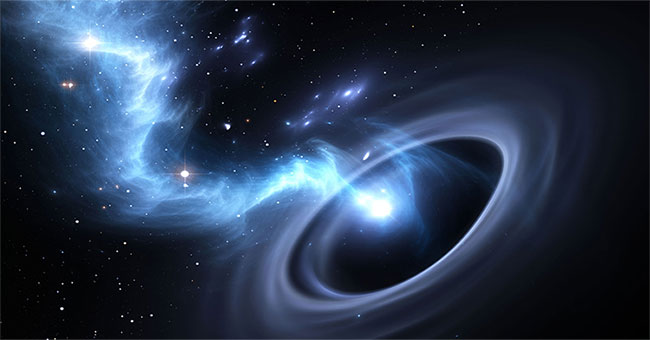
The material attracted to the black hole will appear suddenly in the future because
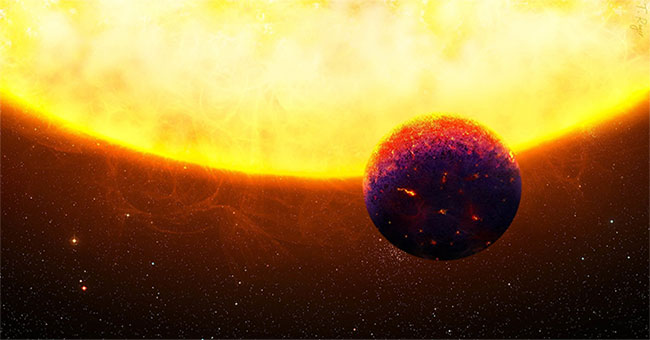
Researchers have discovered a unique shimmering planet in the universe with surfaces covered with sapphire and ruby.

The Soyuz MS-09 spacecraft produced by Russia carries three astronauts who landed in the vast snow cover in Kazakhstan, located about 140 km southeast of Dzhezkazgan cit…

Elon Musk has SpaceX, Richard Branson has Virgin Galactic, and Jeff Bezos has Blue Origin. 3 giants with three aerospace startups are opening up a new generation of spac…
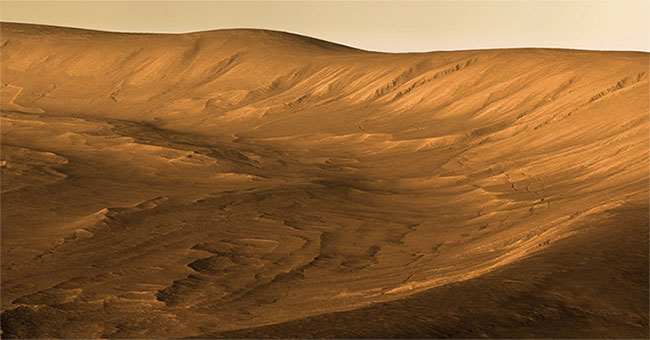
From the storm that can swallow Earth on Jupiter, to the vertical cliffs of 19km high in Uranus satellite, natural marvels in the Solar System will make you ecstatic.
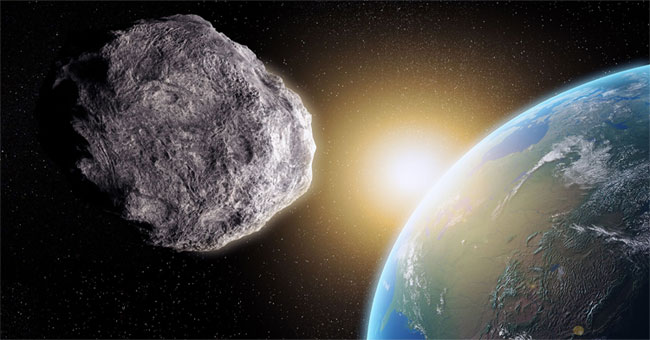
According to new data released from NASA, from now until 9 January 2019, there will be 9 asteroids
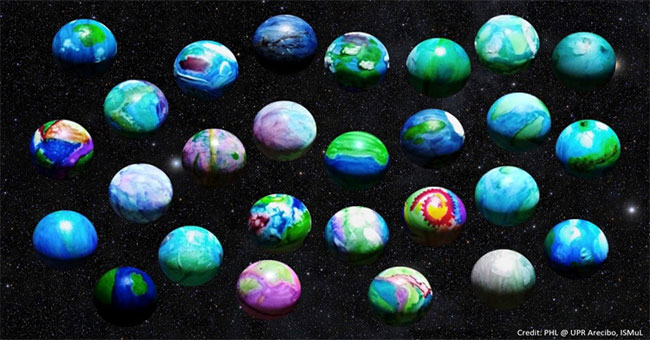
Accordingly, NASA's Hubble telescope has the opportunity to observe space, suddenly discovering a strange astronomical system.
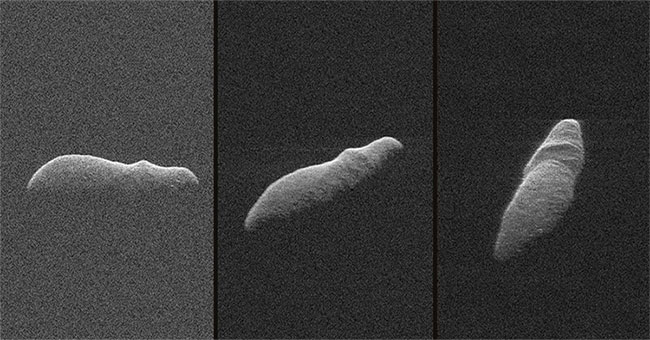
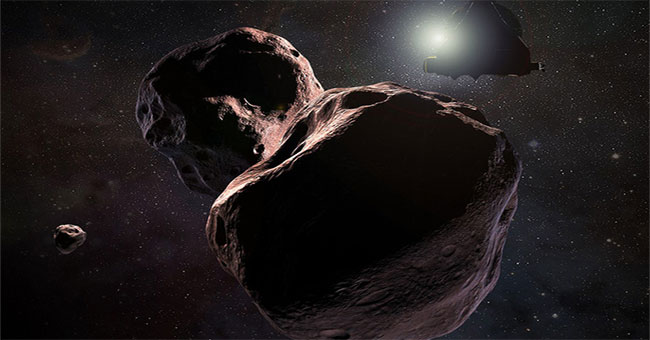
The asteroid picked up NASA in accordance with the nickname they called it - Ultima Thule,
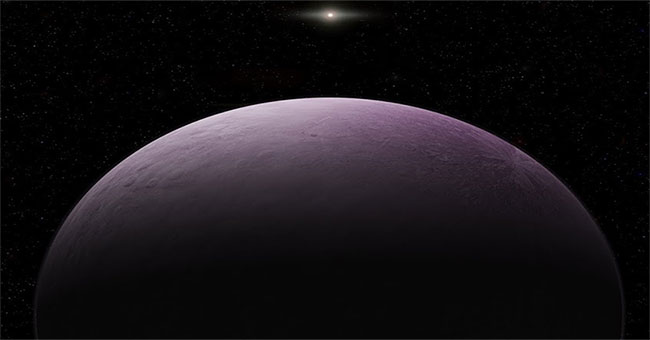
Astronomers announced the discovery of the farthest object in the solar system thanks to a telescope located in Mauna Kea, Hawaii, on December 17, according to Mashable.
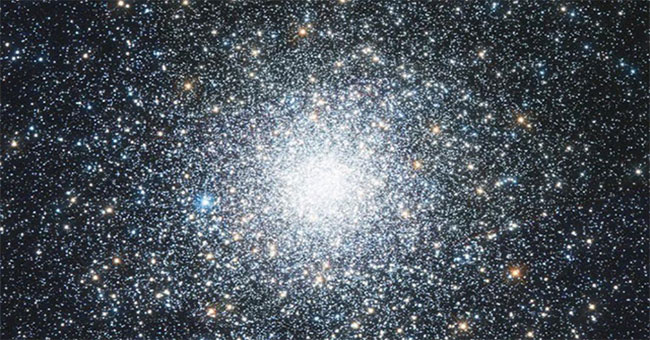
The first stars in the universe have long since disappeared, but their traces can still lurk in space, buried in gas clouds like
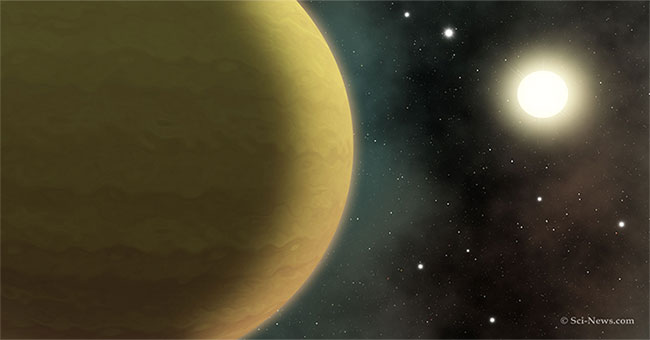
A multinational research team analyzed the mysterious planet about 646 light years away based on the initial data TESS obtained.
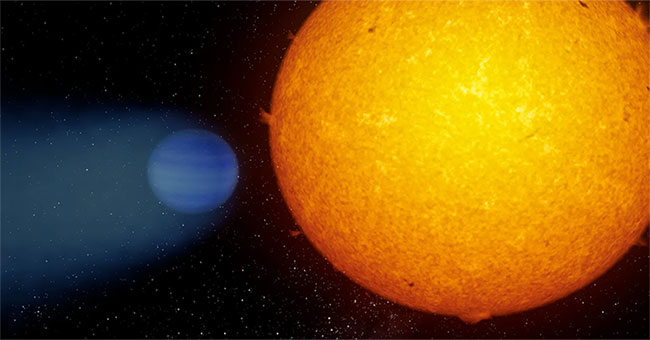
Researchers use the CARMENES device on a telescope in Spain's Calar Alto Observatory to determine a total of five helium-bearing exoplanets.