Space science
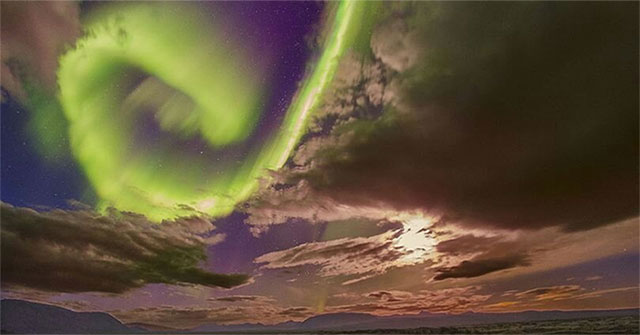
NASA warns the aurora 'beauty and monsters' can destroy the Earth
Scientists warn that one day the solar storm could collapse the Earth's communications network.
Explore astronomy, NASA missions, planets, galaxies, the Moon, the Solar System and discoveries that expand our understanding of the universe.
8,698 published items in this category and its subcategories.
Scientists warn that one day the solar storm could collapse the Earth's communications network.
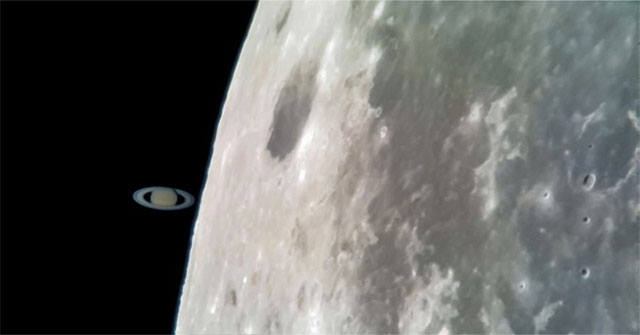
This event is known as planetary engagement, often occurring but easily missed. Fortunately, on Earth, astronomer Grant Petersen had the opportunity to capture this enga…
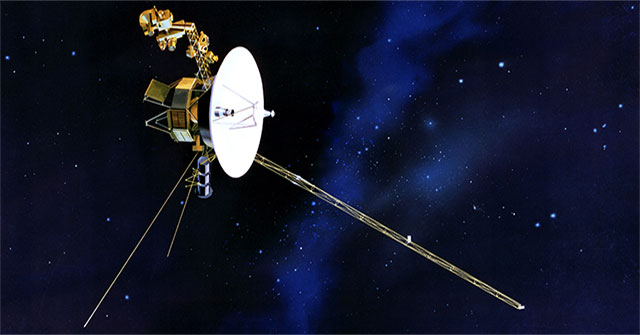
While Mercury's missions give people basic trajectories, Gemini's mission shows us the necessary techniques to get to the Moon.
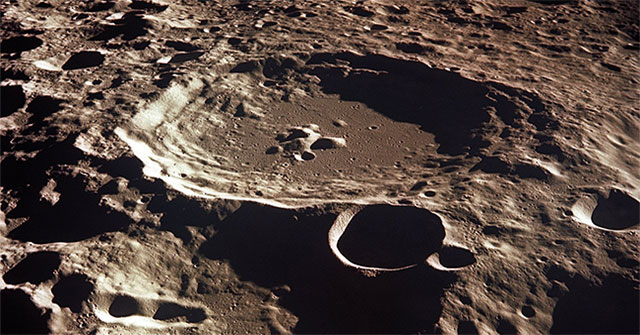
New research based on NASA data shows that our moon possesses a completely broken surface.
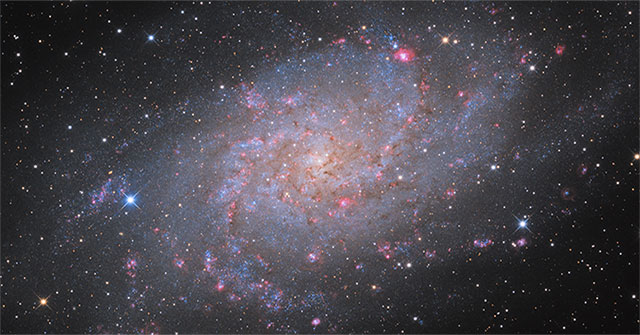
Astronomers admit that galaxies are accelerating far from each other much faster than previously thought.
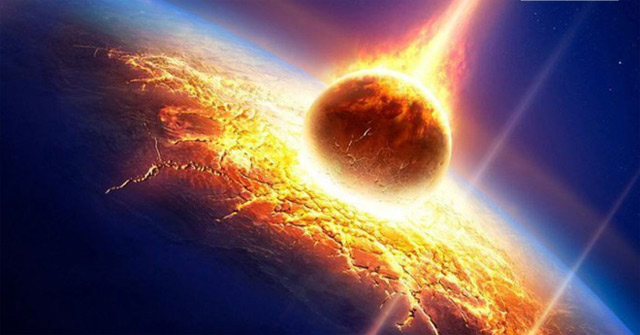
Giant meteorite attacks the Earth unexpectedly: This is the risk from the space that makes the science world
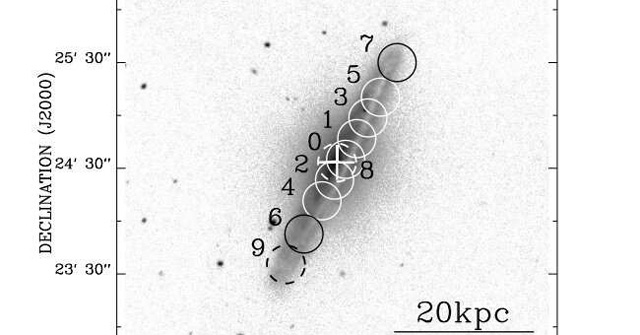
The team of astronomers used a 30m IRAM radio telescope in Spain to conduct observations of its stream of carbon monoxide and isotopes from NGC 5908 spiral galaxy.
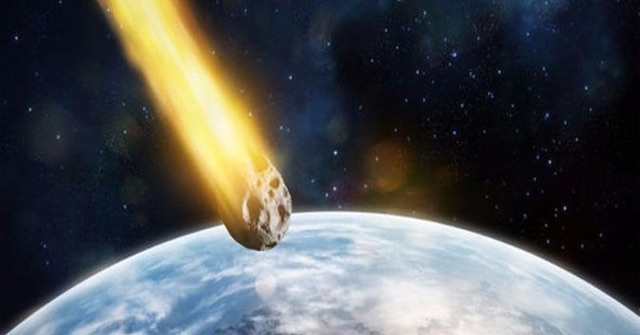
To prepare for the World Space Academy's Earth Defense Conference next week, NASA, FEMA and space research centers around the world have put together a meteorite situati…

The 8.5-cm sculpture is placed on the Moon to commemorate the astronauts who sacrificed in space exploration missions.
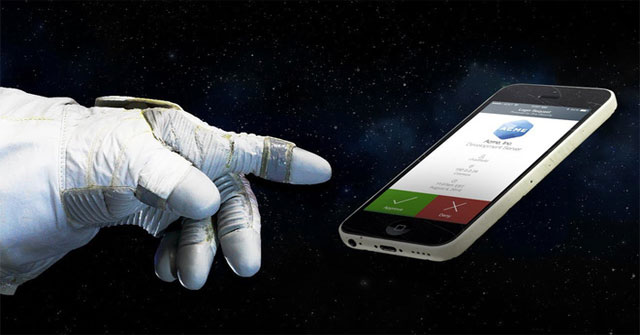
Aerospace still has many things to discover, smartphones are one of those things.
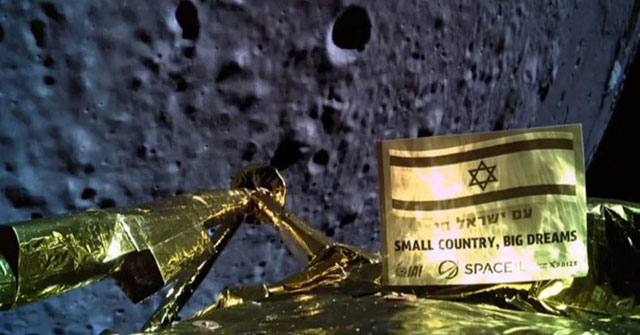
50 years since Apollo 11 spacecraft landed on the moon, only 3 countries did the same thing. But this no longer lasts forever.
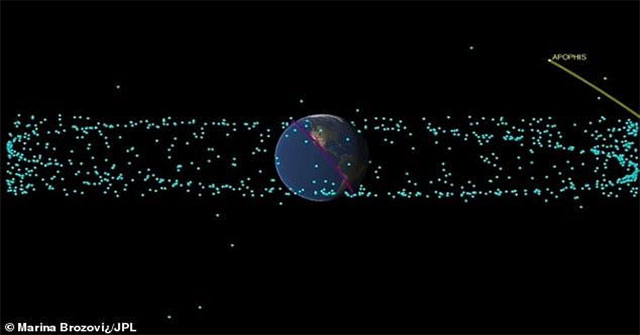
According to the latest data from the US Space and Aeronautics Agency (NASA), the Earth will meet a 335-meter asteroid in 2029, an event that excited the scientific comm…
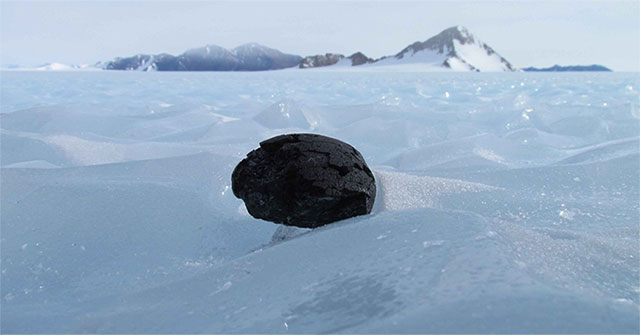
By using a variety of microscopes, scientists say it is made up of a combination of graphite and silicate.
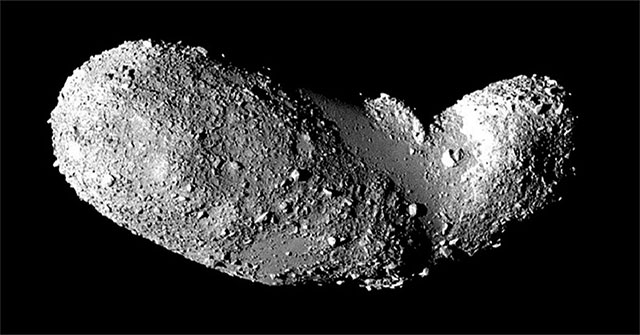
Evidence of water is found on dust particles from Itokawa asteroid 25143 thanks to laboratory analyzes.
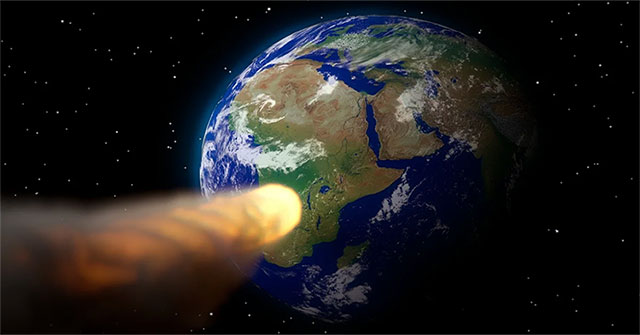
NASA's asteroid tracker at the California Jet Engine Laboratory (JPL) has revealed a spectacular escape of the earth.