Space science
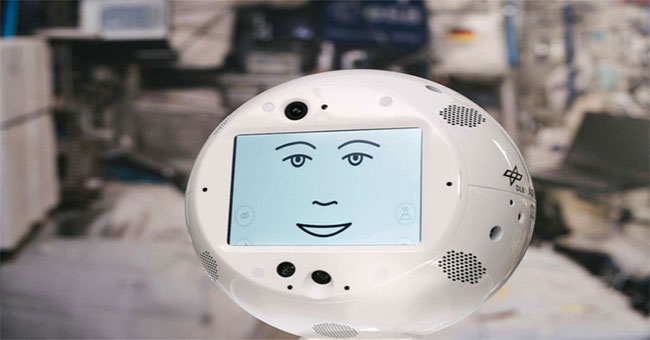
Robot up space to support astronauts
CIMON is an artificial intelligence robot and can operate in a zero gravity environment.
Explore astronomy, NASA missions, planets, galaxies, the Moon, the Solar System and discoveries that expand our understanding of the universe.
8,698 published items in this category and its subcategories.
CIMON is an artificial intelligence robot and can operate in a zero gravity environment.
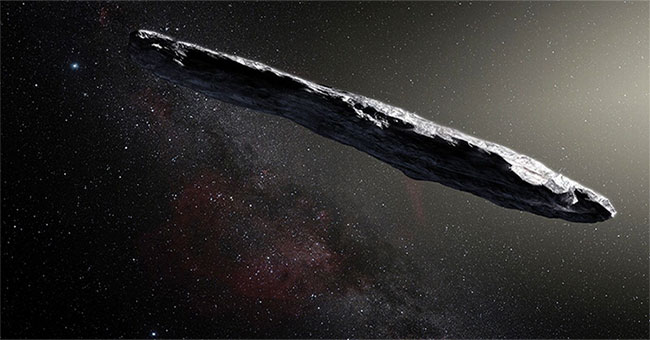
According to a new study published Wednesday in the journal Nature, it turns out that the interstellar, mysterious cigarette-like object that flew over the solar system…

A Japanese 10-meter long missile had a problem immediately after leaving the launch pad and exploding.

There are many strange things in the orbit of the Sun that astronomers have not yet liked. Here are 10 unexplained natural phenomena in our Solar System.
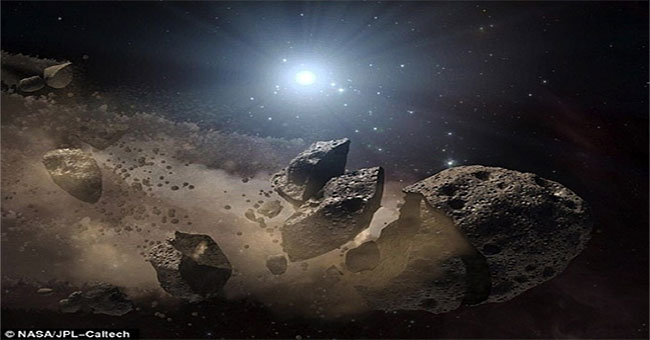
The motivation for scientists and entrepreneurs to understand meteors comes mainly from human survival instincts.
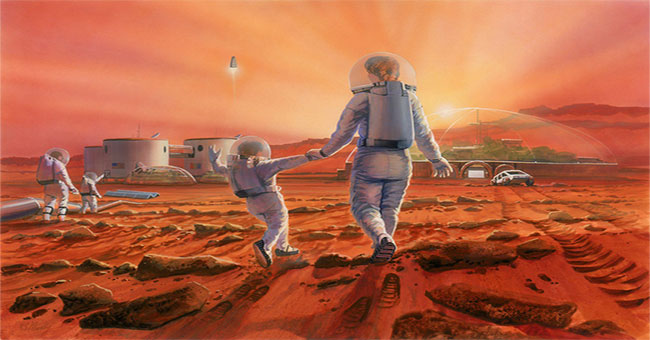
Elon Musk really wants us to get out of the Earth and explore the universe, even if no aliens are waiting to welcome humanity.
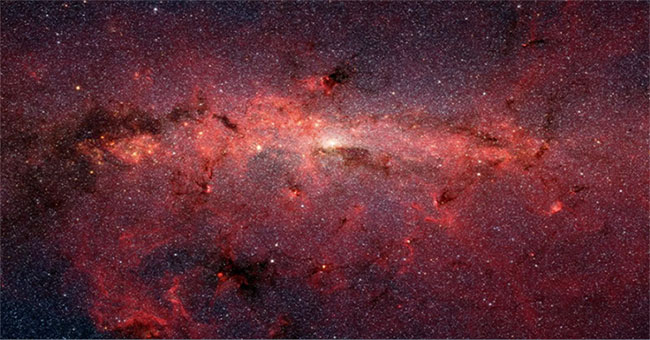
Coiled between the dust, soot and electromagnetic radiation of stars in the Milky Way is a toxic oil and grease mess.
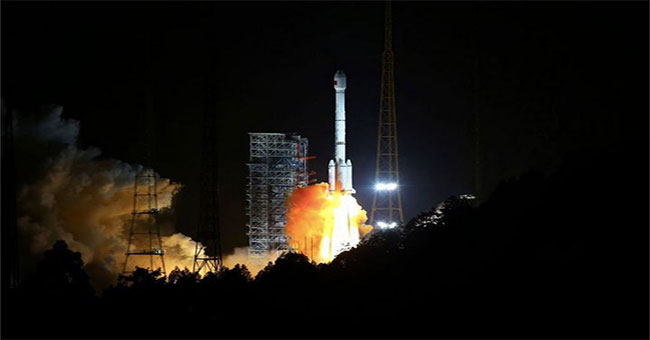
A Chinese rocket recently unfortunately fell near the populated town of Niuchang after leaving the launch pad not long ago.
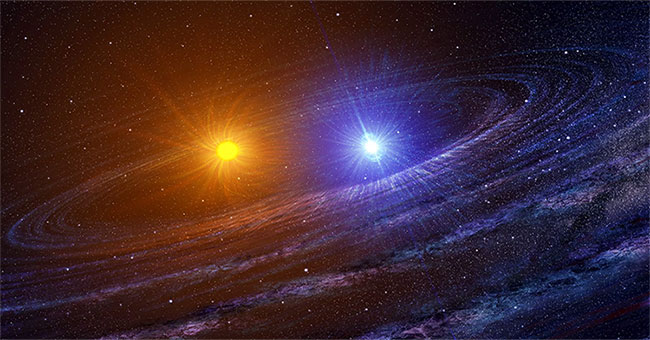
In the 1980s, physicist Richard Muller at the University of California, Berkeley presented the idea of a twin star with our Sun.

Before the history of the event that Americans first set foot on the Moon in 1969, NASA experienced tons of cruel aviation tragedy!
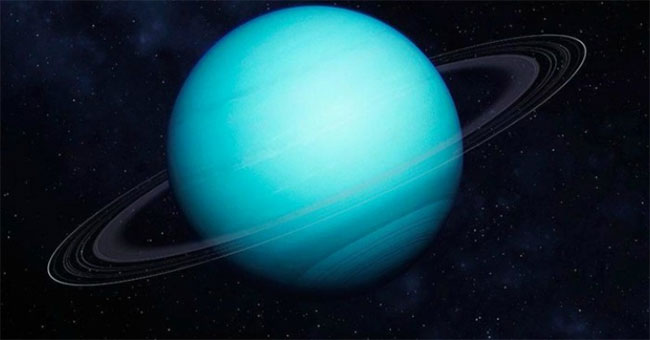
All planets in the solar system are inclined to the same side, except for Uranus. The north-south axis of the blue-green planet is 98 degrees above the Sun's orbit.
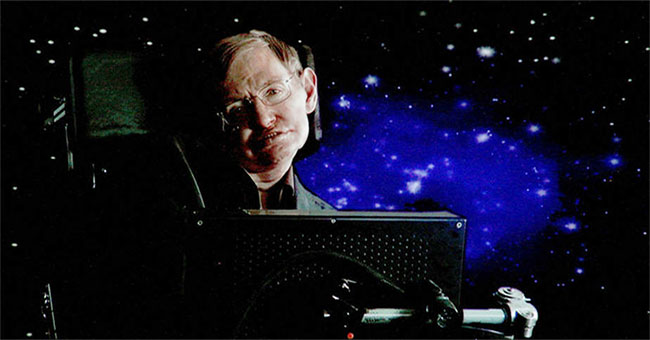
Professor Hawking died in March last year at his home in Cambridge, England after years of struggling with muscular atrophy, aged 76 years.
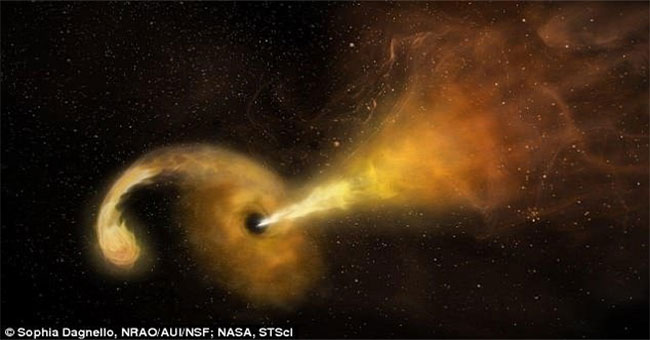
The cosmic black hole - for those who don't know - is a spaceless space with enormous mass, but compressed into a very narrow space.
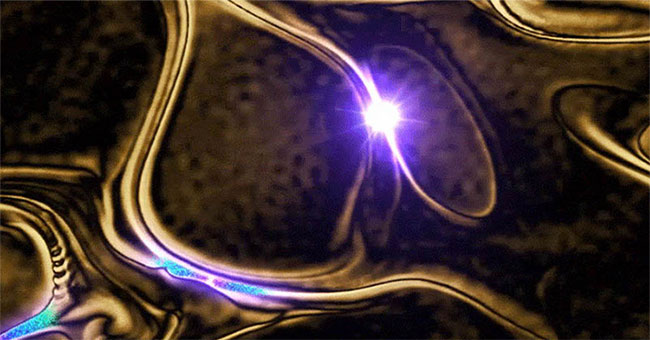
NASA's Multospale spacecraft (MMS) detects unusual magnetic activity in the atmosphere near the Earth.
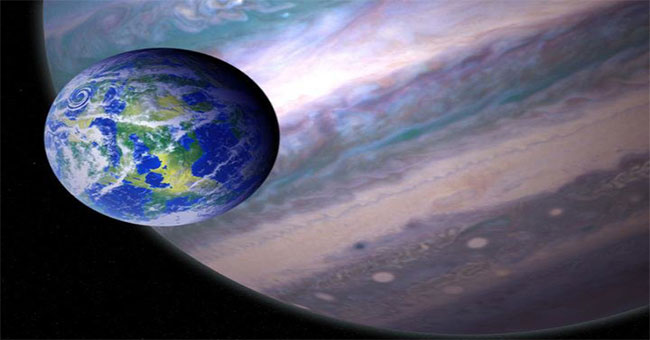
Kane's group has identified 121 giant planets whose orbits are within the habitable zone of their stars.