Space science
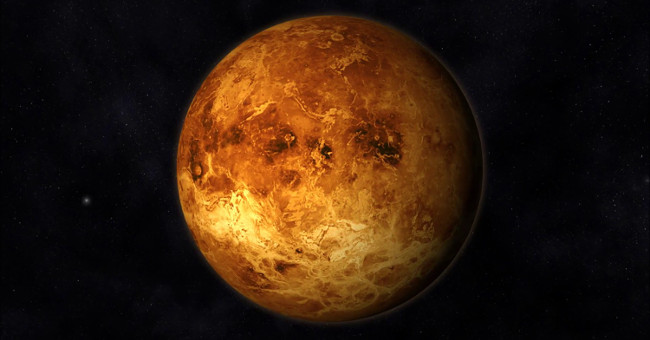
Plan to conquer human Venus
Venus has a very harsh environment but the space 50km above the ground can be suitable for people to live.
Explore astronomy, NASA missions, planets, galaxies, the Moon, the Solar System and discoveries that expand our understanding of the universe.
8,698 published items in this category and its subcategories.
Venus has a very harsh environment but the space 50km above the ground can be suitable for people to live.

In the coming years, many heavy industries will be moved to other planets like the Moon and even asteroids.
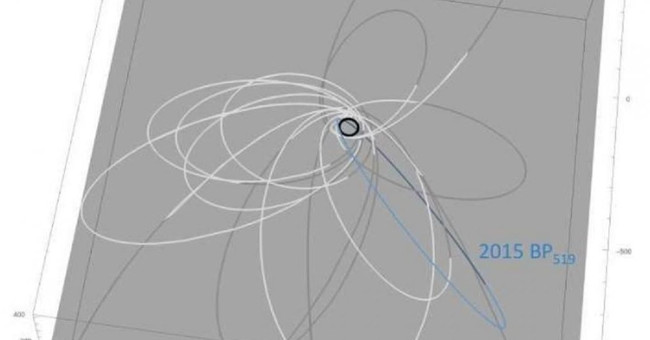
In the new study, the researchers suggest that the behavior of the Trans-Neptunian astronomical object may be due to the gravity of the ninth planet.
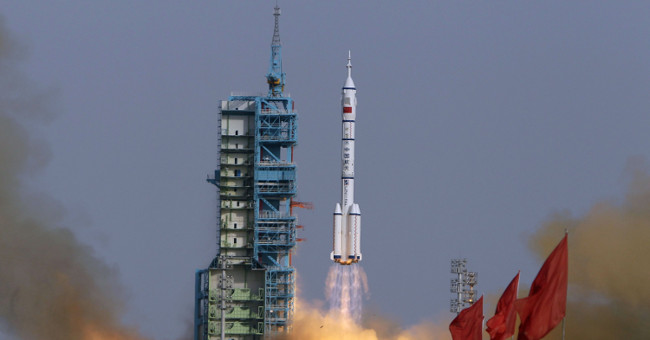
China announced a plan to bring the new space station into orbit in the next few years, Newsweek said on May 31.
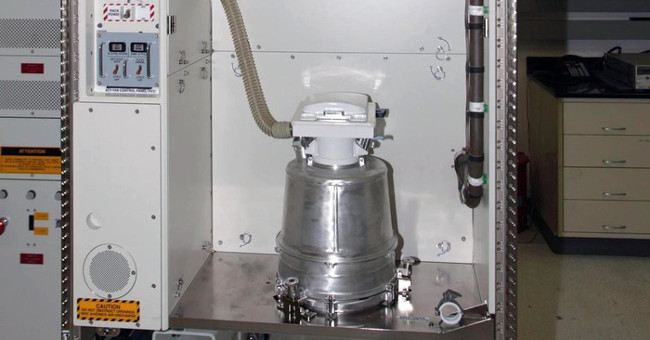
Recently, Peggy Whitson shared with Business Insider the experiences of her 665 working days in the universe.
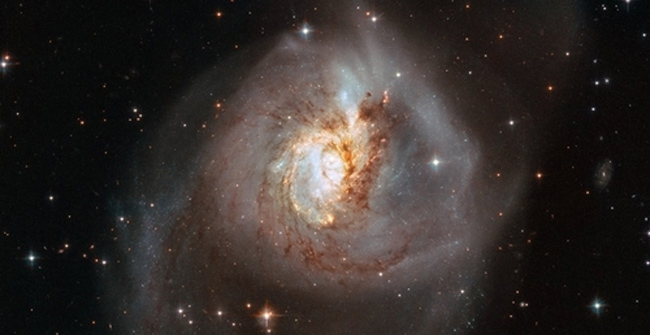
Galaxy NGC 3256 has a distorted shape due to the formation of a collision between two spiral galaxies.

Because of the high cost of transporting construction materials to Mars, Christopher Maurer conducted research and experimented with a completely new material created fr…
James Goldman, a resident of Leeds, England, uses a phone to record a strange object flying about 300 meters above the ground on May 27, the Mirror reported.
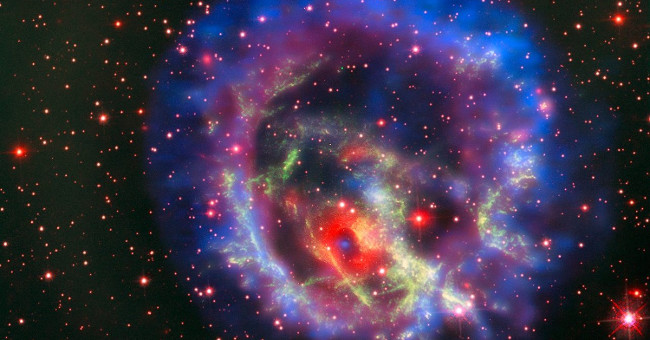
The new neutron star has been identified as a rare star, has a low magnetic field and has no companion with any star.

The collapse of supergiant stars or collisions between two white dwarfs can lead to the formation of supernovae.
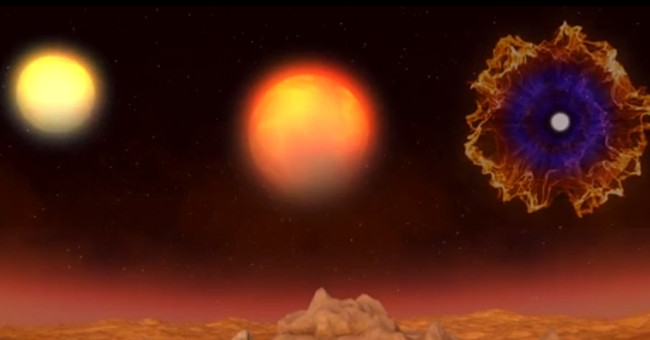
When the Sun dies, its core heats up fast enough to create observable planetary nebulae from a distance of two million light years.
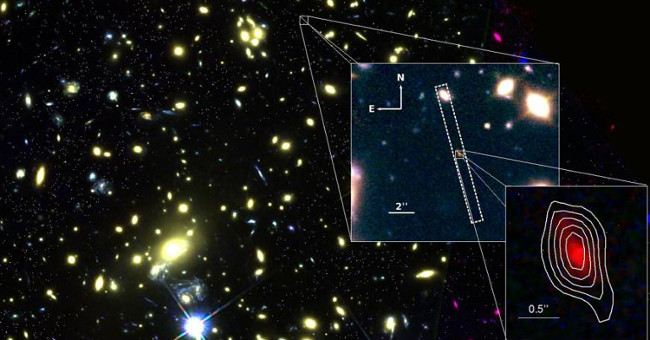
Cosmologists at University College London yesterday announced enlarged photographs and new findings about the MACS1149-JD1 galaxy, the farthest galaxy ever discovered.
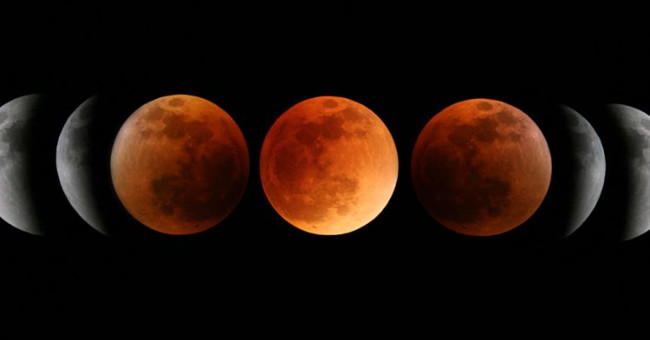
Not only is it obscured, the Moon will be red by reflecting light from the Sun, creating a spectacle, according to Newsweek.

Most meteorites are fragments of asteroids, the Moon or Mars, and are named after where they fall.

Scientists say this is not the first attempt to treat colds by focusing on human cells.