Space science
Places of China's 8.5-ton space station could fall
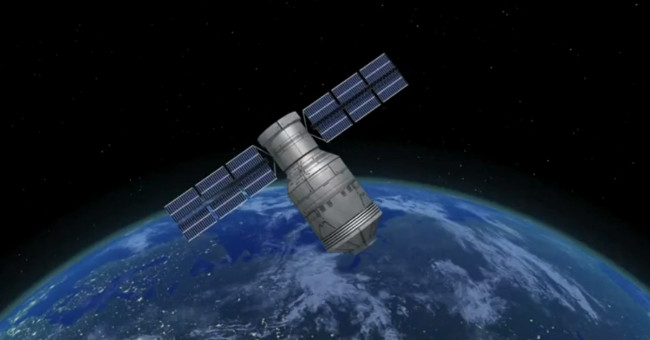
China's first experimental space station, Thien Cung 1, will fall back into the atmosphere from March 30 to April 6, according to experts.
Explore astronomy, NASA missions, planets, galaxies, the Moon, the Solar System and discoveries that expand our understanding of the universe.
8,698 published items in this category and its subcategories.
China's first experimental space station, Thien Cung 1, will fall back into the atmosphere from March 30 to April 6, according to experts.
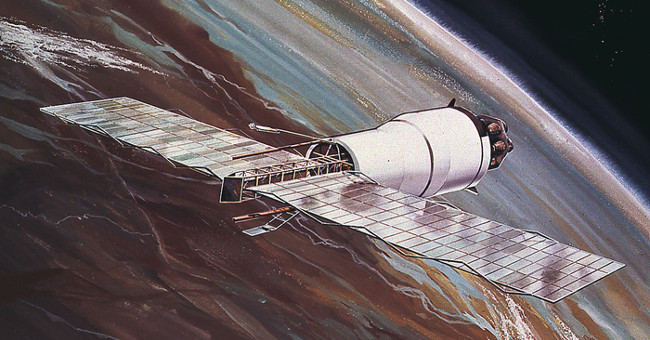
In March this year, China's Thien Cung 1 space station will fall to Earth but does not know exactly where it falls.
While gamma-ray bursts occur quite frequently and can be observed every day, this observation is almost impossible.
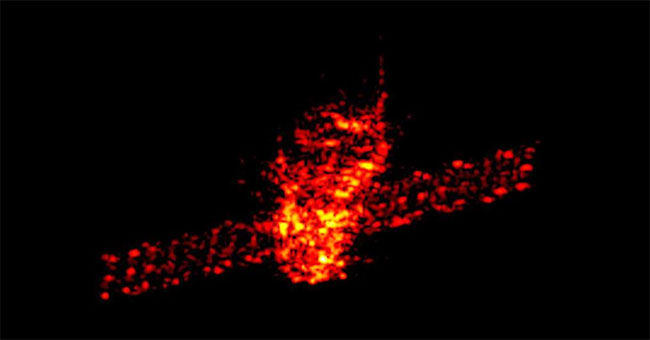
The Fraunhofer Institute of High Frequency Physics and Fraunhofer Radar Technology published two radar images of Thien Cung 1, a Chinese space station that is losing con…
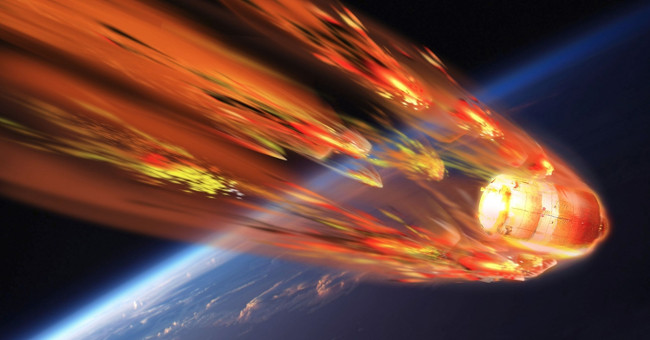
Although China's Thien Cung 1 space station will fall out of control to the Earth, the possibility of a station injuring people when landing very small, according to New…
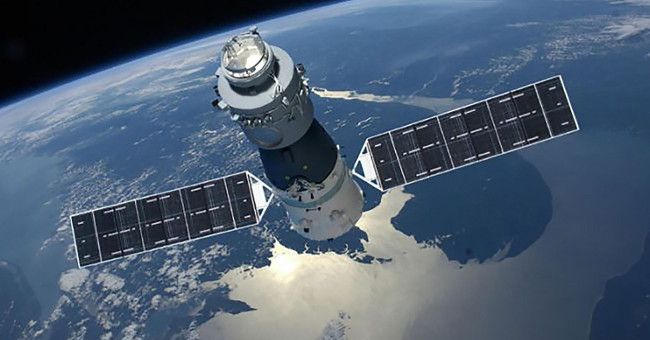
The final images of Thien Cung 1 space station will be broadcast live from 19h on March 28 (Vietnam time).
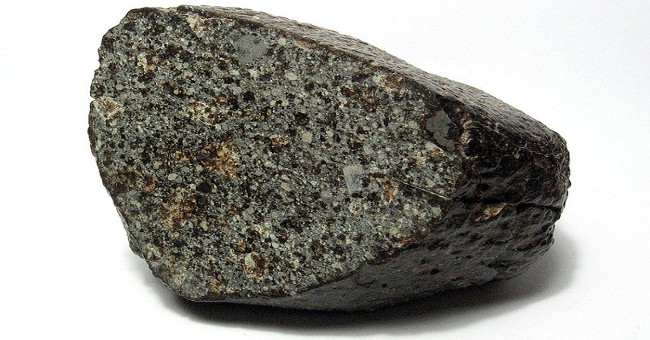
Chondrit is the most common meteorite falling to Earth with estimates of the ratio between 85.7% and 86.2% of meteorites falling to Earth.

Parallel universes may sound like a concept in sci-fi movies, and basically have nothing to do with modern physics.

The time machine may not be real, but since there is a special section in the New York Times archive file, we can refer to real newspapers that have been published decad…
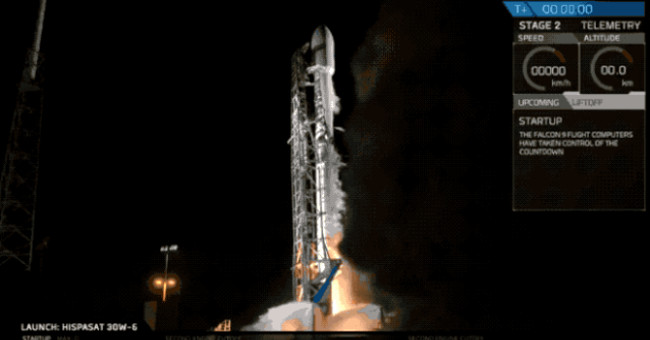
At dawn yesterday (March 6, 2018), SpaceX made a new milestone when the 50th launch of Falcon 9 was successfully launched.
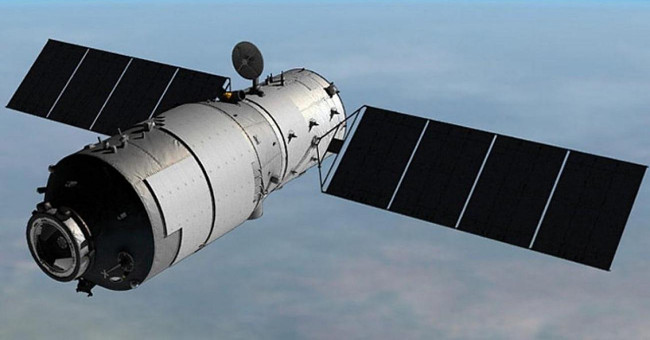
Thien Cung 1, China's first space station is expected to fall to Earth within a few weeks.

Billions of dollars have evaporated in the mission of providing Internet services to Earth's low orbit area.
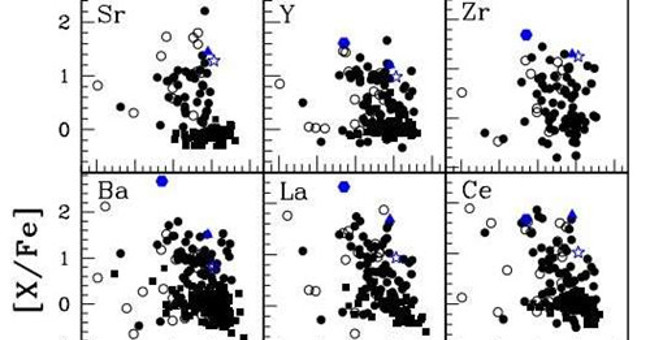
The researchers conducted an analysis of the chemical abundance of the three singular stars, HD 51959, HD 88035 and HD 121447.
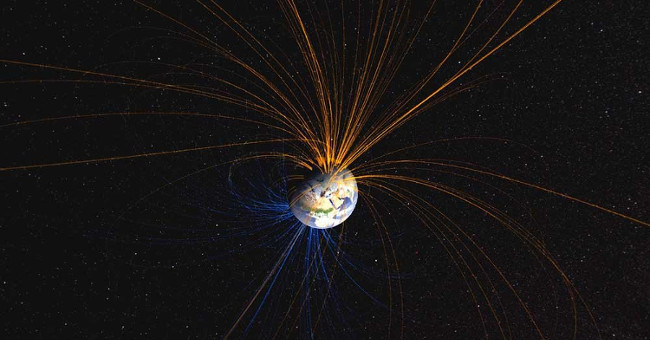
The Earth's magnetic field is weakening at such a fast speed that scientists think the magnetic poles will reverse.
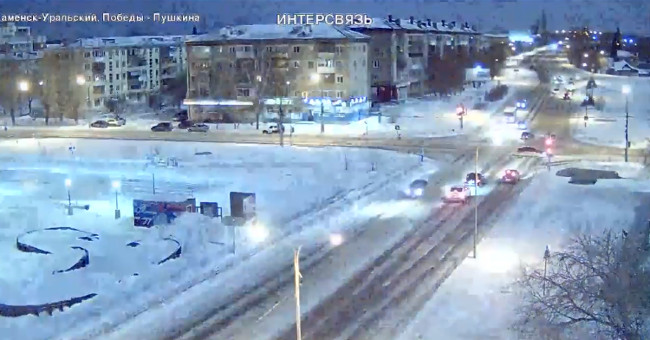
Many residents in the Urals mountains, Russia, reported seeing a blazing fireball lighting up the night sky before making a loud bang.