Space science
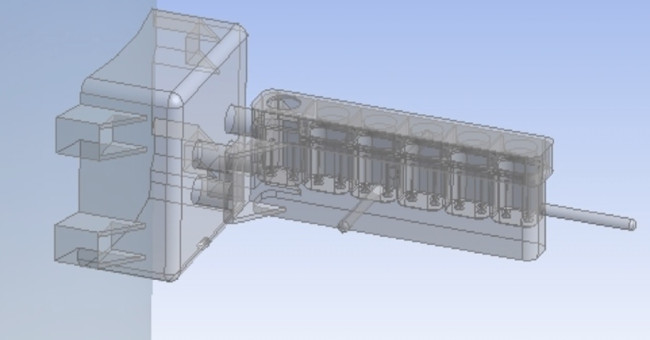
Project to build a water collection farm on Mars
Future astronauts on Mars may not have to worry about the broth on Red planet, because a water collector is expected to be deployed on the surface of Mars in 2018.
Explore astronomy, NASA missions, planets, galaxies, the Moon, the Solar System and discoveries that expand our understanding of the universe.
8,698 published items in this category and its subcategories.
Future astronauts on Mars may not have to worry about the broth on Red planet, because a water collector is expected to be deployed on the surface of Mars in 2018.
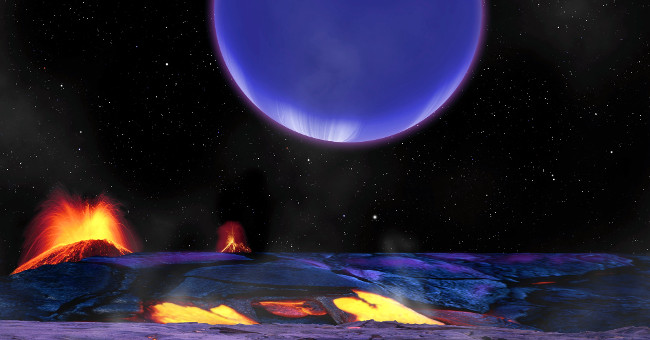
British scientists investigated the possibility of two neighboring planets outside the solar system exchanging life for each other.
On November 15, the Uruguayan National University (Udelar) said a meteorite had pierced the ceiling of a house in Maldonado Province, in the southeastern part of the cou…
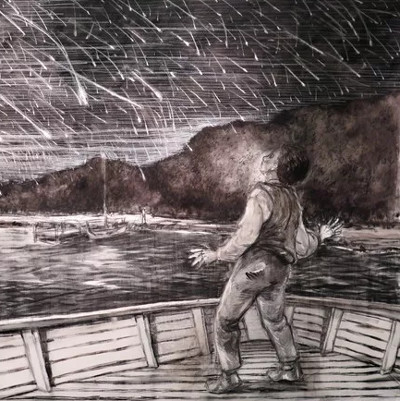
If the weather is good, Leonids this year will be a phenomenon worth watching this winter because it is one of the most beautiful meteor shower of the year.
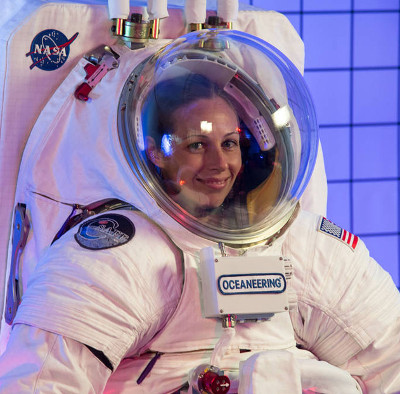
In early October, NASA introduced the design of two PXS and Z2 suits for astronauts on their journey to Mars and now they officially launch two experimental prototypes o…
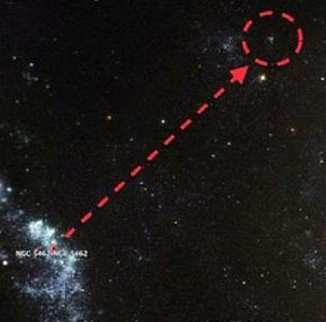
UFO hunters are buzzing with speculation about the appearance of one

The first five-colored daisies will bloom on the International Space Station (ISS) in two months.
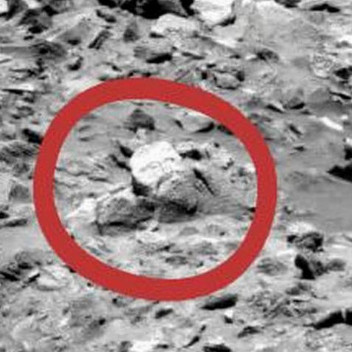
Again, imaginative people believe that they have seen signs of life on Mars. This time, it was a rock like a man with a beard that was impressive.
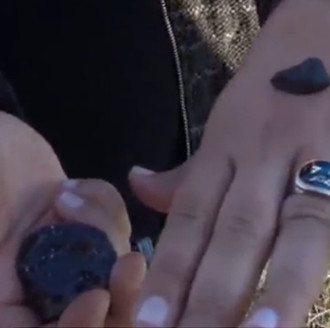
Residents in the eastern village of Turkey earned more than $ 350,000 from the sale of meteorite debris to the area in September.
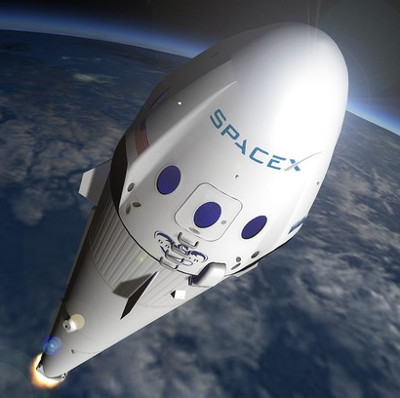
The Pentagon and SpaceX agreed to launch the satellite in 2018.
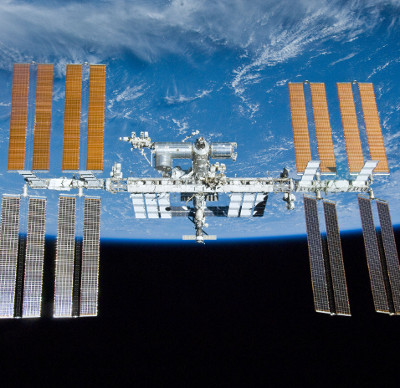
Everything is still being maintained normally in the laboratory and the astronauts are safe.
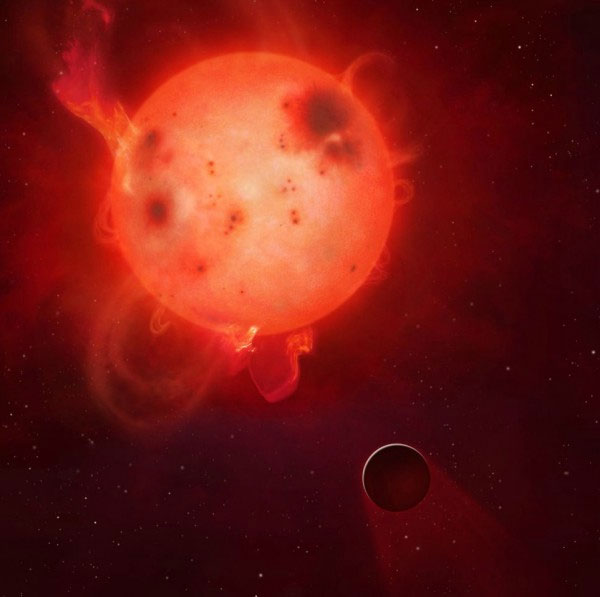
Radiation from a nearby dwarf has made the planet unable to live.
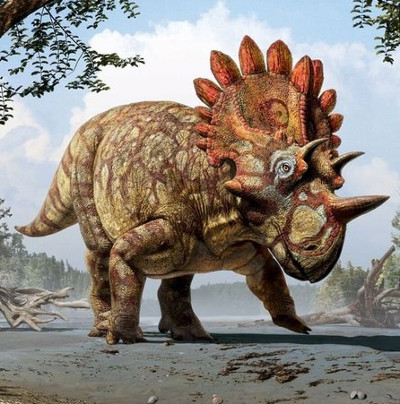
There are many different theories about the extinction of dinosaurs from tens of millions of years ago. And recently, Lisa Randall, a theoretical physicist from Harvard…
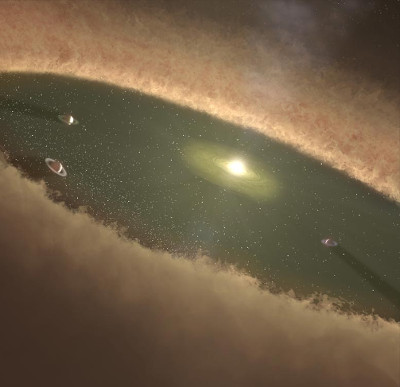
American scientists first observed the whole process
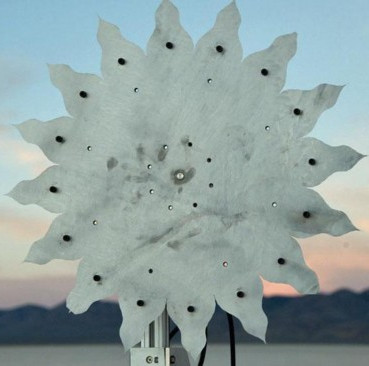
NASA's Starshade project can detect signs of extraterrestrial life hidden by light from stars, thanks to anti-glare devices for telescopes.