Space science
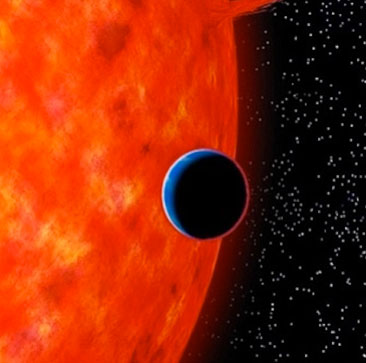
Neptune has a blue sky like Earth
A group of American researchers discovered the sky of an extrasolar planet from light 100 years from Earth.
Explore astronomy, NASA missions, planets, galaxies, the Moon, the Solar System and discoveries that expand our understanding of the universe.
8,681 published items in this category and its subcategories.
A group of American researchers discovered the sky of an extrasolar planet from light 100 years from Earth.
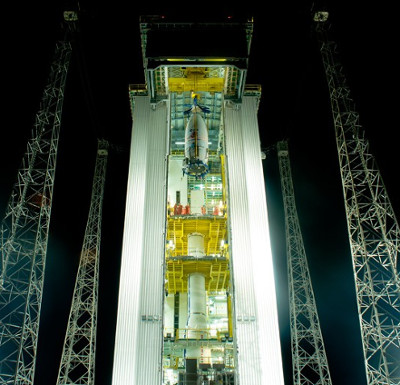
Known in the upcoming LISA mission, scientists will first use the technologies they developed before to observe gravitational waves.
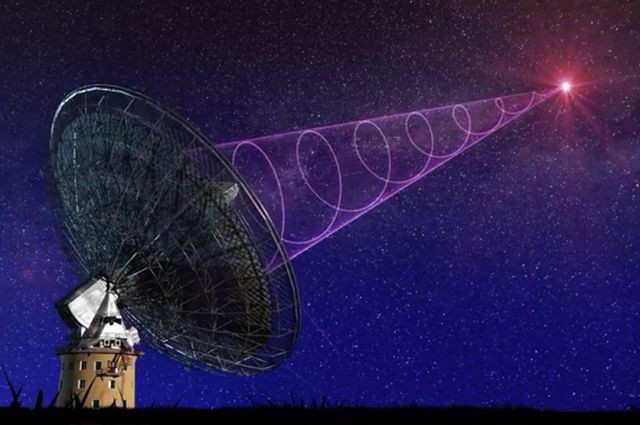
Astronomers have obtained 5 mysterious signals from deep in space, outside our Milky Way galaxy.
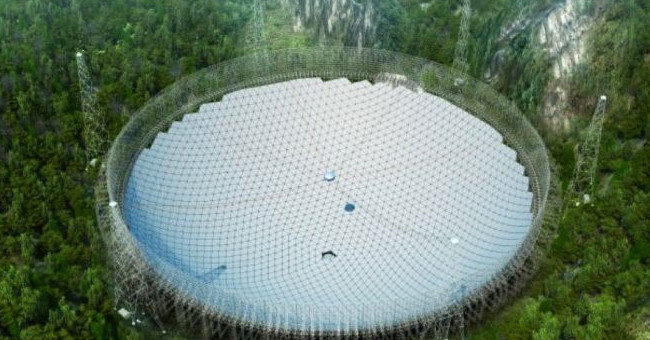
The building, which is as big as 30 football fields, will allow scientists to collect signals tens of billions of light years from Earth when inaugurated in 2016.
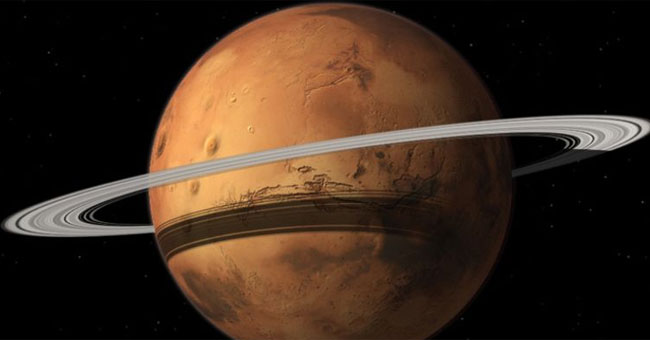
After the death of the only moon Phobos, Mars could become the second Saturn version with a debris belt surrounded.
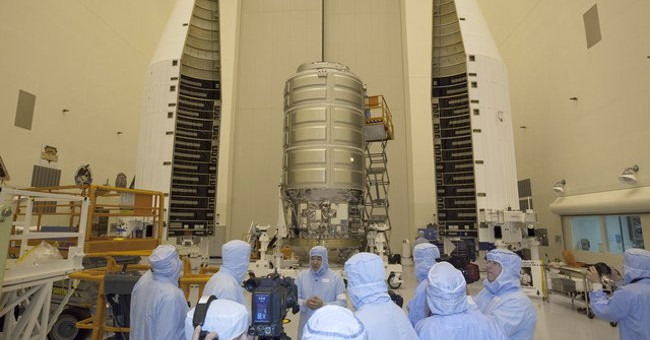
After more than a year of troubleshooting, today, Cygnus's next flight will be restarted by NASA and their partner Orbital ATK.
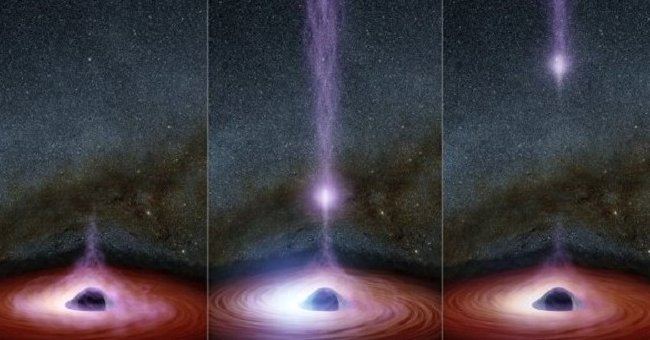
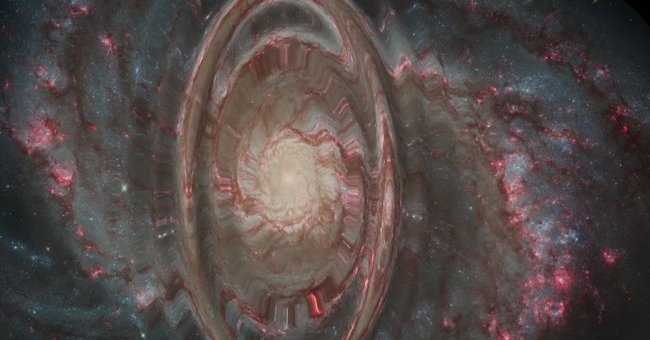
A huge experiment in Pisa, Italy, is being conducted to find the existence of gravitational waves in the theory of relativity proposed by the scientist Albert Einstein.
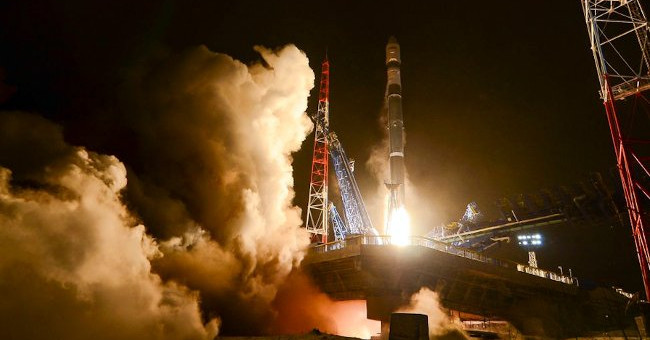
One of the two Russian defense satellites launched on December 5 is not separate from the rocket and is considered missing.
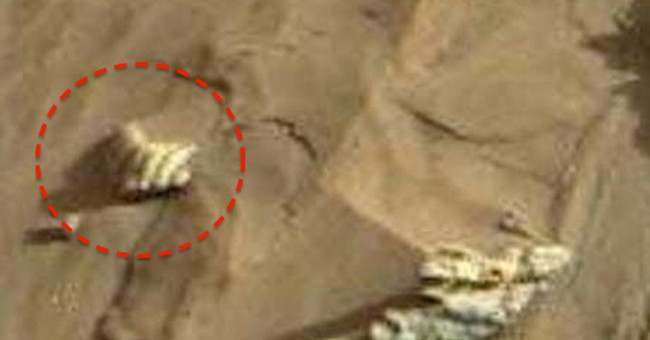
In the image recently obtained from Mars, many people believe that they see the image of a clam shell, and this may be a sign of life.
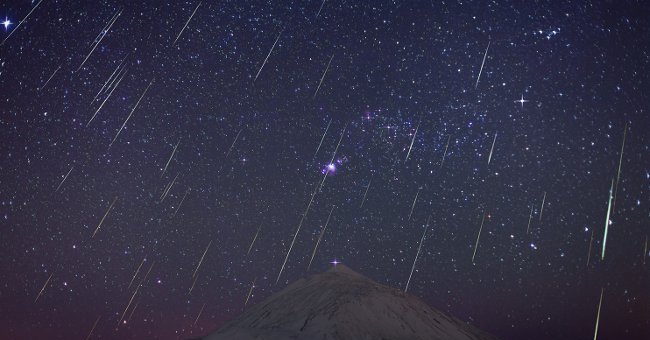
On the night of the 15th and the morning of December 16, Vietnamese people will have the opportunity to observe the Geminids - the biggest meteor shower of the year with…
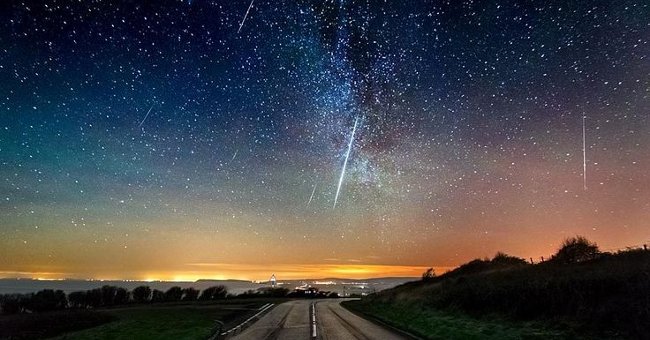
It rained, cloudy hindered the observation of the largest meteor shower in the North, while the South could be better.
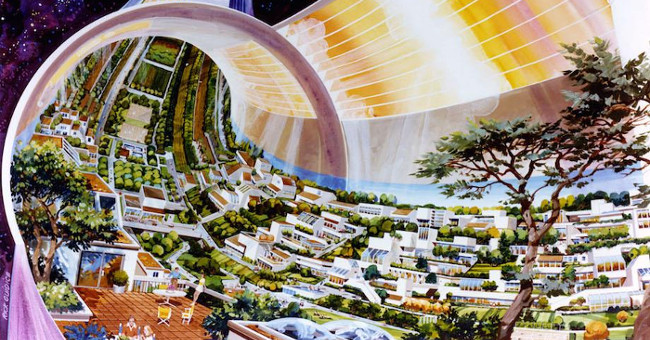
If one day the Earth disappears, how would you want to live in a place? Do you want to live on beautiful ships like this?

Future astronauts on Mars may not have to worry about the broth on Red planet, because a water collector is expected to be deployed on the surface of Mars in 2018.
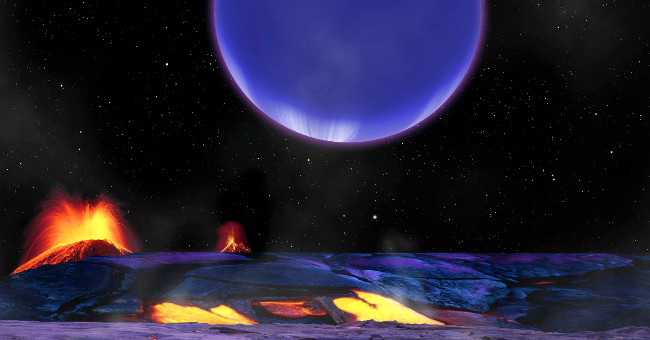
British scientists investigated the possibility of two neighboring planets outside the solar system exchanging life for each other.