
Space science
NASA finds clues that cause rocket explosions
Experts from both private companies and US government agencies are investigating the cause of the Antares missile explosion, which can last from 6 months to a year.
Explore astronomy, NASA missions, planets, galaxies, the Moon, the Solar System and discoveries that expand our understanding of the universe.
8,698 published items in this category and its subcategories.
Experts from both private companies and US government agencies are investigating the cause of the Antares missile explosion, which can last from 6 months to a year.
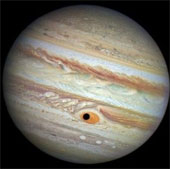
The Hubble Telescope shows the image of Jupiter looking towards our earth with one
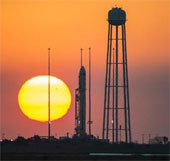
Russia said it was ready to transport cargo to the International Space Station (ISS), after the US Antares rocket suddenly exploded in midair yesterday.
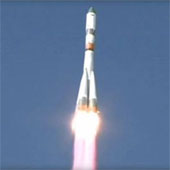
On October 29, the Russian Aerospace Agency (Roscosmos) successfully launched the new Soyuz-2.1a rocket carrying the supply ship Progress M-25M into orbit.
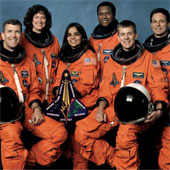
The Antares missile explosion is not the first defeat in the operation of the US Aviation Space Agency.
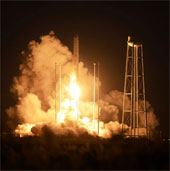
Representative of the US Aeronautics and Space Administration (NASA) yesterday confirmed that Orbital Group has pressed the button to cancel the missile Antares because…
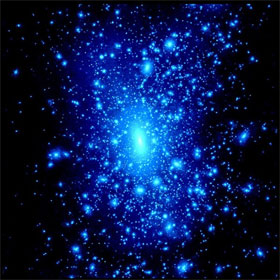
The latest research by British and Italian scientists demonstrates that our Milky Way is at risk of disappearing due to the effects of dark energy.
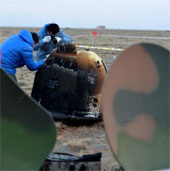
On the morning of November 1, the Chinese moon probe safely returned to Earth, making it the third country to successfully bring the probe to the Moon.
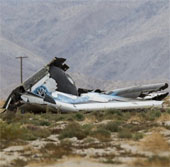
The investigation of the cause of SpaceShipTwo is in progress and is expected to be completed in about a year.
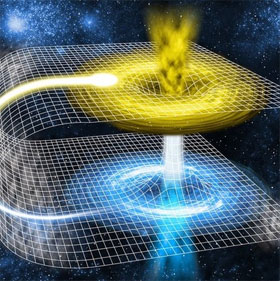
Does the deep hole of the universe exist and become a door that opens up the possibility of traveling through space for humanity?
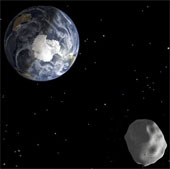
Russia's telescope has discovered a giant meteorite that can plunge into the Earth in the future.
The new expedition's flight to the International Space Station was scheduled for November 24 from Baikonur space airport.
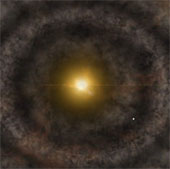
Thanks to the Alma radio telescope, scientists have for the first time captured the clearest picture of the formation of planets around a young star.
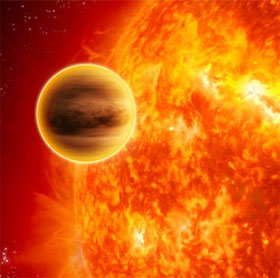
On a planet hundreds of light years from Earth, the wind blows at the same speed as sound, and the temperature is so high that it melts and water evaporates continuously.
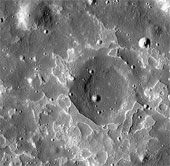
The moon is a quiet and barren satellite of the earth. But long ago, there were volcanoes on the Moon.