Space science
Russia first tested space missiles since Soviet times
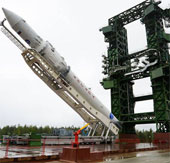
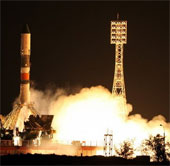
On July 9, Russia launched its first test of new space boosters since 1991, initially aiming to limit dependence on aerospace in Kazakhstan and other regions.
Explore astronomy, NASA missions, planets, galaxies, the Moon, the Solar System and discoveries that expand our understanding of the universe.
8,681 published items in this category and its subcategories.
On July 9, Russia launched its first test of new space boosters since 1991, initially aiming to limit dependence on aerospace in Kazakhstan and other regions.
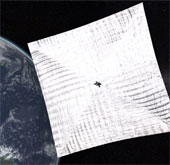
A small spacecraft designed to travel in space by solar energy is scheduled to be introduced into space from SpaceX boosters in 2016.
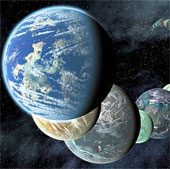
So far, nearly all the planets found outside the solar system have followed a rather strict naming convention, which leads to confusion with many complex characters.
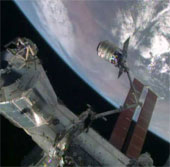
On July 16, Cygnus private transport spacecraft
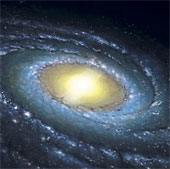
Haverford University (USA) researchers have found the most distant stars in the Milky Way, a finding that could help determine the formation of our galaxy.
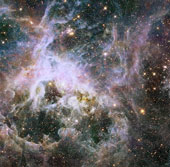
Scientists believe that a huge amount of light that should light the universe disappears mysteriously.
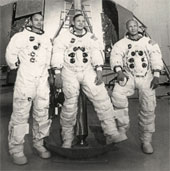
On July 20, 1969, the world witnessed the historic landing of three astronauts: Neil Armstrong, NASA's Buzz Aldrin and Michael Collins on Apollo 11, landing for the firs…
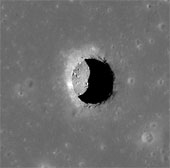
The Moon's surface is not only many craters but also many holes. According to NASA, the caves that connect these holes may be a haven for future astronauts.
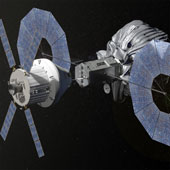
Nearly asteroids near Earth provide a unique opportunity to test new technologies necessary for the mission to send people to Mars.
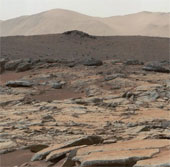
The United Arab Emirates (UAE) on July 16 said it is planning to bring a space probe to Mars by 2021.
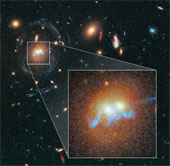
Astronomers say this impressive structure is in fact the two giant galaxies in progress.
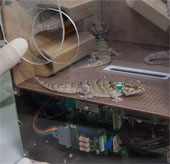
Geckos, tree seeds and some samples of materials are brought to space in a Russian biological and biological research project.
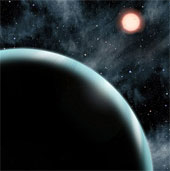
Astronomers have discovered outer planets The solar system has the longest year, up to 704 days.
Russian Flight Control Center on 24/7 announces that the M-24M Transport vessel has successfully assembled with the International Space Station (ISS) in automatic mode.