Space science
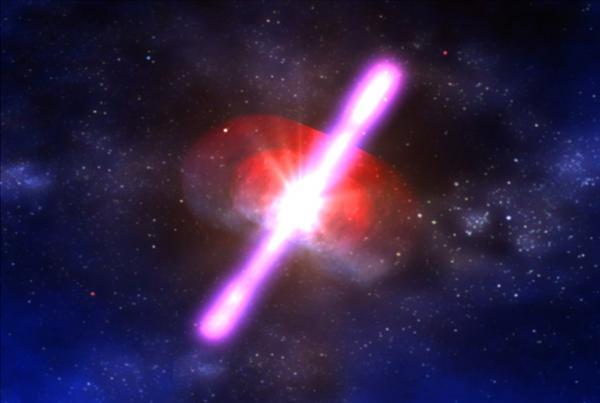
Photograph of early gamma ray burst
UK astronomers using the Swift NASA telescope have recently recorded information about the early stages of a gamma-ray burst.
Explore astronomy, NASA missions, planets, galaxies, the Moon, the Solar System and discoveries that expand our understanding of the universe.
8,698 published items in this category and its subcategories.
UK astronomers using the Swift NASA telescope have recently recorded information about the early stages of a gamma-ray burst.

US astronomers have discovered the existence of two giant black holes moving like dancing around each other, in a distant galaxy.

US scientists worry that an imminent storm could disable the entire electrical system, telephone network, even the earth's water supply system.
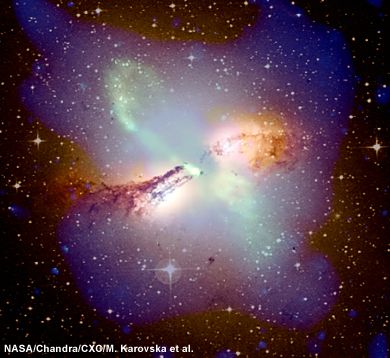
The cosmic black hole had to endure bad reputation. Newspapers accuse them of gravity monsters, astronomers have labeled them nicknames who like to hide themselves, and…
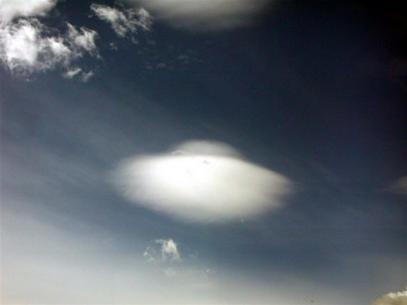
Desire to communicate with life on other planets longer than the fondness of UFOs and hope for SETI.
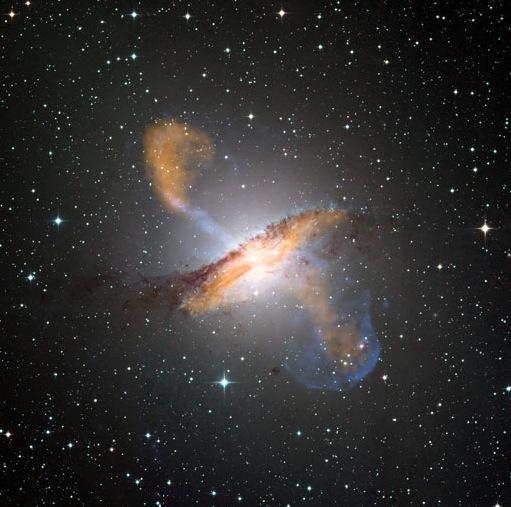
Scientists take a new look at the Centaurus A galaxy (NGC 5128) when the rays and lobes emanating from the central black hole are recorded by wavelengths of light below…
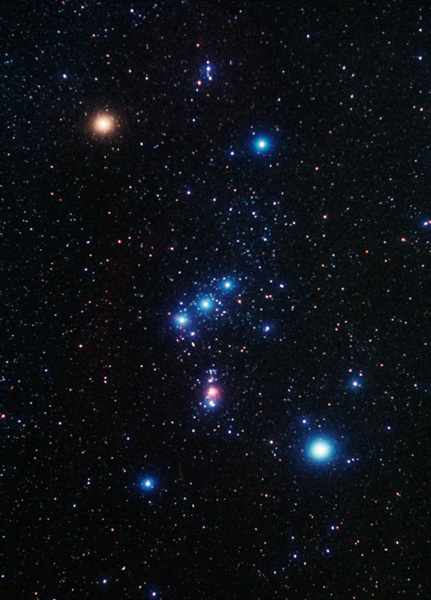
The brightest constellation that dominates the night sky this week appears in the south around 9 pm (local time).
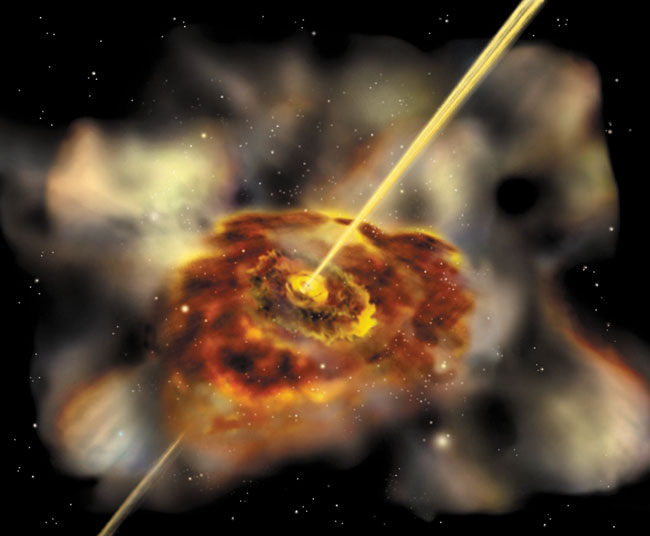
According to Martin Haehnelt of Cambridge University, simulations of the evolutionary process began to emerge in the mid-1990s when researchers found but the clue shows…
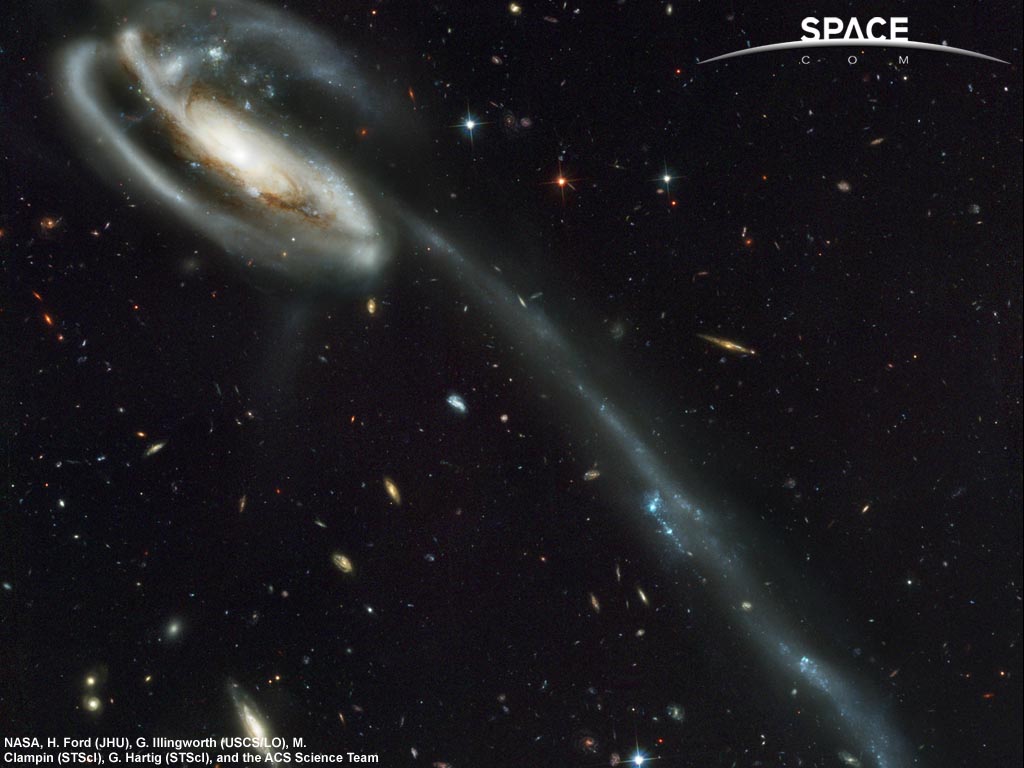
Scientists have envisioned galaxies forming along a monolithic collapse path, in which a giant gas cloud bursts from within.
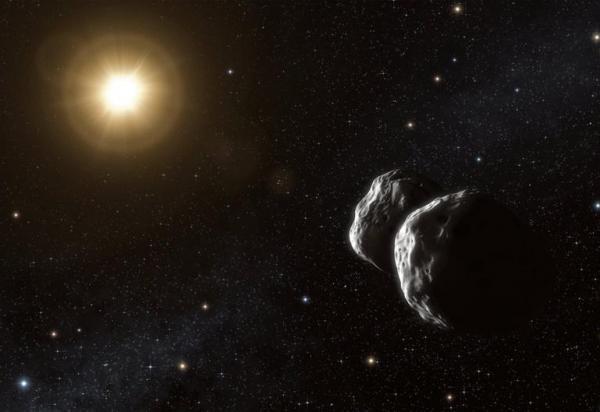
Marco Delbo from Côte d Observatory 'Azur, France, spoke about the research he directed:' Knowledge of small planets' sizes and shapes is crucial in understanding how to…
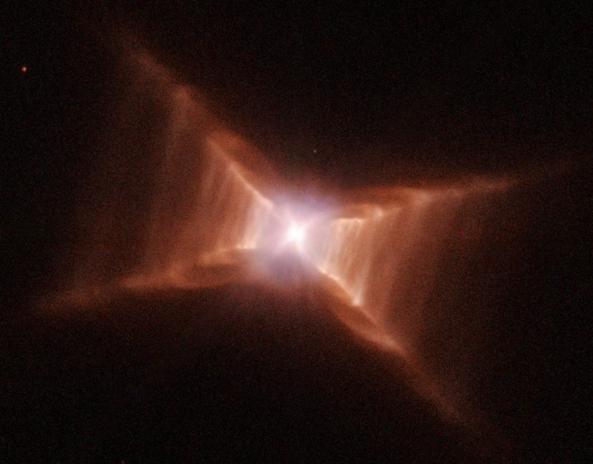
Cosmic dust annoyed astronomers because they prevented them from observing their distant stars.
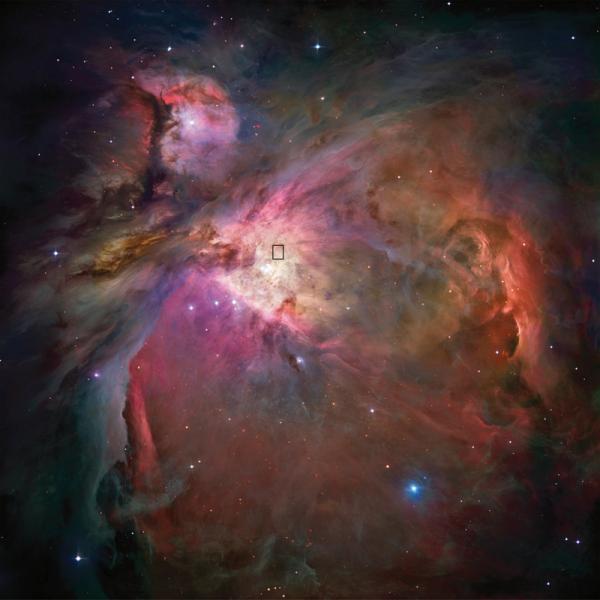
When galaxies form, their stars form everywhere at the same time or just concentrate in the tiny central region?

A private US satellite that has just hit a satellite has stopped working in Russia and this is the first collision recorded in the history of conquering space.

The world's largest particle accelerator (LHC) of the European Nuclear Research Center (CERN) will resume operations next September.
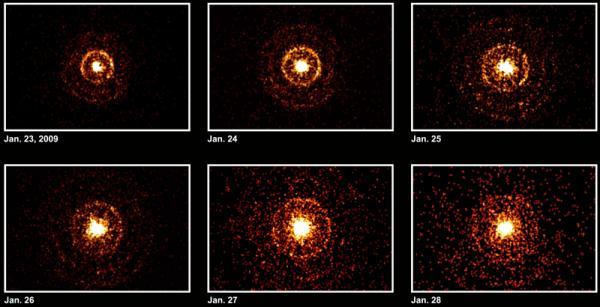
Astronomers use NASA's Swift satellite and Fermi Gamma Ray Space Telescope to observe explosions from the rest of a star 30,000 light-years away.