Archeology
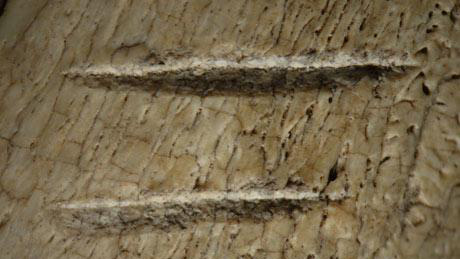
Humans know how to use the tool from 3.4 million years ago
This finding may force scientists to rewrite human evolutionary history.
Browse ScienceInfo articles and explainers related to Animal.
5,291 published items.
This finding may force scientists to rewrite human evolutionary history.

Archaeologists have discovered a fossil skeleton of an ancient primates that is believed to be the last common ancestor of humans and monkeys.

Swedish scientists have discovered that an animal carved from deer horns has an appearance similar to a human's penis ...

Paleontologists at the University of Pennsylvania have discovered a new herbivorous dinosaur based on a skeleton discovered in western New Mexico state (USA).

Scientists at the Trento Museum of Natural History, in northern Italy, said they found the footprints of animals believed to be the ancestors of dinosaurs.

Chinese archaeologists have discovered a small set of fossil dinosaur fossils preserved intact in the Inner Mongolia area of China.

US and German scientists have reported discovering fossils of an animal with a family of dinosaurs that existed 243 million years ago.

According to research by Bristol University, prehistoric people were responsible for the massacres of massive kangaroo and giant koalas.

Japanese scientists have discovered a large amount of fossil footprints of mammals and birds in the forest of Kani city, Gifu district, central China.

Until now, the scientific community has not had an exact answer on the type of food of ancient reptile animals.

Archaeologists in Germany have recently obtained evidence of a large-scale cannibalism with victims including men, women and children.
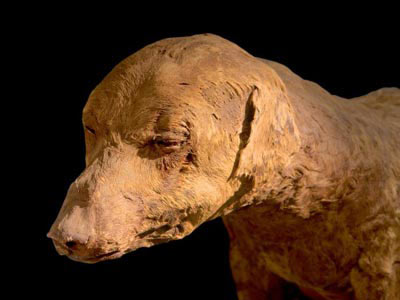
Wrapped in linen and reverently resting, animal mummies contain amazing mysteries about life and death in ancient Egypt.
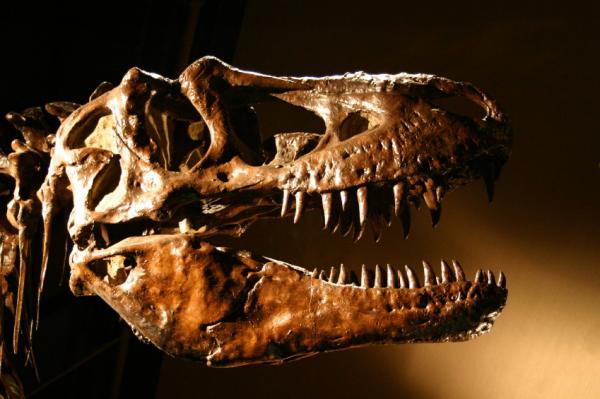
The bloody battle between two giant animals is often the result of fatal wounds for both.

A cave of prehistoric water in the Dominican Republic became
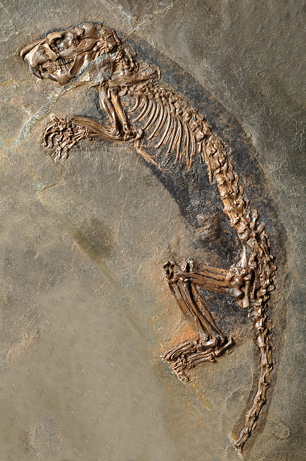
Newly discovered fossils belong to the species Masillamys - a group of rodents with incisors like a carpenter's chisel.