Environment
The first time the map covered the entire Antarctic region
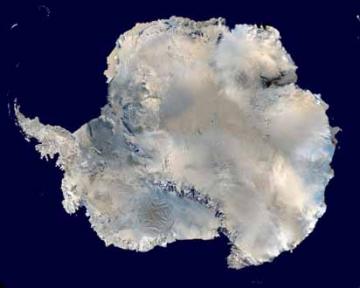
Chinese scientists became the first to successfully map the entire area of Antarctica at a scale of 1: 100,000.
Browse ScienceInfo articles and explainers related to Antarctica.
290 published items.
Chinese scientists became the first to successfully map the entire area of Antarctica at a scale of 1: 100,000.

A giant iceberg about the size of Luxembourg (Western Europe) that broke off from the eastern South Pole earlier this week may threaten marine life, scientists warn the…

International scientists have published the first data on the mysterious giant mountain range deep beneath the ice at the southernmost tip of the earth.
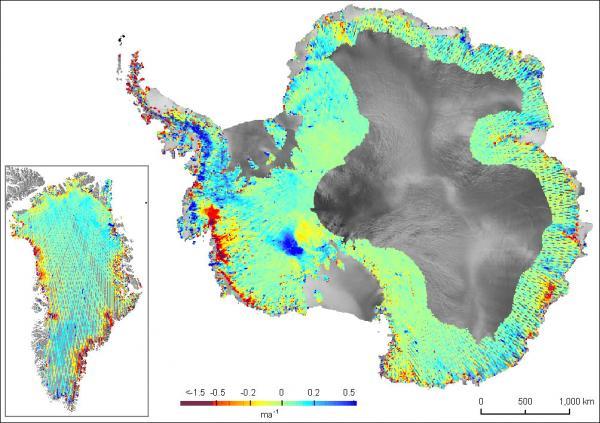
Recently, space satellites have provided scientists with the most comprehensive picture of rapidly moving glaciers along the Antarctic and Greenland coasts.
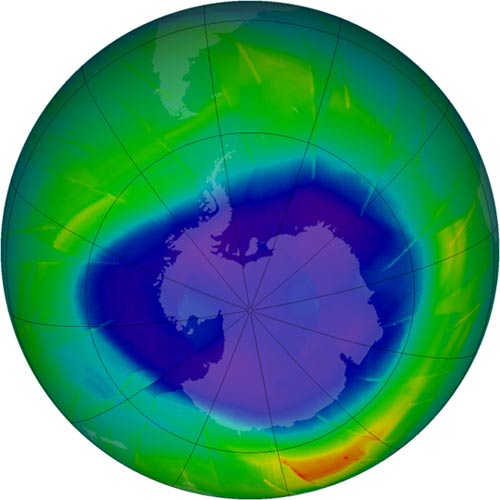
World Meteorological Organization (WWO) predicts ozone depletion in Antarctica, this year, is likely to be smaller than the loss in 2008.
Scientists say the huge glacier in Antarctica is getting thinner and thinner. Glaciers around Pine Island in the West Antarctica are twice the size of Scotland, which is…
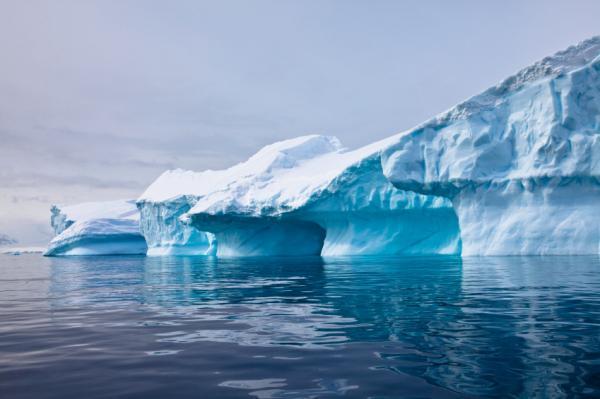
A recent study said that, while all or part of the western Antarctic ice sheet melted due to global warming, the sea level in the US coastal areas would rise by 25%. The…

An area of about 700 square kilometers in the southernmost part of the earth has crumbled into ice sheets.
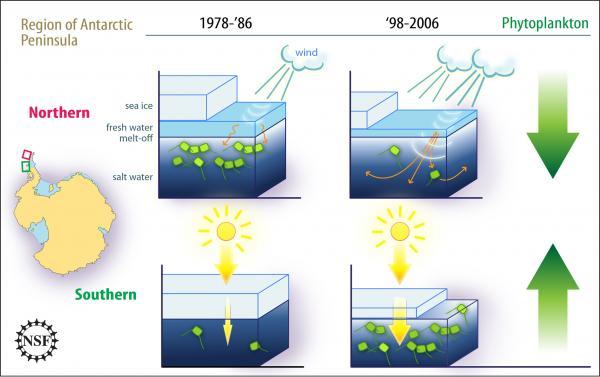
Antarctica has long been thought to be one of the fastest warming locations on Earth.
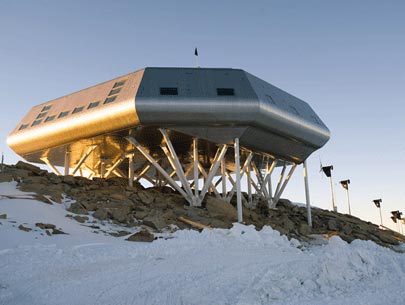
The Belgian research station in Antarctica, which has been operating since February 15, is welcomed by the scientific community because it works entirely with wind and s…

On February 17, an ice block of up to 14,000 km2 separated from Wilkins ice shelf, belonging to Antarctica.

The Gamburtsevs mountain range in Antarctica has the same height as the mighty Alps strip in Europe but is hidden under a giant ice sheet.

Many scientists believe that Antarctica is not affected by the greenhouse effect, but one study shows that the average temperature in Antarctica is rising.
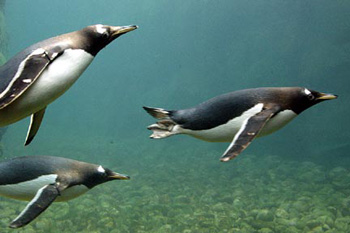
The waste of penguins has never been considered a threat to the environment. But, according to a recent study, it is the main cause of arsenic accumulation in Antarctica.
A comparison of Antarctic temperatures and snow accumulation with predictions by the computer model of the global climate has produced good news and bad news.