Environment
Arctic is about to have high speed internet
The Arctic is believed to have high-speed broadband internet, when ocean carriers, fishing and oil diverted operations to the north amid rising temperatures and melting…
Browse ScienceInfo articles and explainers related to Arctic.
779 published items.
The Arctic is believed to have high-speed broadband internet, when ocean carriers, fishing and oil diverted operations to the north amid rising temperatures and melting…
The northernmost town of Kirkenes in Norway was farther away from Asia than any other European port, but suddenly the gap between them narrowed significantly due to melt…
Scientists have long known that ice shelves are melting and that the cause of this phenomenon is due to shattered icebergs off the continental shelves.
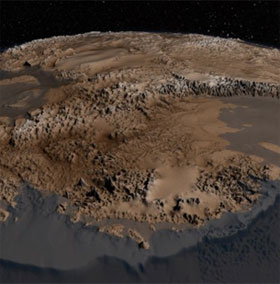
The face that has always been hidden under the ice sheet of Antarctica has been exposed to the world, thanks to the new mapping technology of the US Aeronautics and Spac…
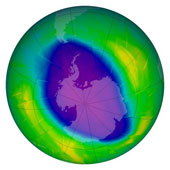
In recent months, many regions in Vietnam and the world are constantly experiencing prolonged heat and drought, making us think of the global warming of the greenhouse e…
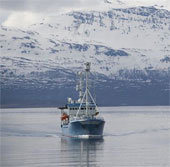
Greenhouse gas emissions are making acidification of the Arctic Ocean faster than other oceans on Earth as a result of an international study published in Canada on May…
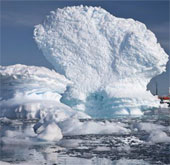
According to a study published April 15 by scientists, Antarctic ice is melting at the fastest rate in 50 years and 10 times faster than 600 years ago.
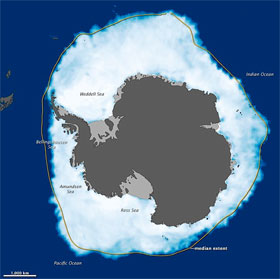
Weather experts, after trying to explain the phenomenon of expanding Antarctic ice area, found the cause - warming the Earth.
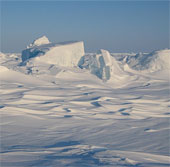
In the next few decades, the lands surrounding the Arctic will be able to grow green trees due to global warming. This is the research result from computer models of sci…
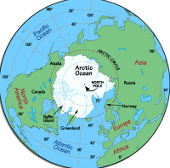
Global warming causes the thickness of the Arctic ice to drop sharply over the past 7 years. With the current situation, some icebreakers have been able to move across n…
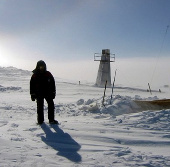
After more than a decade of intermittent exploration drilling, researchers in the country were finally able to penetrate the Antarctic's frozen crust last year and colle…
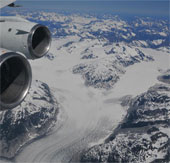
The increase in global average temperature of 3 degrees Celsius (5.4 degrees Fahrenheit) is enough to melt glaciers in northern Canada islands.
The first signs of life were discovered in water samples taken from the lake under the Antarctic thick ice surface. Green light emitting cells that are dyed with DNA sen…

Russian experts claim to have obtained the latest samples from the lake area deep below 3.2 km of Antarctica.
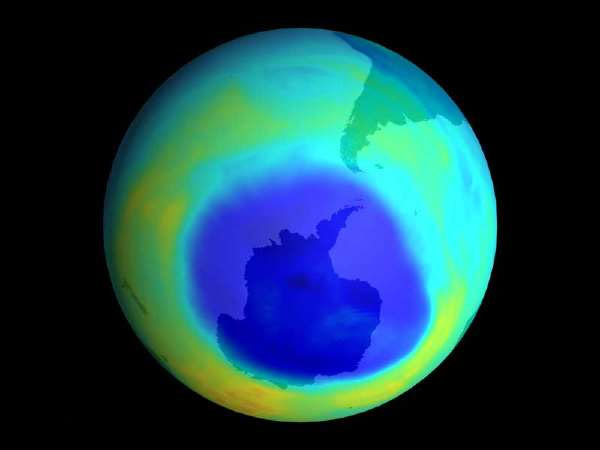
Despite being nearly the same size as North America, the hole in the Antarctic ozone layer is still the second smallest gap in the past two decades.