Environment
The ice in Antarctica is continuing to thicken
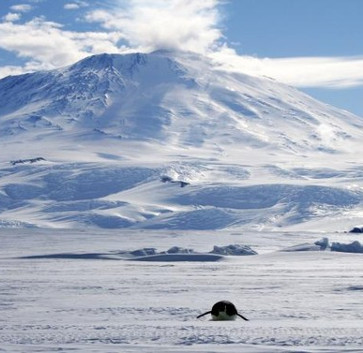
The US Space and Aeronautics Agency (NASA) said that over the past decade, the amount of ice accumulated in Antarctica was greater than the amount of ice lost.
Browse ScienceInfo articles and explainers related to Arctic.
779 published items.
The US Space and Aeronautics Agency (NASA) said that over the past decade, the amount of ice accumulated in Antarctica was greater than the amount of ice lost.
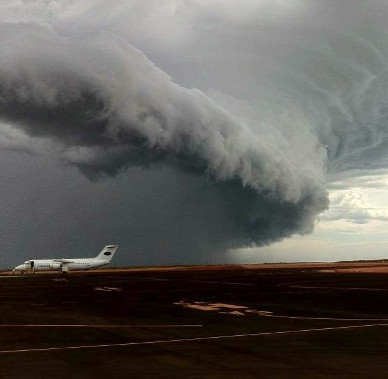
Many places on Earth become the center of the strongest winds, with speeds of hundreds of kilometers per hour.

Rising temperatures, melting ice, rising sea levels in the near future are just a part of the greenhouse effect. It can bend rails, change the circadian rhythm
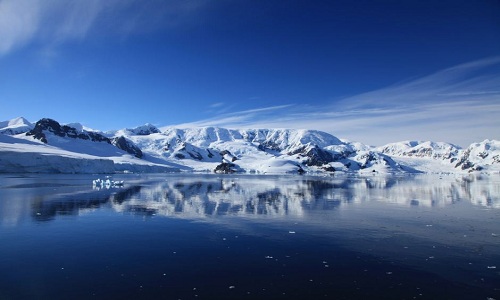
According to scientists from the US Aeronautics Agency (NASA), many cities may be engulfed by seawater in the next 100-200 years.
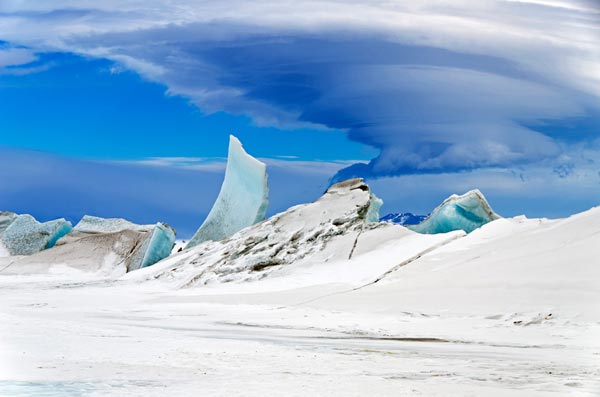
One of the most astonishing scenes in Antarctica are blue ice patches, ripples like a frozen ocean.
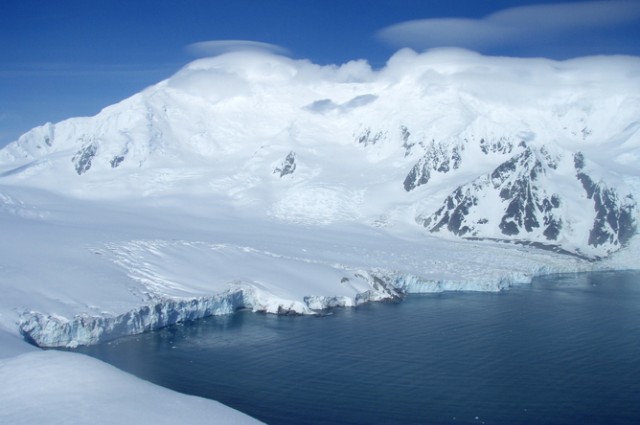
Using data from satellites including the European Space Agency's (ESA) CryoSat-2 satellite, researchers at the University of Bristol have found ice melting in the southe…
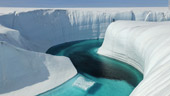
These landscapes and landscapes may disappear in the near future so don't miss the chance to come right before they disappear forever.
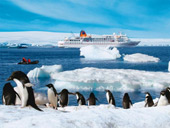
Scientists say that the temperature in Antarctica has reached a record, 17.5 degrees Celsius, the highest level in history, not only that, the world temperature in 2015…
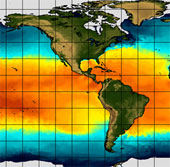
El Nino, ocean acidification or water shortages are three of the most significant problems that could affect Earth this year.

These are the darkest ice sheets ever recorded in history.
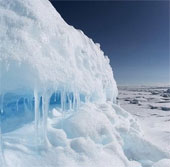
Canada began its scientific mission to map the seabed around the North Pole in the context of its efforts to claim sovereignty over the region and the surrounding sea in…
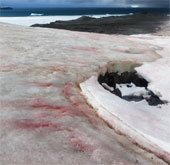
The existence of microalgae under ice or penguin droppings is the cause of diverse and vivid colors on white Antarctic ice sheets.
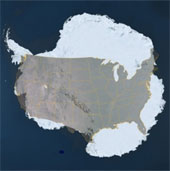
According to a recent NASA climate study, West Antarctic ice sheets are melting uncontrollably, glaciers are melting and flowing into the sea.
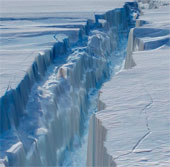
According to the report, the six giant glaciers of Antarctica are melting at a rapid rate with the amount of melting ice increasing by 77% between 1973 and now.
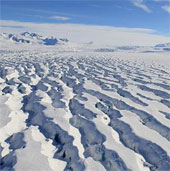
The ice melting situation in Antarctica, which is considered a leading threat to sea level rise, will continue for decades or even centuries.