AI - Artificial intelligence
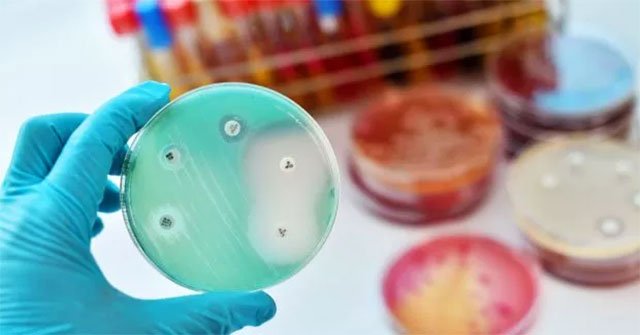
AI found a new super antibiotic that can kill the most dangerous antibiotic resistant bacteria
Artificial intelligence has helped researchers do the unthinkable.
Browse ScienceInfo articles and explainers related to Artificial.
1,558 published items.
Artificial intelligence has helped researchers do the unthinkable.
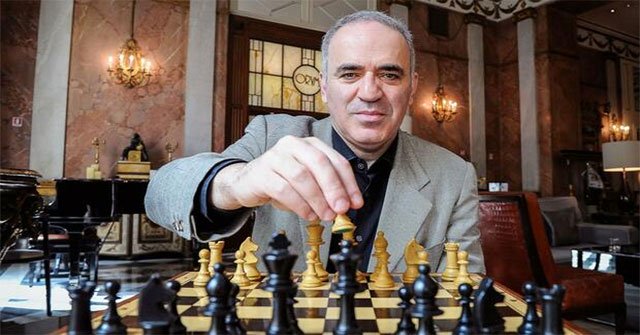
Garry Kasparov once dominated the chess village until he was defeated by IBM's Deep Blue supercomputer in 1997.
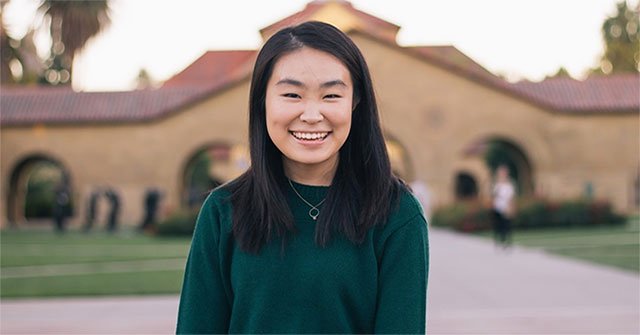
To help the astronauts be safer when working in space, college girls have found a way to clean up the debris in Earth's orbit with artificial intelligence.
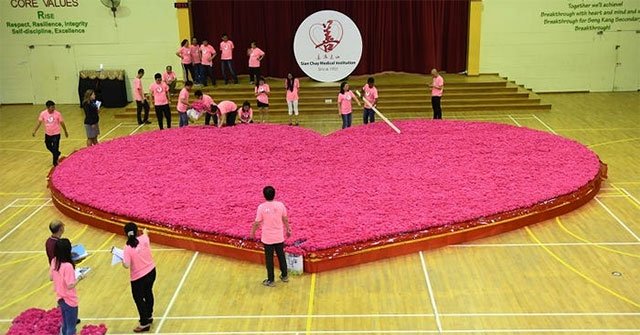
To celebrate Valentine's Day, here are 10 interesting Guinness records related to Valentine's Day that can help you relax and find some fun.
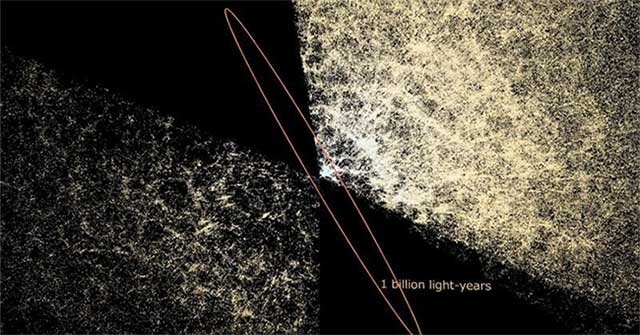
The Dark Emulator will analyze and decode a huge block of astrophysical data, using processed information to build simulations about the universe.
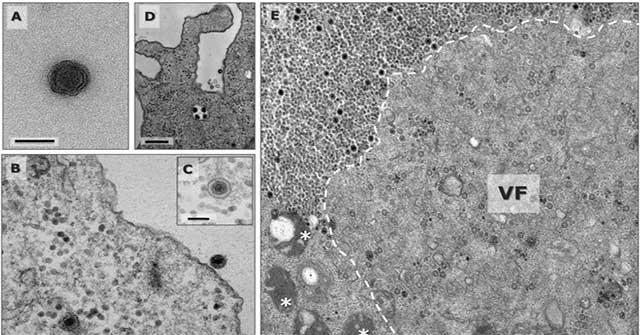
When searching for viruses in an artificial lake in Brazil, scientists made unexpected discoveries.
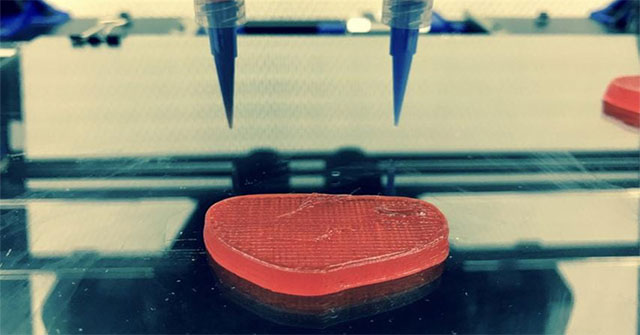
According to the team, the cost of printing 100g of meat with this technology is only about $ 3, not too high compared to buying meat directly in the supermarket.
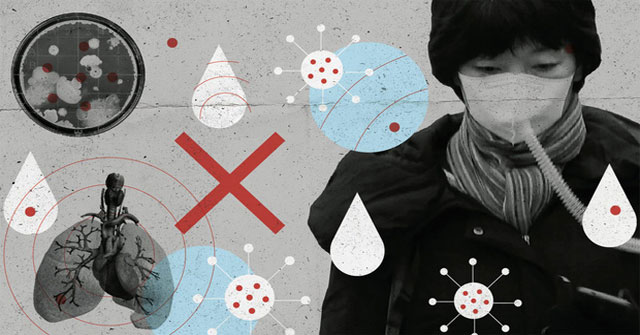
Why AI? Because when an epidemic occurs, the whole world is at risk. So if there is a tool to help identify each person, preventing them from moving away will be an adva…
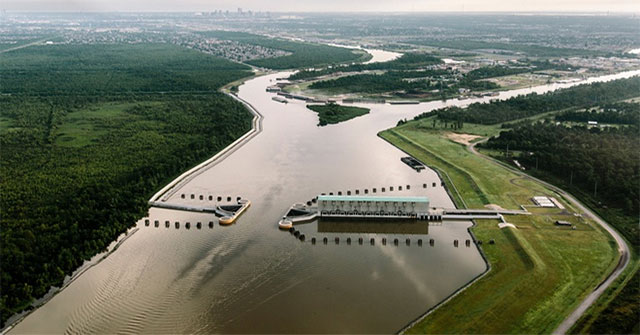
The 9.6km long breakwater wall will protect New York from flooding during super typhoons, but critics say it is obsolete because of rising sea levels and environmental t…

In the near future, AI could serve as an interpreter to help people understand the life of animals in the wild.
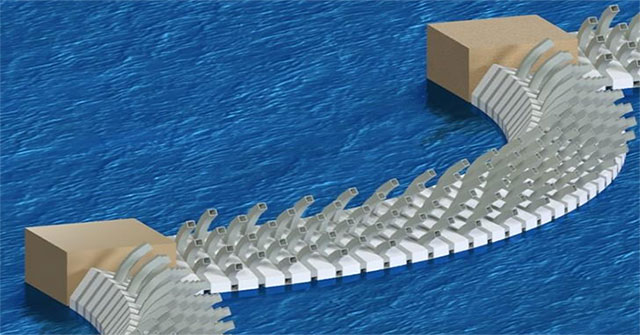
'Artificial floating forests' developed by Australian engineers are flexible fences of concrete and plastic pipes of many kilometers in length to eliminate waves and red…
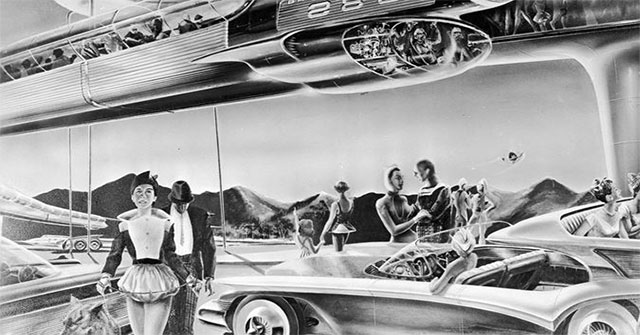
Contrary to predictions, artificial intelligence and robots are not yet common in everyday life of 2020. It is still unthinkable to go on a trip to the Moon or to 150 ye…
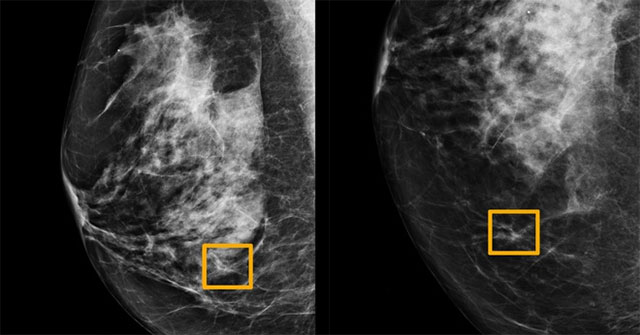
A new study shows that artificial intelligence developed by Google is better able to identify breast cancer than many doctors.
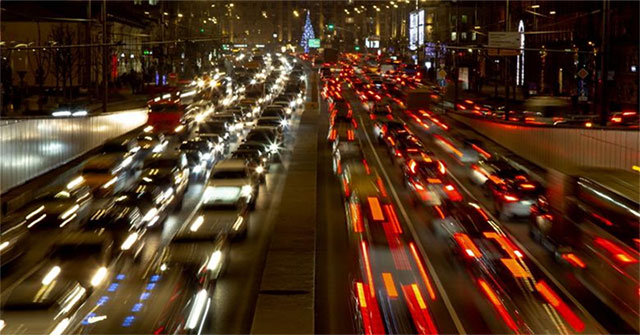
Researchers are looking to use traffic videos in Berlin, Istanbul and Moscow along with big-data technology to simulate the brain to forecast traffic situations.