Oceanography
Small fish can attract objects 300 times heavier
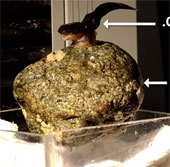
The small stick on the body makes it easy for clingfish to cling to surfaces, even absorb heavy objects that are hundreds of times heavier than it.
Browse ScienceInfo articles and explainers related to Artificial.
1,558 published items.
The small stick on the body makes it easy for clingfish to cling to surfaces, even absorb heavy objects that are hundreds of times heavier than it.
To protect aquatic species, rare fish species ..., Quang Nam province will pilot the construction of artificial reefs in coastal waters.
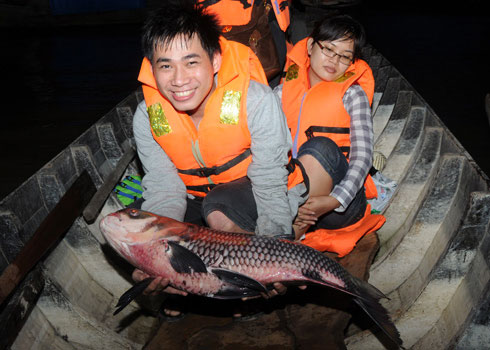
Ms. Nguyen Thi Ngoc Trinh, Director of An Giang Aquatic Breeding Center said the center has studied reproduction of coral fish for a long time. Finally the first batch o…
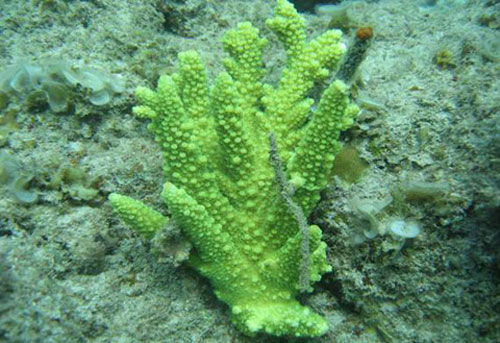
Malaysia will add more artificial reefs to prevent illegal fishing that is destroying the country's marine ecosystem and affecting the livelihood of traditional fisherme…

Of the 7 species of seahorses in the Vietnamese waters, there are 5 species that were spawned under experimental conditions, of which the white-bodied seahorses are the…

Nha Trang Institute of Oceanography has successfully produced artificial breeding of rare and precious seahorses named in the Red Book of Vietnam and the World Conservat…
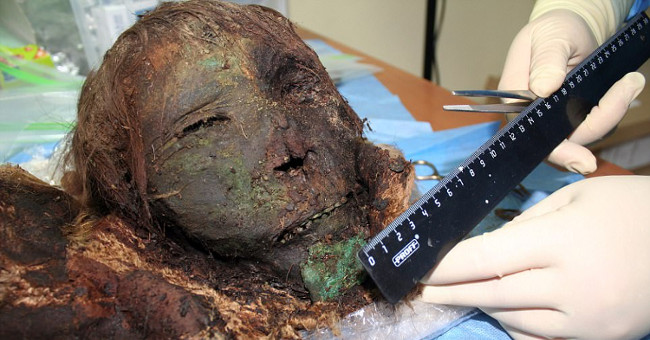
The Siberian Times reported that scientists recently discovered a woman's mummy buried in the snowpack in the Arctic and covered with thick fur
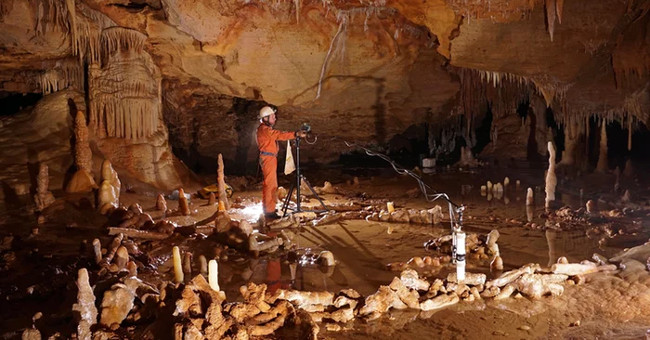
This is said to be an artifact of the Neanderthals and is one of the oldest artificial works in the world.
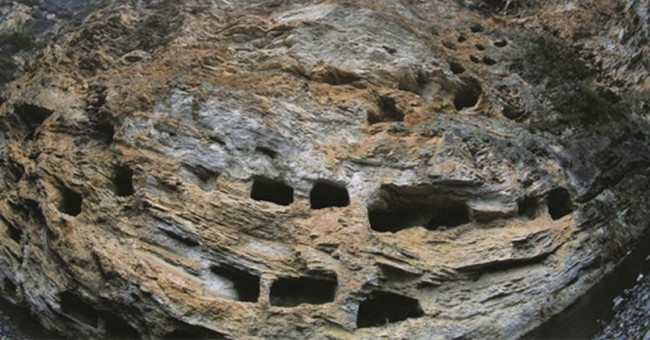
Chinese archaeologists found 131 mystical bodies dating back over a thousand years hanging on cliffs standing in Hang Tien Cave, Hubei Province.

Do you have a 1,300-year-old city called 'Atlantis of the East' that remains intact at the bottom of an artificial lake?
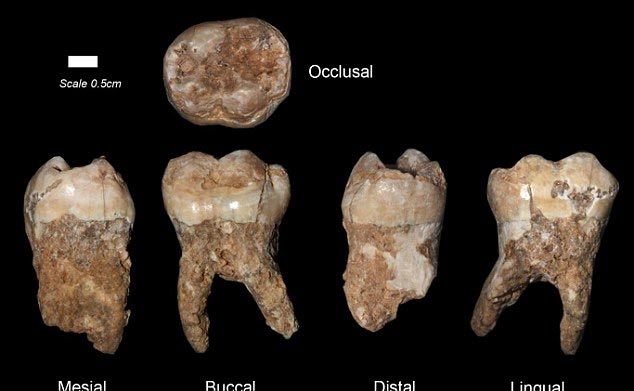
Archaeologists claim to have discovered the first evidence of artificial pollution, thanks to plaque on the teeth of an old Stone Age man, 400,000 years ago.
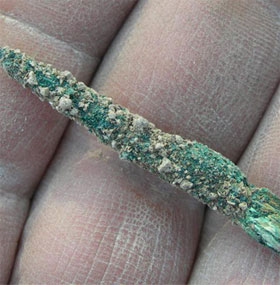
An excavated awl in Israel dating to 6,000 years is considered the oldest metal object ever.

An ancient city built in China from 1,300 years ago still retains many intact structures despite being located deep below the artificial lake.
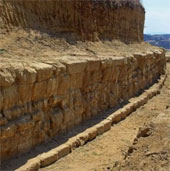
Archaeologists say they may have discovered Alexander the Great's tomb at a place near the ancient Amphipolis, 370 miles north of Athens.
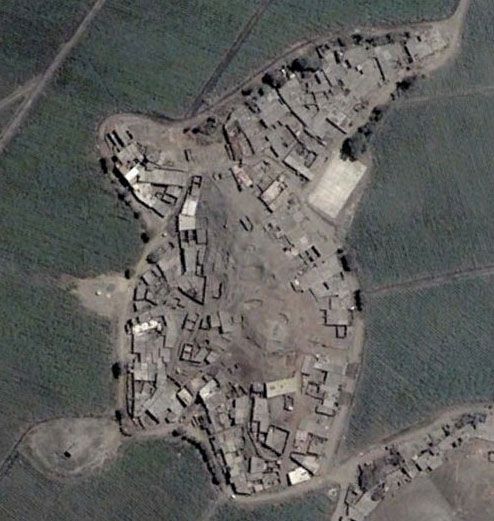
Artificial soil that looks like an eel, a vulture or a duck discovered in North America may be evidence that ancient people rely on astronomy to cultivate crops. Accordi…