Space science
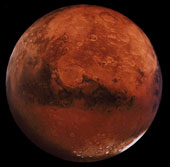
Russia and Europe will explore Mars together
The European Space Agency (ESA) and the Russian Federal Space Agency (Roscosmos) will sign an agreement to explore Mars in the next few years.
Browse ScienceInfo articles and explainers related to Artificial.
1,558 published items.
The European Space Agency (ESA) and the Russian Federal Space Agency (Roscosmos) will sign an agreement to explore Mars in the next few years.
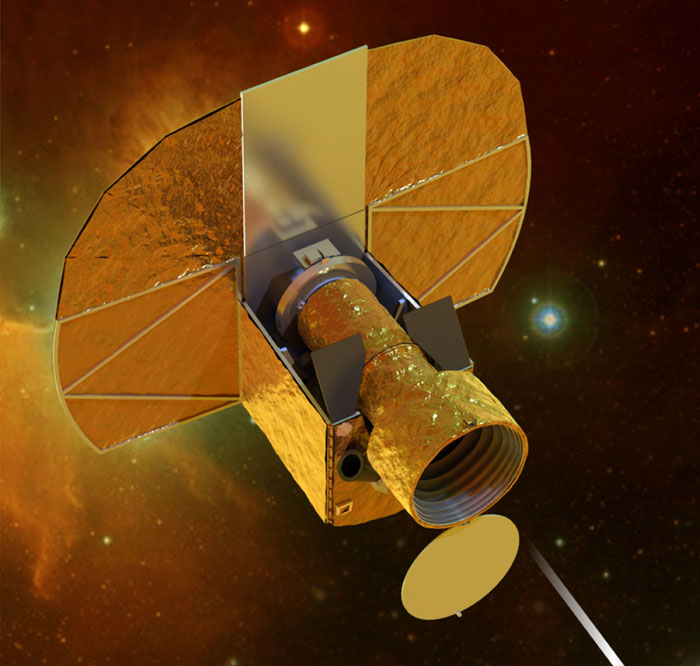
The European Space Agency (ESA) will launch an artificial satellite to study planets around stars near the sun in 2017.
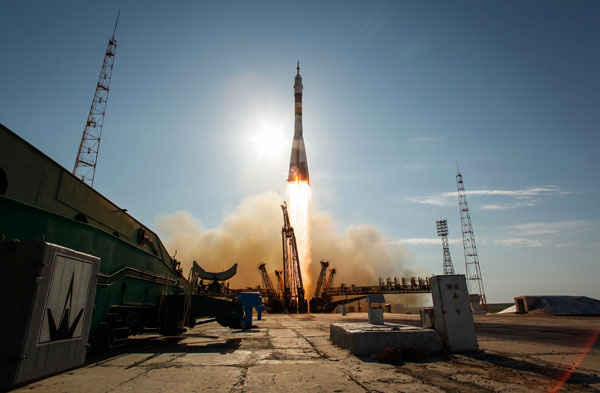
The Kazakh government prevented three launches of Russian artificial satellites at Baikonur Cosmodrome because the two countries had yet to find a common voice about the…
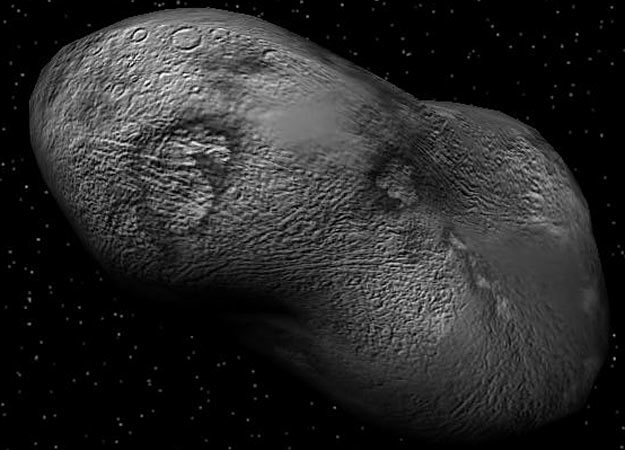
Scientists have warned 99942 Apophis - meteorite about 487m across - capable of hitting the earth. In 2029, Apophis will be about 57,600km away from the globe, equivalen…
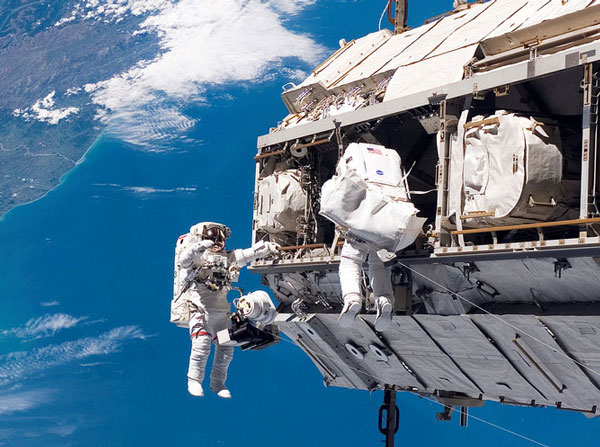
Russian Deputy Prime Minister Dmitry Rogozin said that people should put the future international space station on another planet, not on earth orbit as it is today.
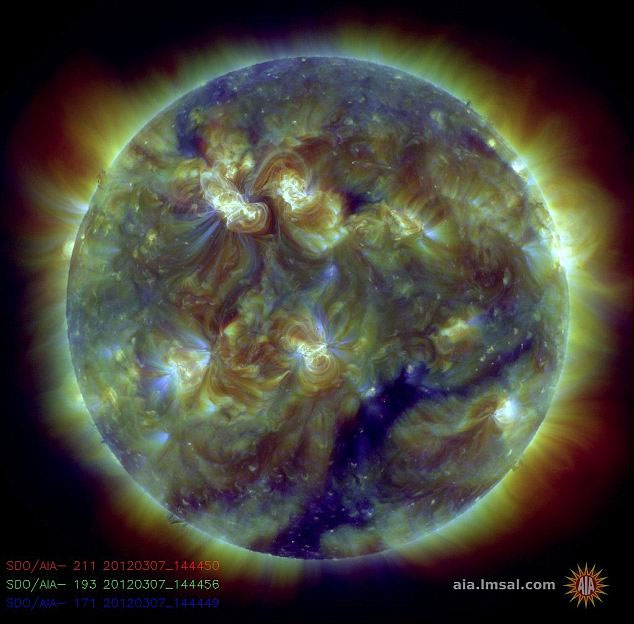
Scientists warn that power transmission, artificial satellite positioning and aircraft orientation may be disturbing in the next few days after two extremely strong stor…
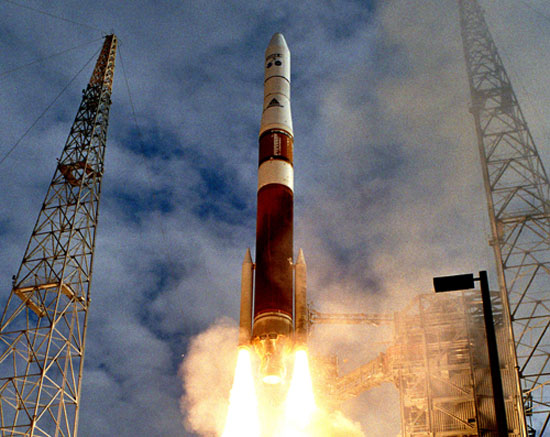
A Chinese space expert said yesterday Beijing will launch 20 missiles and 25 artificial satellites into space this year.
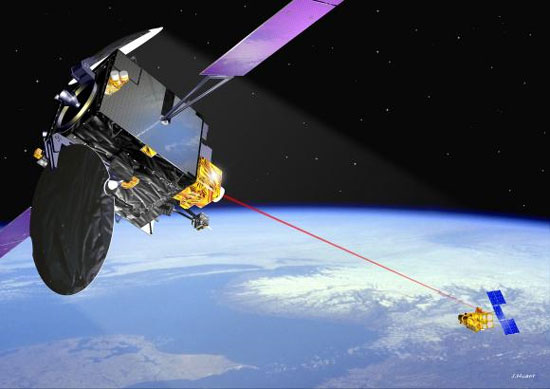
The US Aeronautics Agency (NASA) will launch an artificial satellite to test the weather forecasting technology and monitor climate change on Earth.
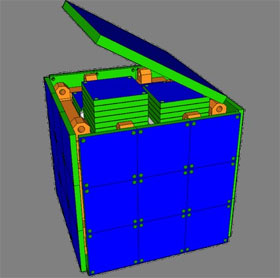
Just spending a few hundred to 1,000 USD is able to own an artificial satellite. It is not a tough joke but a cherished project by Zac Manchester scientist, of course wi…
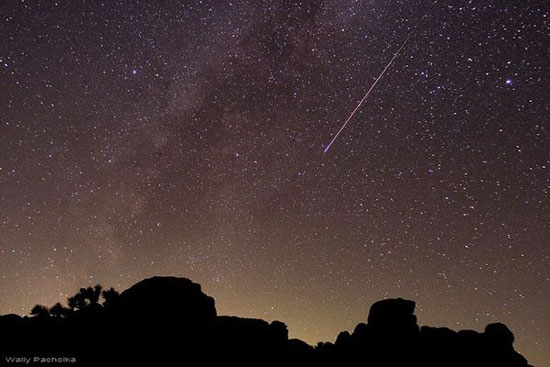
Space agencies around the world are concerned that tomorrow's meteor shower could turn into a storm and threaten artificial satellites on Earth orbit.
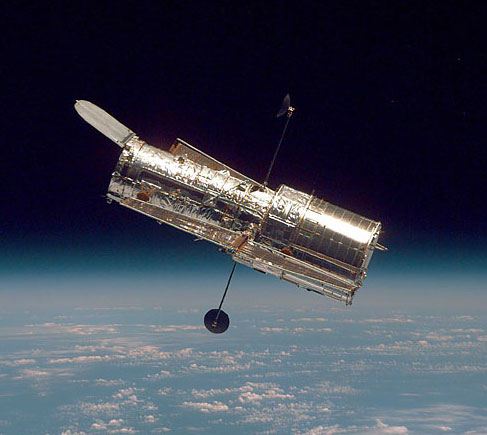
The earth's low orbital artificial satellites are designed to resist magnetic storms, but their lifespan can be greatly reduced if super storms occur.
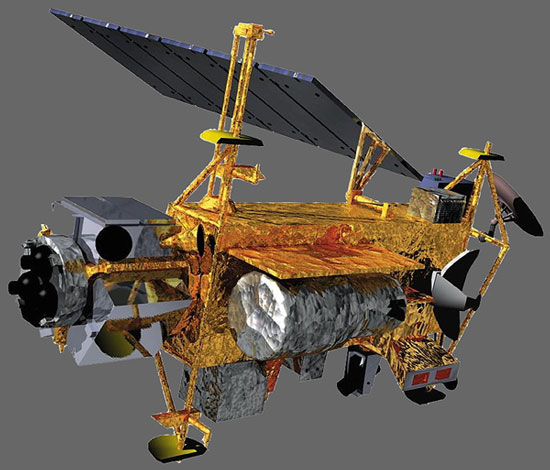
The US Aeronautics Agency (NASA) has reported that one of its faulty artificial satellites has left orbit and may fall anywhere on Earth on September 24.
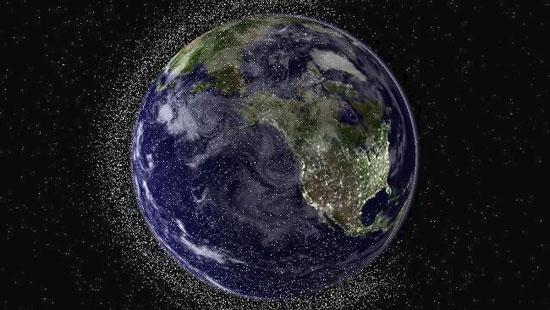
The head of a technology corporation in the United States said he could clean up the cosmic garbage in the earth's low orbit with a giant grid.
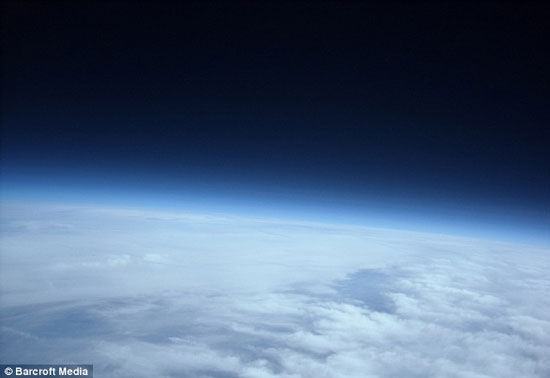
British scientists propose a completely new method of cooling the Earth by creating 'artificial volcanoes'.
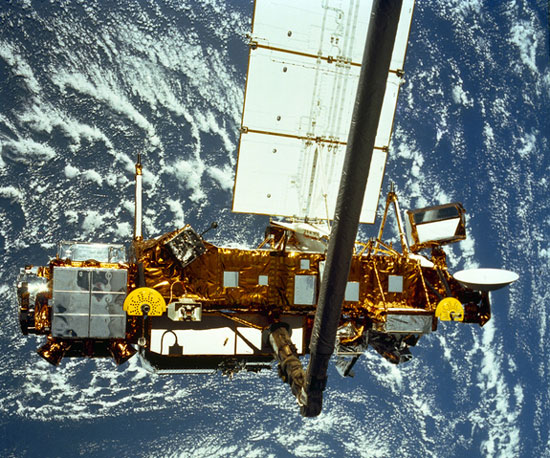
A broken satellite from the US Aerospace Agency (NASA) is about to fall to Earth and many fear its debris could endanger neighborhoods.