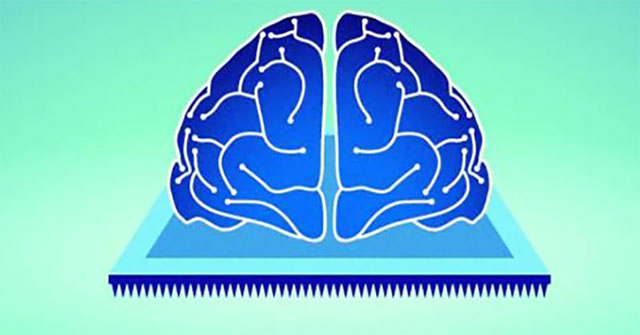
New technology
Physicists create a device that can 'forget memories'
The brain is the ultimate computing machine, so it's no wonder researchers want to try and simulate it.
Browse ScienceInfo articles and explainers related to Asia.
667 published items.
The brain is the ultimate computing machine, so it's no wonder researchers want to try and simulate it.
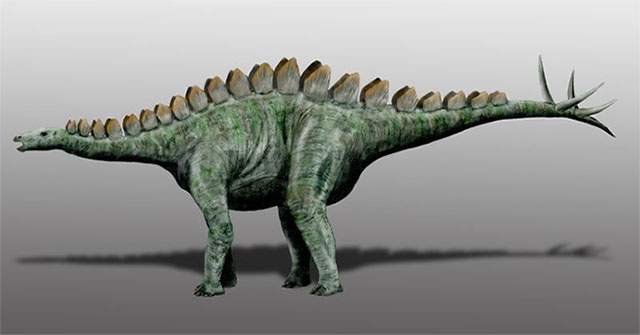
In the age of the Stegizards dinosaur group, the world was divided into two supercontinent: Laurasia and Gondwana.
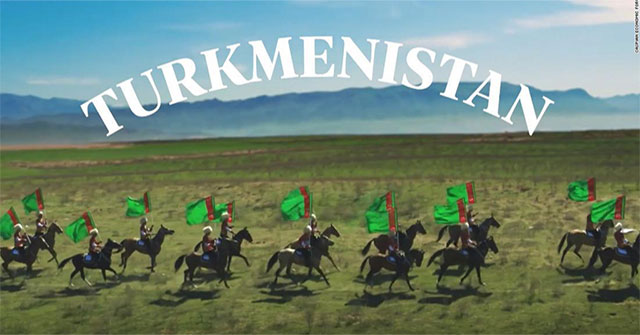
For nearly 30 years, Turkmenistan's Central Asian country has been completely mysterious to the outside. This country grows mainly based on its huge oil reserves.

The results of the excavation of archaeologists and geologists are dozens of ancient human remains in the largest system of volcanic caves of Chu Bluk in Southeast Asia,…
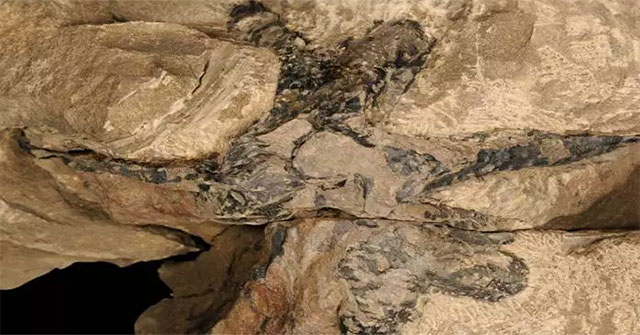
The researchers found fossilized pine forests as large as 35 football fields, growing 359 - 419 million years ago in Anhui province.

What a natural wonder!

In some East Asian countries such as Vietnam and China, July 7 of the lunar calendar is considered to be the day of Citizenship, the day of Mr. Ngau Mrs. Ngau or the day…

According to the latest report from Fitch Solutions Macro Research, the growth rate in this category in Vietnam is the fastest in Southeast Asia today.
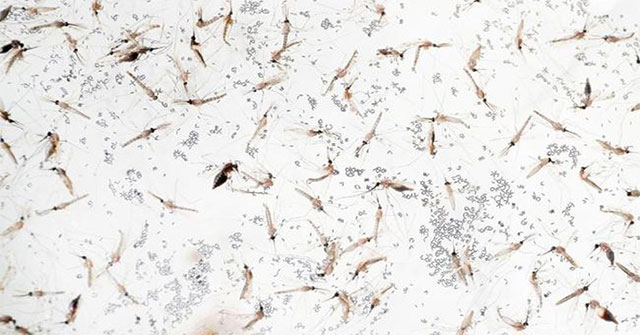
Researchers warn that drug-resistant malaria parasites are spreading in many Southeast Asian countries.
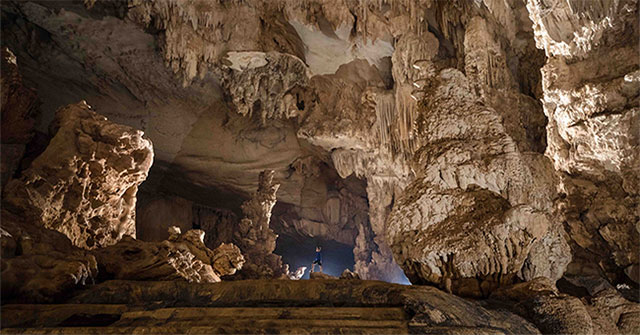
Thien Duong Cave in Quang Binh has just received a new record of cave with the most unique and magnificent stalactite and stalagmite system in Asia.

Two Vietnamese scientists were voted for their outstanding achievements in medical and biological research.

Researchers warn that by 2050, more than 20% of the world's major cities will face unprecedented extreme weather conditions, as rising temperatures increase the risk of…
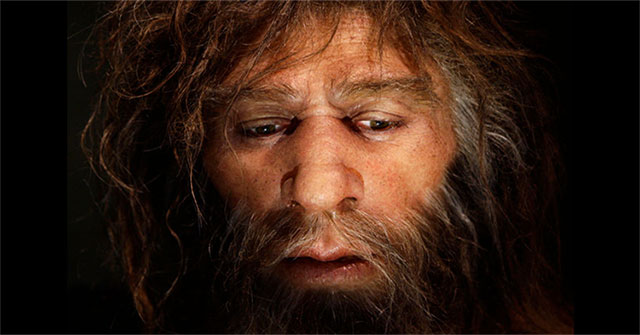
After the shocking discovery of the Neanderthals extinct marriage, scientists continued to find descendants of the Denisovians in Asia.

The study shows that genetic independence reflects the very high resistance of Vietnamese people and is far from the Han Chinese genome.
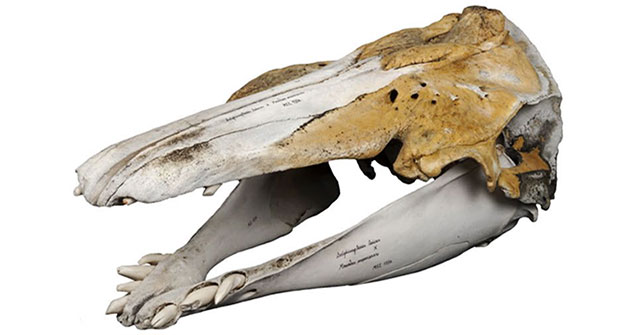
The analysis shows that whale skulls stored in a museum in Denmark belong to crosses between two Arctic whales.