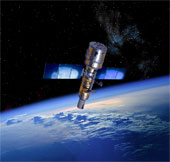
Space science
Russian satellites caught fire before falling to Earth
A Russian military spy satellite on February 16 caught fire in the process of friction with the atmosphere.
Browse ScienceInfo articles and explainers related to Atmosphere.
902 published items.
A Russian military spy satellite on February 16 caught fire in the process of friction with the atmosphere.
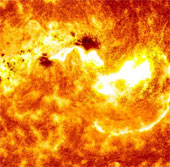
A powerful storm on the sun's upper atmosphere makes a spaceship a vessel unable to leave the launch pad.
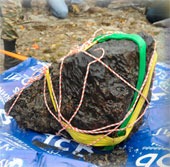
The Russian scientist is one of 10 people in 2013 who changed the picture of the world. All thanks to the study of meteorites falling on February 15 from the atmosphere…
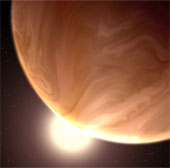
The Hubble telescope has allowed astronomers to observe the weather situation in an unfamiliar world, with the predicted result being cloudy.
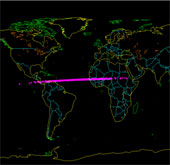
Astronomers say a small meteorite plunges into the atmosphere of Earth on January 2, after being discovered just a day earlier.
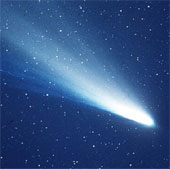
The appearance of Halley's comet has
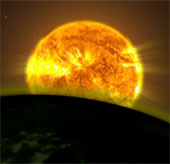
Astronomers have found signals that there is water in the air of five distant planets.
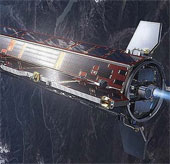
On November 11, the European Space Agency's (ESA) satellite GOCE entered the Earth's atmosphere and caught fire.
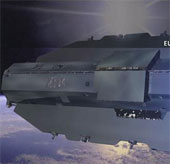
The European Space Agency (ESA) was relieved when it announced that GOCE had landed safely in the sea.

The US Aeronautics and Space Administration (NASA) yesterday successfully launched an unmanned probe of MAVEN on Mars, to study the atmosphere and water on the planet.
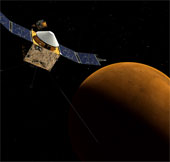
The US Aeronautics and Space Administration (NASA) has said it is working on a plan to launch the Maven probe to Mars in the middle of this month.
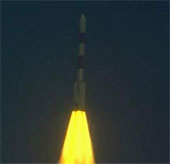
According to Indian national television, boosters carrying unmanned probes were launched at 9h08 GMT (16h00 Vietnamese time) from launchers in Sriharikota, Andhra Prades…
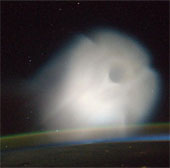
Astronauts on the International Space Station (ISS) have recently captured an image of an eerily shaped cloud, formed high above the Earth atmosphere
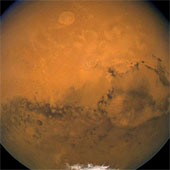
India on October 22 decided to postpone the launch of its first Mars probe until November 5, due to problems with the marine tracking system, according to AFP.
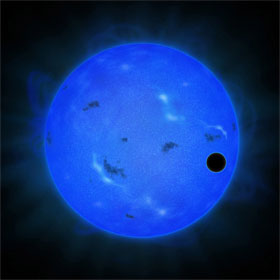
Scientists have discovered an extrasolar planet, not far from us, covered by a water-filled atmosphere.