Space science
There is steam and ozone on the Martian atmosphere
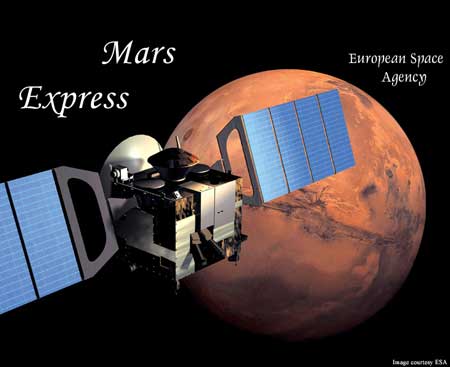
For the first time, European scientists discovered steam and ozone, and drew their distribution maps in the atmosphere of Mars, the Red Planet.
Browse ScienceInfo articles and explainers related to Atmosphere.
902 published items.
For the first time, European scientists discovered steam and ozone, and drew their distribution maps in the atmosphere of Mars, the Red Planet.

Space shuttle Columbia shattered while going back into the atmosphere on February 1, 2003. All crew are dying. The ship's fragments spread across a wide range of states.…
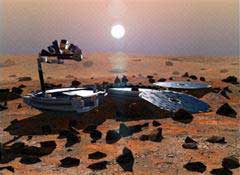
The self-propelled Beagle 2, lost two years ago, was found on photos taken on Mars. Photos taken by a NASA satellite Mars Global Surveyor. After analysis, astronomers ca…
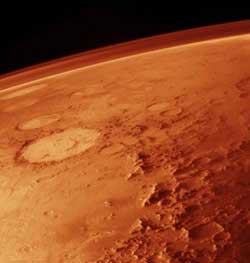
On this photo taken by Hubble on October 28, it was clear that a storm was sweeping on the red planet: the red area illuminated. That is the result of research by Americ…
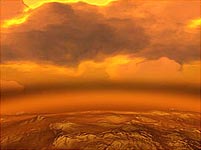
Europe is ready to send a spacecraft to Venus, the closest planet to the earth and a giant greenhouse, described as
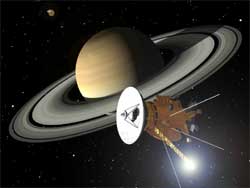
NASA said that last week, US and European Cassini space probes approached the surface of Dione, Saturn's satellite at a distance of 500 kilometers, revealing a frozen su…
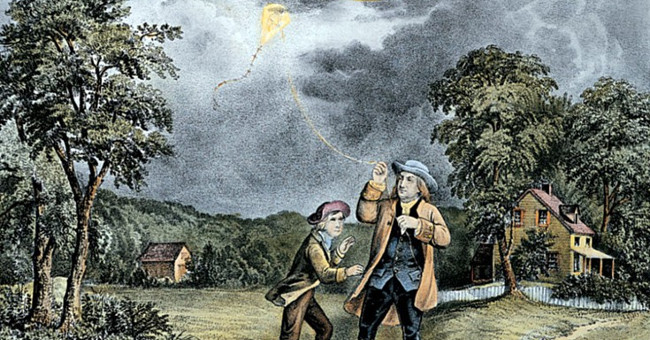
In 1752, Benjamin Franklin performed lightning experiments in a very famous atmosphere.
According to Independent page, the amount of CO2 that people are
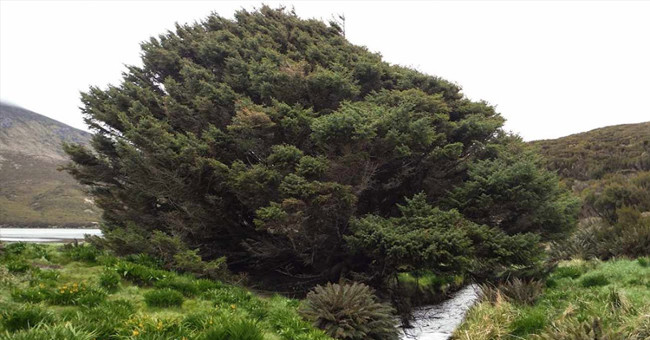
Scientists examined the radioactive isotope carbon-14 in the small core of a Sitka spruce (Picea sitchensis) on Campbell Island, New Zealand.

Not only adjusting to adapting to life in a new environment, some of the bacteria brought to the space station became even stronger when it was able to resist antibiotic…

Ancient terrestrial plants, first of all mosses have played a key role in the emergence of life on earth.
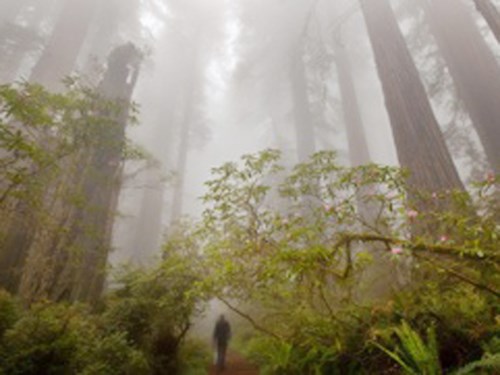
Recently, American scientists have announced that, due to global warming, plants can 'get angry', become dangerous to the atmosphere and to life on the planet in general.
Researchers from Arizona State University said ants could prevent carbon dioxide from spreading into the atmosphere.
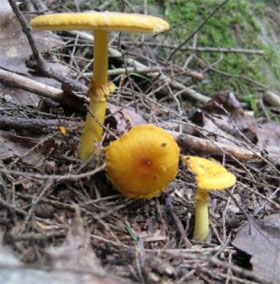
Recent research scientists say, symbiotic fungi living in plant roots have a major impact on atmospheric carbon.
Organisms in the atmosphere: Important microbial populations are found in the middle and convection layers.