Science invention
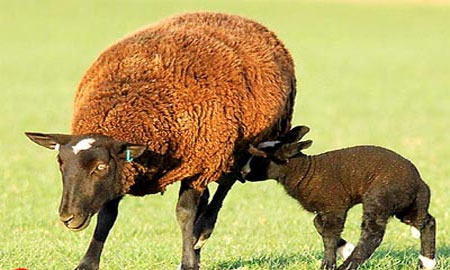
Sheep can neutralize TNT by explosive digestion
Scientists headed by Craig Murray of Oregon State University (USA) have been studying bacteria that can digest sheep's cellulose, thereby helping to quickly transform TN…
Browse ScienceInfo articles and explainers related to Bacteria.
1,661 published items.
Scientists headed by Craig Murray of Oregon State University (USA) have been studying bacteria that can digest sheep's cellulose, thereby helping to quickly transform TN…

American scientists say they have found a new tool that can treat many different diseases, ranging from food poisoning to cancer, called
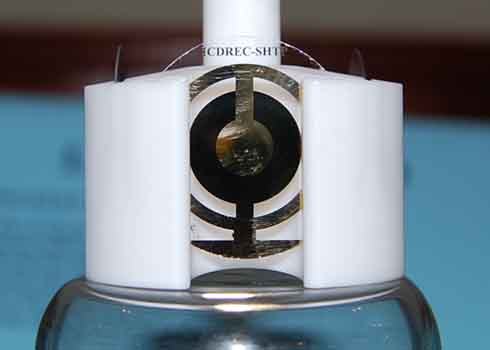
This product is completely designed and manufactured in Vietnam according to microelectromechanical technology (MEMS), which is highly applicable in many fields, especia…

Scientists have successfully studied ion nozzles used to treat wounds and protect the skin can effectively kill bacteria without feeling pain for patients.

Not only fumigation, disinfection, lamps produced by the Center for Saving Energy and Chemical Solutions, Hanoi Chemistry can also kill bacteria.

Vegetable disinfectants use both the combination of ozone and ultrasound to kill 99% of bacteria in just 10 minutes.
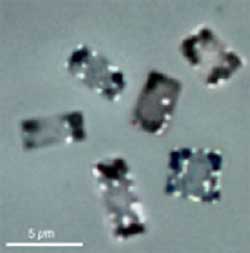
Research by graduate student Dr. David Burns, Dr. Mike Dyall-Smith and others from the University of Melbourne, the Department of Microbiology and Immunology, opened the…
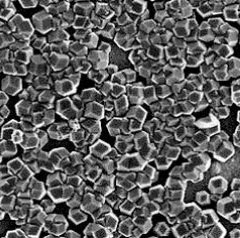
According to the research team at Leeds University (UK) and Tokyo University of Agriculture and Technology (Japan), when digesting iron, iron-eating bacteria create tiny…
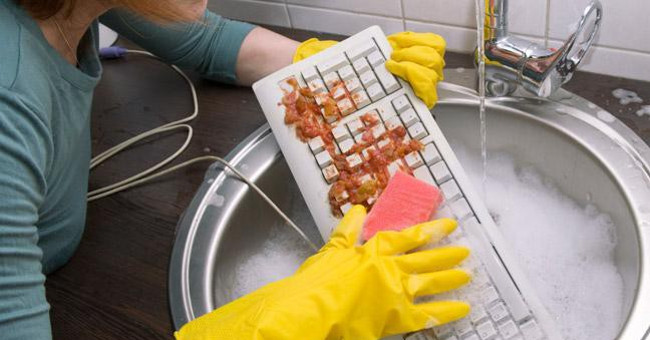
Toilet toilets usually only have 7 bacteria per 1cm2 - can be said to be extremely clean compared to a computer, especially a computer used by many different people.
Cooperating with Singapore Institute of Biotechnology and Nano Technology, researchers from IBM created one
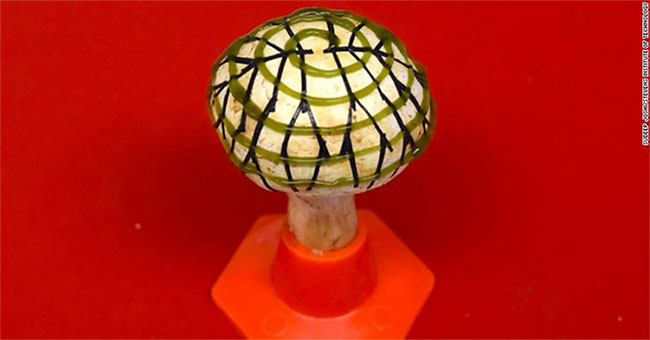
Finding clean methods to produce electricity is a priority for scientists who are eager to reduce human dependence on fossil fuels.
According to US scientists, if you take advantage of Listeria monocytogenes bacteria that live in the digestive tract, causing diarrhea, bio-batteries can be developed.
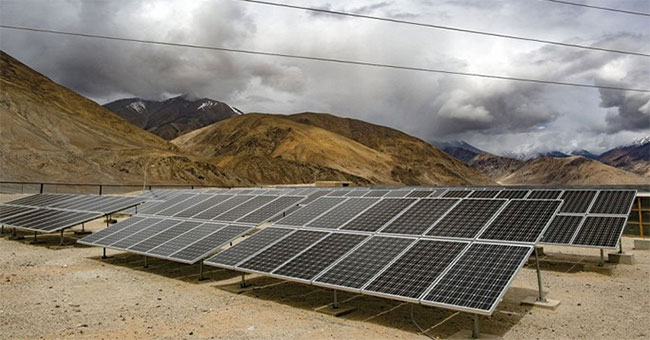
This battery not only gains more power than previous devices but also works effectively in strong light and low light.
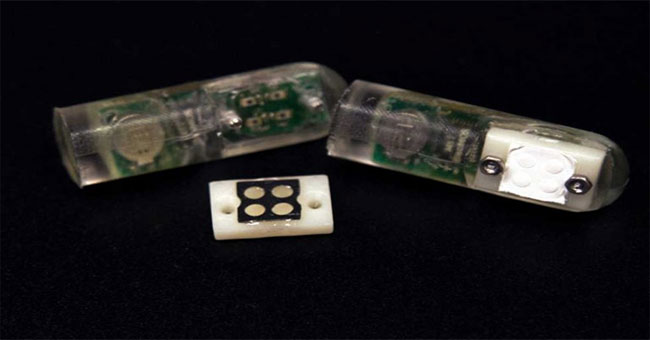
Researchers at MIT have developed a digestive sensor, made of genetically modified bacteria.
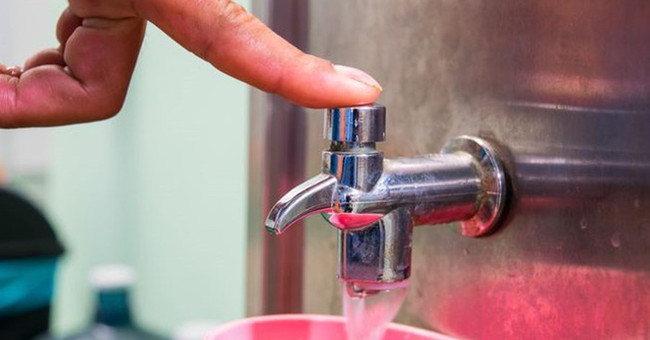
Scientists from Lithuania's Kaunas University of Technology have invented a new way to purify water and keep clean water for months.