Medicine - Health
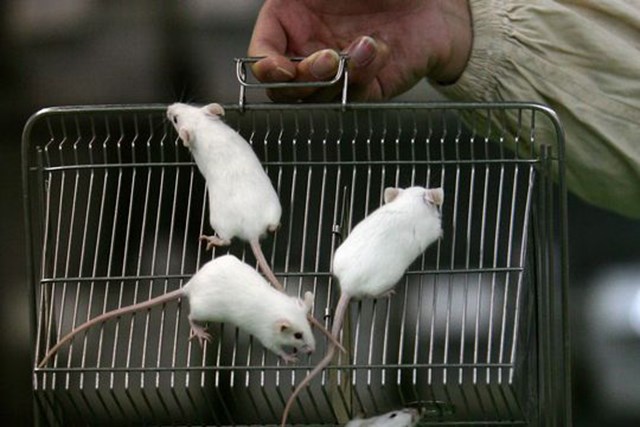
Old rats get bones by injecting blood from young mice
By injecting the blood of young mice into older mice, scientists at the University of Toronto found that their ability to heal bones would be many times faster than norm…
Browse ScienceInfo articles and explainers related to Beta.
157 published items.
By injecting the blood of young mice into older mice, scientists at the University of Toronto found that their ability to heal bones would be many times faster than norm…

If you don't like sweet potatoes, learn the great benefits below, you may change your mind and eat them more often.

Vitamin E and beta-carotene precursors are not able to prevent cardiovascular diseases as well as cancer.
After working on mice, experts from the Harvard Stem Cell Institute (US) discovered a hormone called betatrophin that increased the adrenal insulin secretion efficiency…

A group of researchers from the Laval University, CHU de Québec, and GlaxoSmithKline pharmaceutical company (GSK) have discovered a way to stimulate the brain's natural…

Asthma is the most common chronic disease for athletes who attend the Olympic Games, a study said. About 8% of Olympic athletes have asthma or narrowing of their airways…
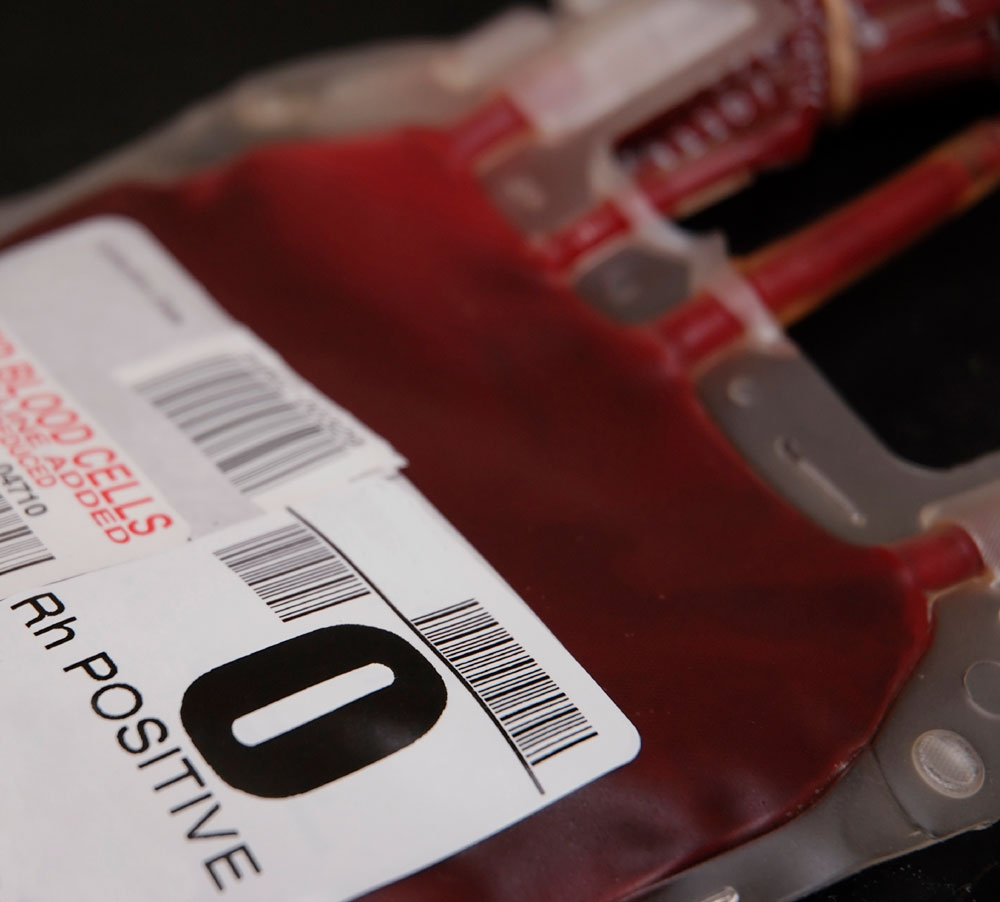
A group of scientists from many Chinese medical institutions and universities are conducting research on a new way to treat thalassemia in alpha form, a form of heredita…

A new study shows that green tea and red laser light can be combined to

The Institute of Biotechnology (Vietnam Academy of Science and Technology) has succeeded in developing antibiotic production in Vietnam according to methods of applying…
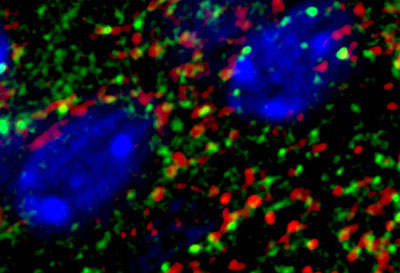
Researchers at the University of California, Santa Barbara, USA and the Sanford-Burnham Medical Research Institute, have discovered a link between a high-fat diet ...

The results of a series of recent clinical studies have caused physicians to wonder: Is vitamin helpful for the treatment of cancer patients?
Use glucose energy to nourish insulin-producing cells. One tablespoon of glucose can be a solution for treating diabetes.
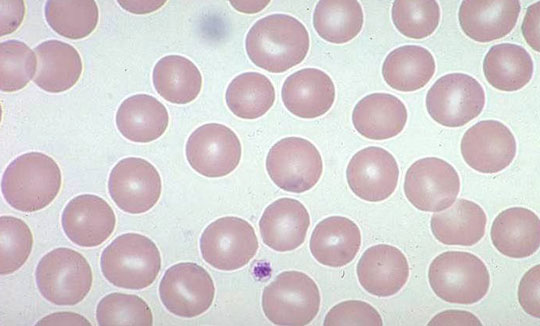
Scientists at the Royal College of London, UK, have published a report on how to reverse leukemia caused by the MLL gene.
Thanks to the tremendous progress in stem cell technology, pancreatic and intestinal cells can now be created in the laboratory.
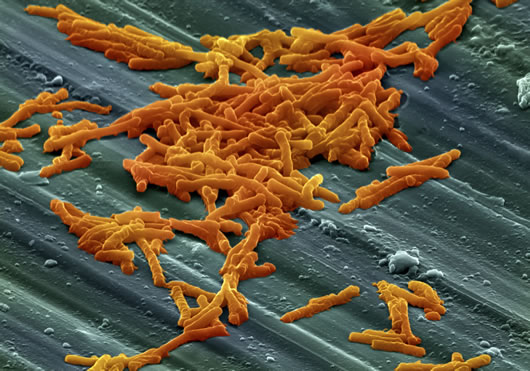
Scientists on November 16 warned of cases of infection