Health
Look at your eyes to guess how many years you will live
A study of nearly 47,000 adults found that the retina holds important clues about your body clock.
Browse ScienceInfo articles and explainers related to Biological Clock.
51 published items.
A study of nearly 47,000 adults found that the retina holds important clues about your body clock.

According to recent research, lifestyle factors that disrupt the biological clock can accelerate the progression of colorectal cancer, explaining why the disease is beco…
An activity that we do regularly at the same time of day will consume more energy than do it at different times of the day.

The World Cup is never a level playing field for all teams, based on science.
'Jet lag' is the term for the post-flight fatigue due to the time zone difference at the destination.

Pressing staff to work before 10 am is equivalent to torturing employees, making them sick, tired and stressed. It is claimed from research by experts at Oxford Universi…
It took many centuries until now, scientists to really understand the exact cause of the phenomenon, sunflowers always face the sun.
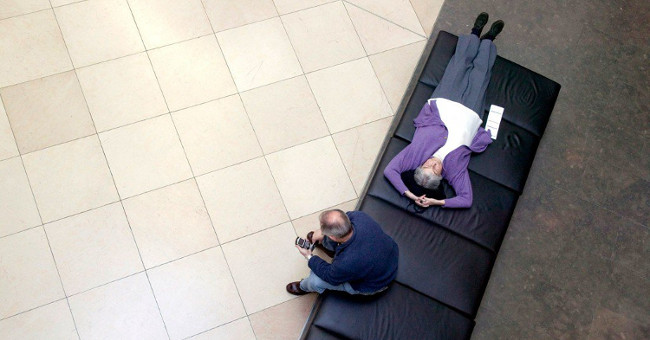
Visitors will find it much more difficult to adapt to the new time zone when flying east compared to the west.
A recently published study from a number of scientists in the UK, the US and Australia showed that a type of biological clock has been identified that can help predict h…
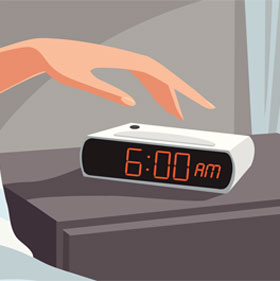
Why do we often wake up before the alarm goes off? Scientists think it is because we are stimulated to get up on time.
Men often go to bed later than women; and weak women often lose sleep more than men. Why are there such differences? Through research, American and French scientists hav…

Recently, scientists have discovered that the biological clock in our body is affected by factors such as weather or season.
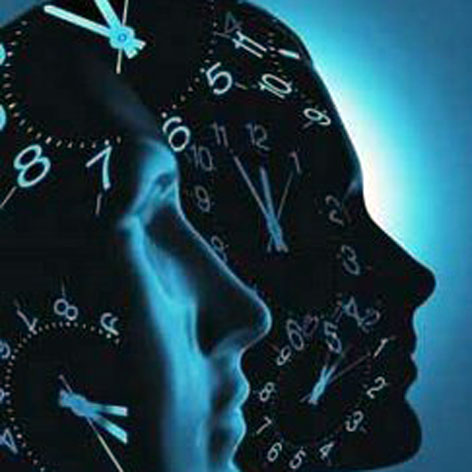
Located in our genes is a 'clock' that controls when we sleep, when we wake up and when we eat.

The secret of the human biological clock was discovered by scientists at the University of Washington (USA).
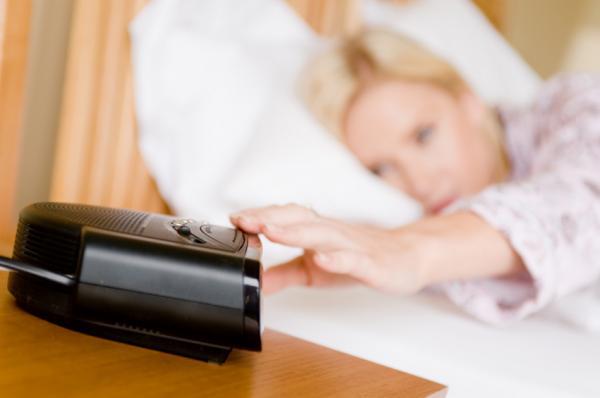
We can sleep for a while to regulate sleep circulation, but our cells have a much more subtle and delicate system.