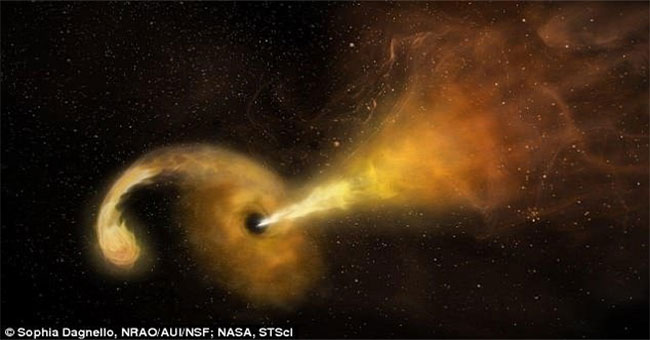
Space science
Catching a super rare scene in the universe: Super giant black hole is swallowing up a star
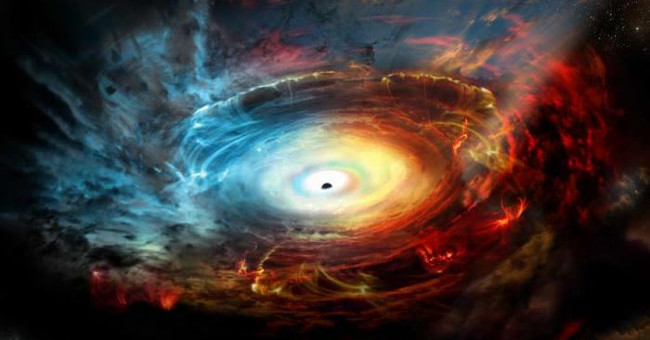
The cosmic black hole - for those who don't know - is a spaceless space with enormous mass, but compressed into a very narrow space.
Browse ScienceInfo articles and explainers related to Black.
1,622 published items.
The cosmic black hole - for those who don't know - is a spaceless space with enormous mass, but compressed into a very narrow space.
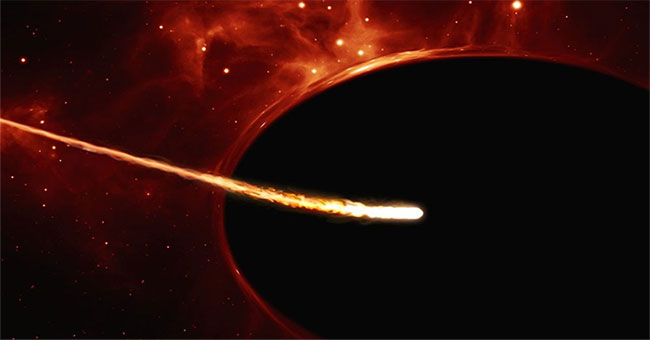
Despite the decades of research, what is gained about cosmic black holes remains just as salty as the potential for knowledge provided by them.
The majority of galactic nuclei contain supermassive black holes of millions or even billions of solar material.
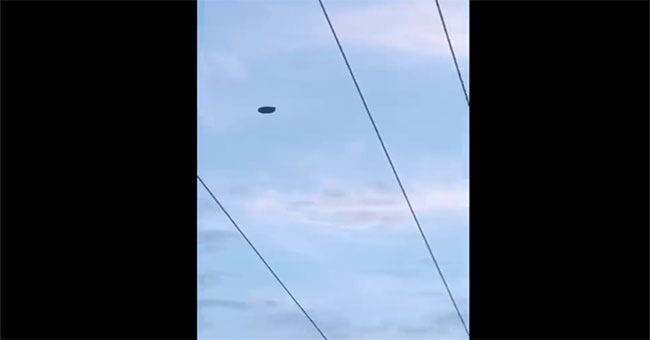
Junelyn Bitalac saw a black object hovering in the sky after taking her mother to work in Hastings, a suburb of Melbourne, Australia, on the morning of May 28, according…
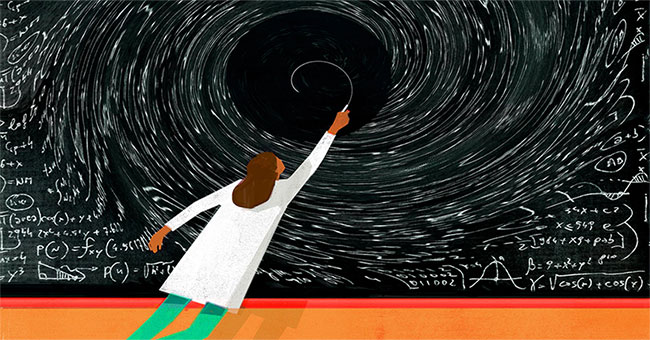
People often consider space to be obvious. It is empty, the context for everything else. Time, likewise, is simply tickles.
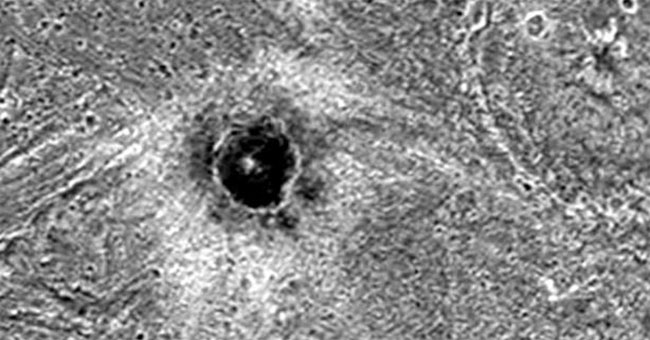
A strange structure found on the surface of Jupiter's moon, Ganymede, caused a stir among the scientific world.
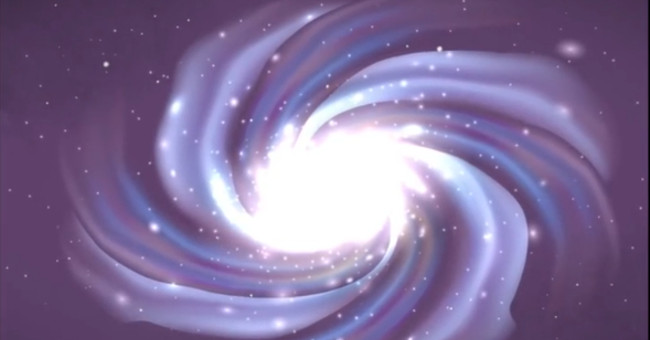
Stars, planets, black holes will die or be ripped apart by mysterious forces, leaving the cold and dark universe without life.
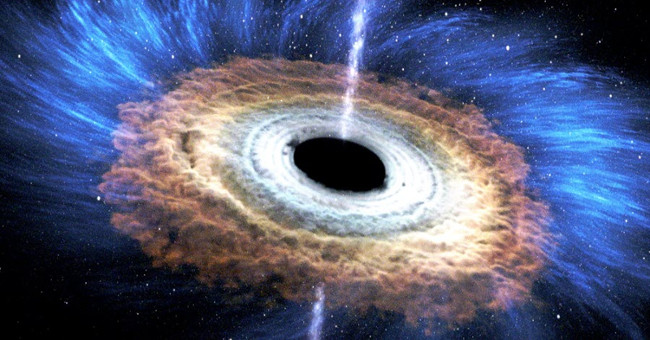
The voracious monster black hole was discovered when the team observed the cosmic area 12 billion light-years away.
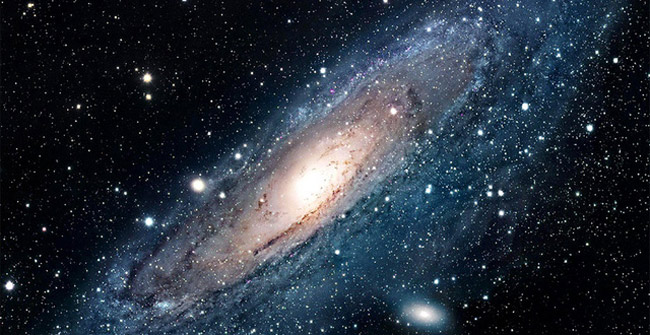
Now scientists have had an extraordinarily powerful tool that enables them to directly observe the mysteries of the universe ...
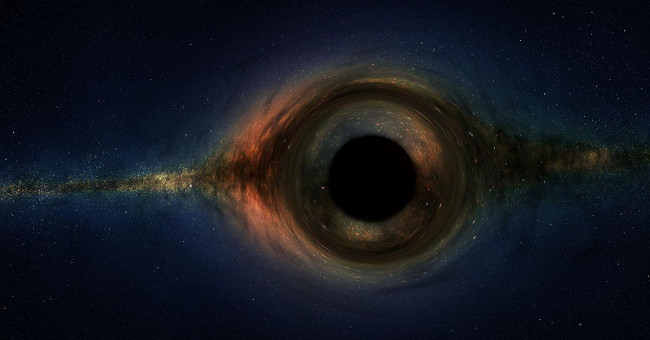
Typically, a supermassive black hole will exist at the core of a giant galaxy.
In October last year, there was an interesting announcement: for the first time, the researchers took a picture of two neutron stars colliding.
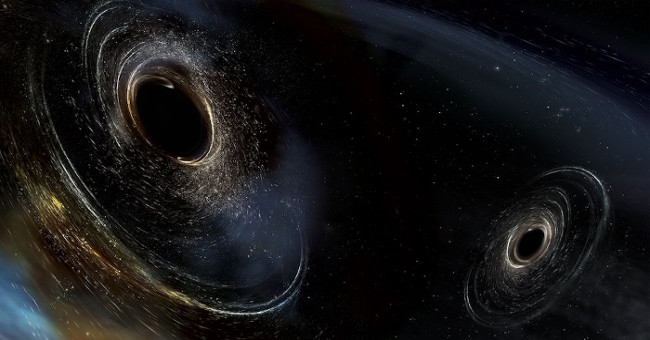
Scientists at the University of Colombia, USA discovered 12 black holes in the center of the Milky Way, or the Milky Way, AFP reported yesterday.
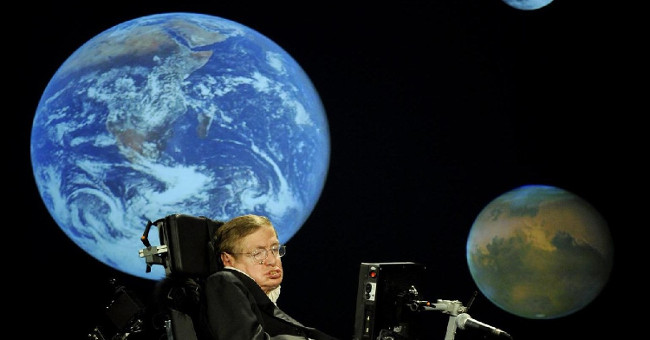
Stephen Hawking is the most famous scientist on the planet. His well-known book, A Brief History of Time, was released when it was released.
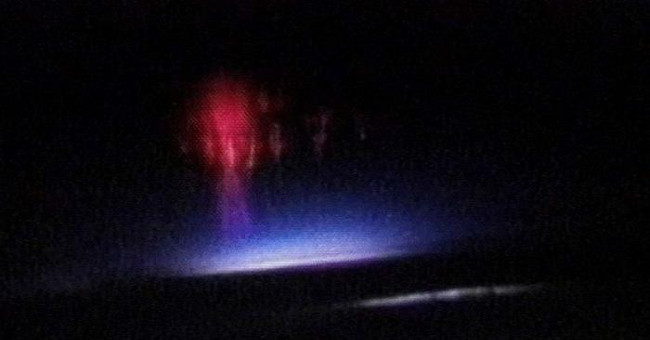
While gamma-ray bursts occur quite frequently and can be observed every day, this observation is almost impossible.

Hawking radiation is one of the most prominent works of Professor Stephen Hawking, helping decode the black hole and the origin of the universe.