Oceanography
A close-up of mysterious fish falling into Alaska
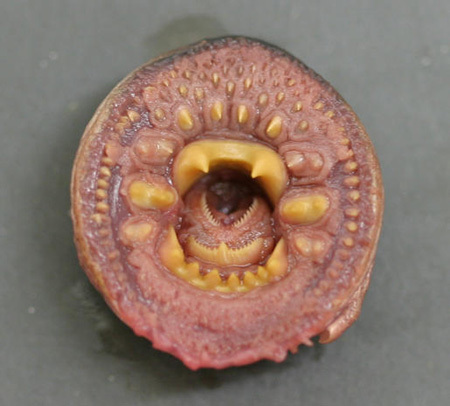
Sardines are called vampires due to parasites and suck blood from other fish to live, continuously falling to Fairbanks, Alaska state, the United States last week caused…
Browse ScienceInfo articles and explainers related to Blood.
2,523 published items.
Sardines are called vampires due to parasites and suck blood from other fish to live, continuously falling to Fairbanks, Alaska state, the United States last week caused…
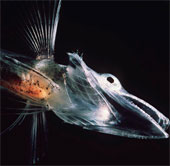
The fish that inhabit the cold waters of Antarctica are born with anticoagulant proteins in capillaries, which help the blood to flow normally without freezing.
Biologists at the University of Michigan have discovered a range of fat cells near the anterior dorsal fin of male male cobia when the female approaches.
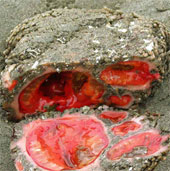
The marine animal named Pyura chilensis surprised many people by mistaking it for a bloody stone.
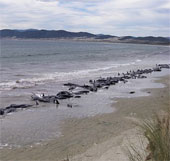
A new study published by international scientists said that large whale-catching whales in large groups are not always members of the same whale family.
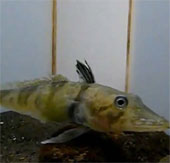
The fish has the scientific name Chionodraco rastrospinosus. The strange thing is that they do not have Hemoglobin, also called hemoglobin - which is a complex protein t…
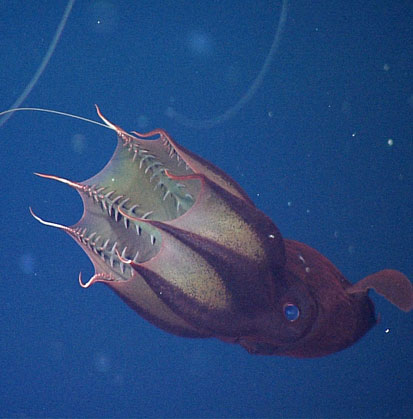
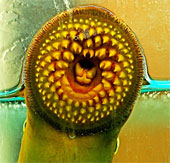
Despite the terrifying nickname, vampire ink doesn't suck the blood of animals and even helps the ocean become cleaner.

Scientists have discovered 'hot' fish living in Antarctica for millions of years. It is a fish that has the ability to naturally produce antifreeze in the blood naturall…
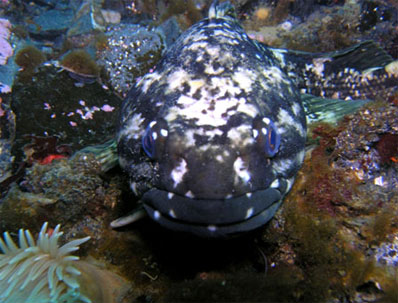
Antarctic fish species can freely travel in sea water below 0oC because their blood has anticoagulant glycoprotein.

Sharks can smell the smell of a drop of blood falling into the ocean 500m away or distinguish a drop of blood from a million drops of sea water ...

Thanks to a synthetic chemical, US scientists can destroy aggressive fish that live on the blood of other species.
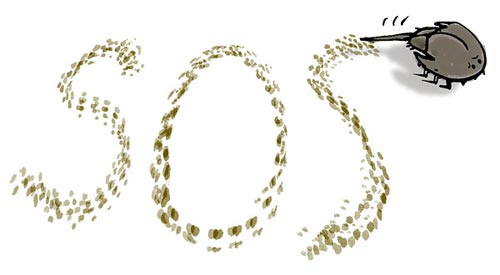
It may be with some people who look a little old-fashioned, or like a battery-powered device or it may be like a Roomba vacuum cleaner that Wilma Flintstone invented. Bu…
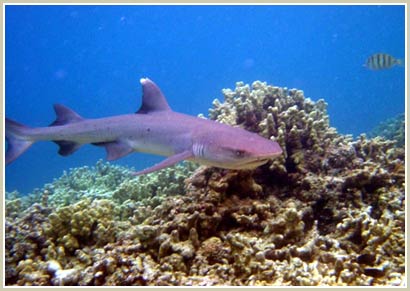
The amount of blood in each shark depends on the salinity of the surrounding seawater. Similarly, the volume of other liquids is also regulated by the environment. This…
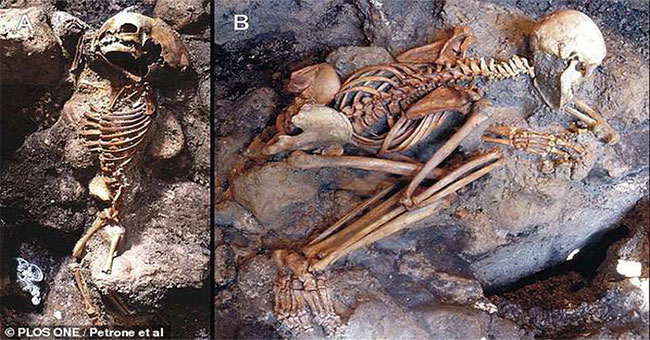
The archaeological team from Federico II University Hospital (Italy) has studied a series of ash and volcanic rock remains buried in 2,000 years in the 12 ancient rooms…
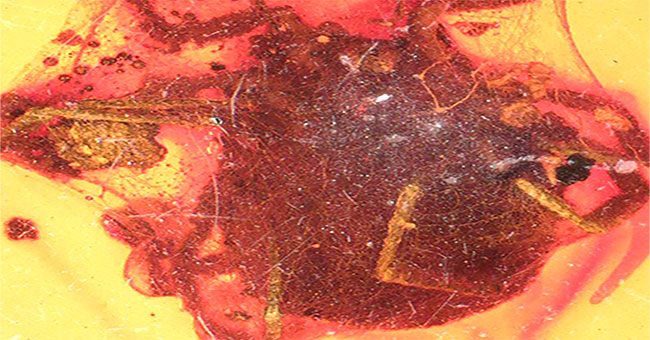
A group of scientists at the University of Kansas discovered that the body sucked blood in amber from the Cretaceous period in Myanmar, Fox News reported on June 18.