Space science
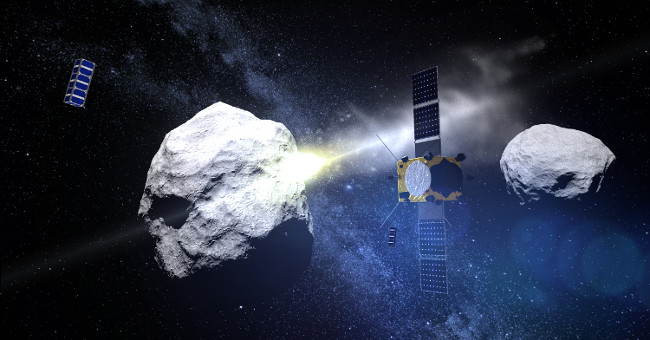
NASA's meteorite protection strategies
Currently, no weapon is strong enough to destroy an asteroid when detected in a short time, according to RT.
Browse ScienceInfo articles and explainers related to Body.
5,429 published items.
Currently, no weapon is strong enough to destroy an asteroid when detected in a short time, according to RT.

People are up for the journey to the interstellar environment outside the Solar System.

An international team of researchers identified a star that exploded many times in 50 years, challenging all human knowledge of the process of dying.
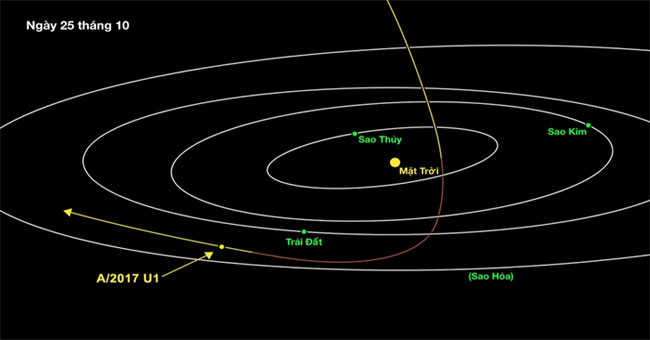
For decades, sky observers have been constantly searching for thousands of new celestial bodies, but they all have a starting point somewhere in the Solar System.
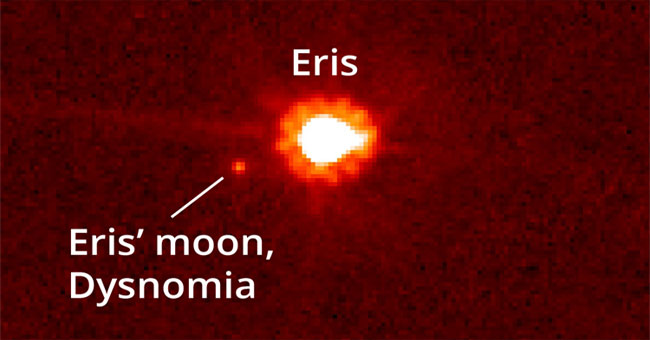
The following article will bring you the most basic concepts about the dwarf planet Eris, invite you to consult.
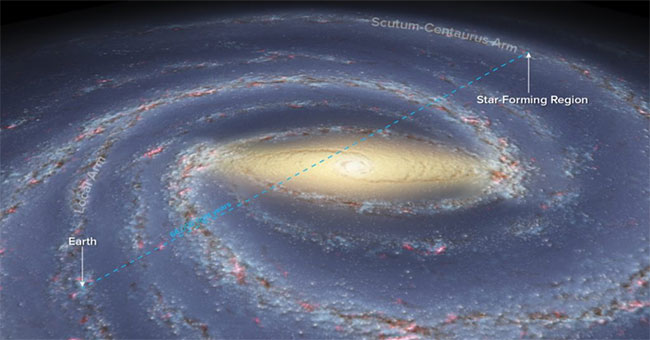
Scientists had a more precise idea to measure the distance to celestial bodies on the other side of the Milky Way than the Earth.

The following article will give you the knowledge of the Kuiper belt in the Solar System, would you please consult?

NASA astronaut Scott Kelly returned to Earth after spending 340 days in space in March 2016, according to Independent.
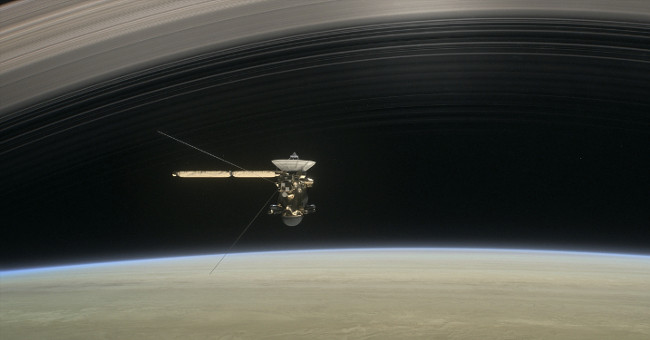
NASA controllers ordered Cassini to commit suicide by plunging through Saturn's atmosphere, according to the BBC. The ship survived for about a minute before breaking.
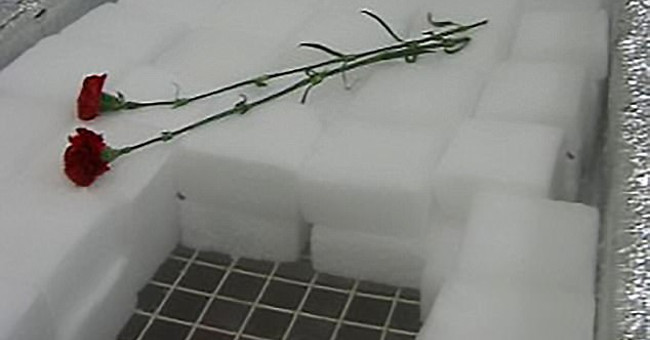
According to company experts, the land for the burial of the dead in Earth is limited, and they see the universe as

Astronomers have just observed Neptune and were surprised to discover the occurrence of a 9,000km2 storm (equivalent to Đất of the Earth's diameter).
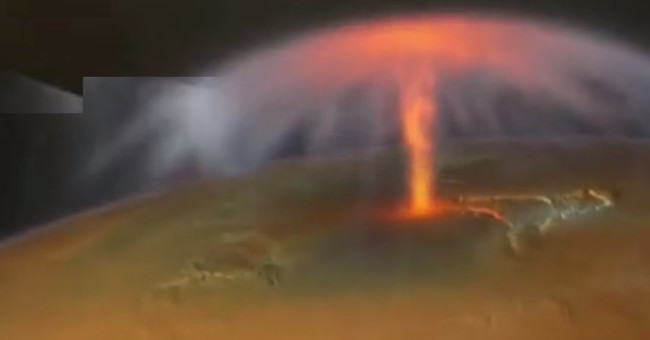
According to scientists, Jupiter's moon Io is the place with the most intense volcanic activity, but the surface of this celestial body is so cold that it can kill all l…
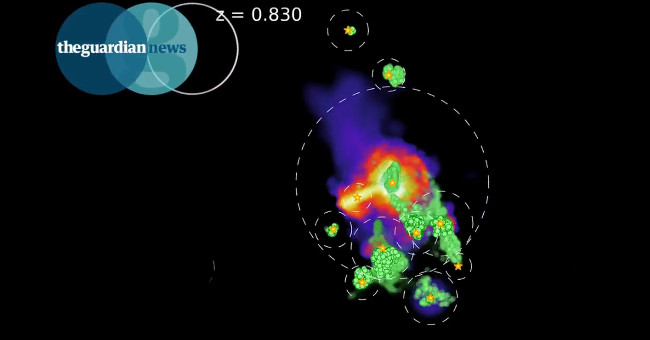
US scientists point to the possibility that half of the body's material is derived from supernova explosions in satellite galaxies smaller than the Milky Way galaxy.
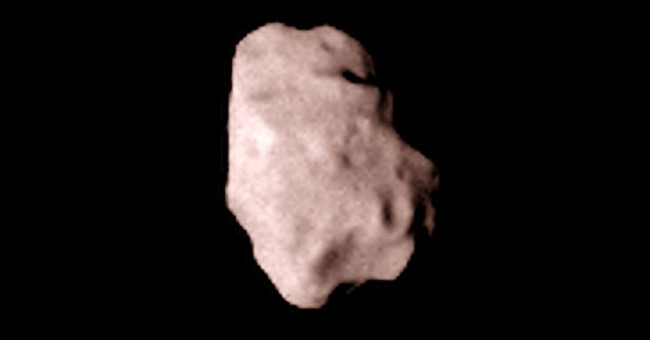
Asteroids, small planets are synonyms for a small group of celestial bodies floating in the solar system in orbit around the Sun.
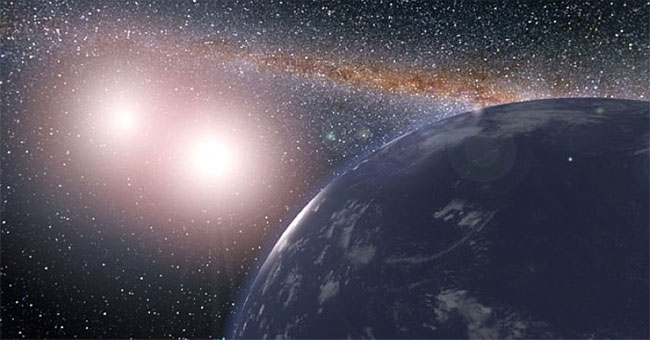
NASA's Kepler Space Telescope discovered 219 new planet candidates and 10 of them could fit life.