Space science
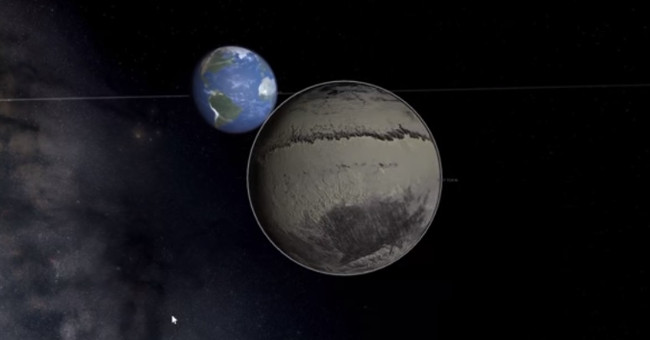
Suddenly discovered a new moon in the Solar System
Scientists say the Hubble Space Telescope has discovered a new moon in our Solar System.
Browse ScienceInfo articles and explainers related to Body.
5,429 published items.
Scientists say the Hubble Space Telescope has discovered a new moon in our Solar System.
The US Postal Service will issue capable stamps
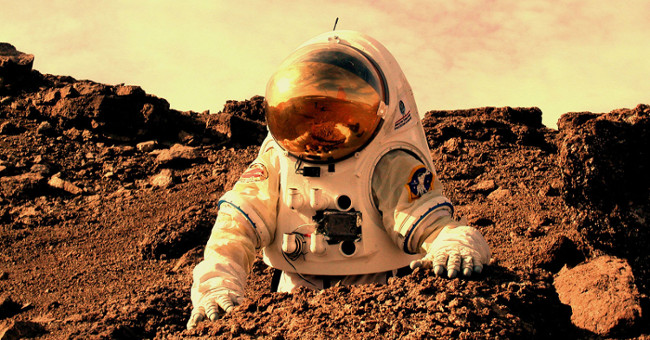
The larger the length of the journey, the more difficult it becomes to control. After all, what did the astronauts suffer?
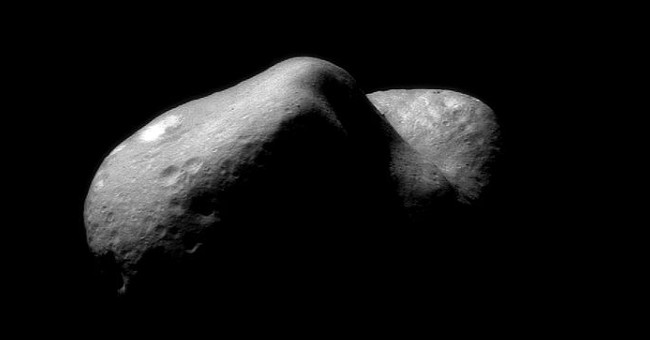
Asteroids, small planets are synonyms for a small group of celestial bodies floating in the solar system in orbit around the Sun.
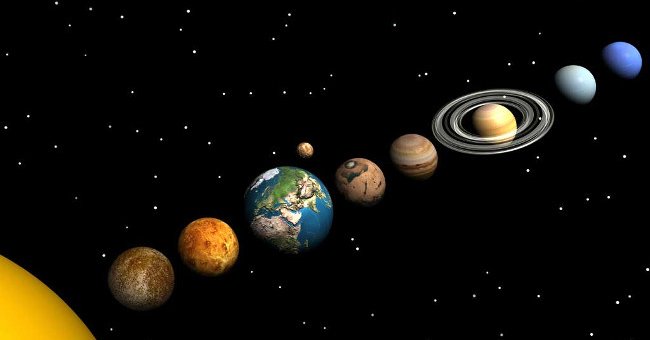
If crafting a spacecraft moving at light speed of 1,080 million km / h, humans could explore distant planets in the solar system in just minutes.
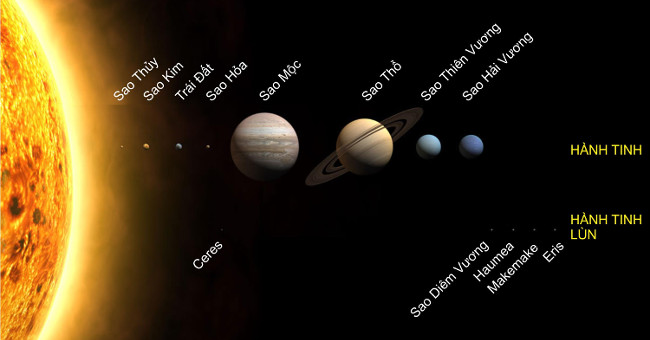
Earth and neighbor planets, along with asteroids, dwarf planets, meteorites, comets ... belong to the solar system (solar system) with the Sun at the center of this syst…
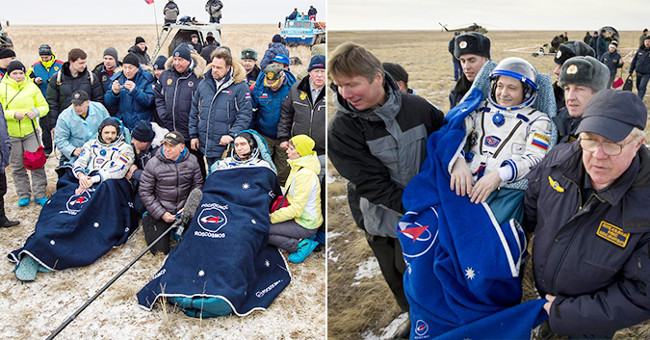
Not only are they subjected to height changes, astronauts also have to deal with other major changes in the body in a zero gravity environment.

NASA intends to bring people to Mars by 2030 and has begun to check astronaut limits.
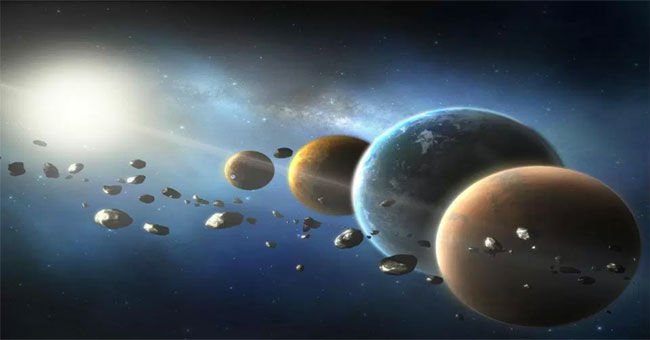
The US Aeronautics and Space Administration (NASA) will begin its mission to explore the 16 Psyche asteroid that contains iron and nickel worth $ 10 billion by 2023.
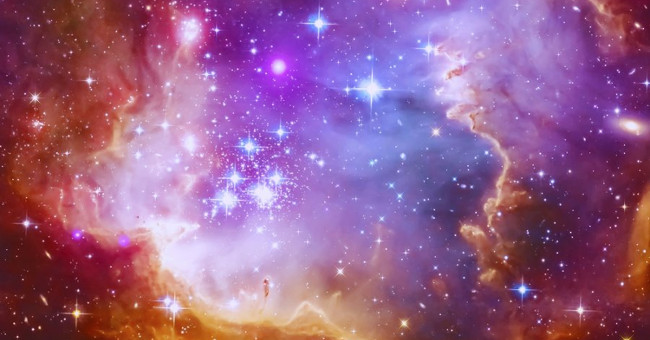
The nebula is a celestial body in the form of cloudy clouds consisting of stellar gas and cosmic dust. The proportion of matter in the nebula very low. If measured by th…
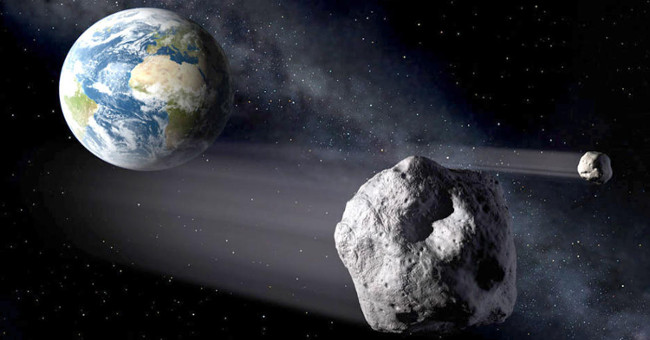
Large celestial bodies will approach the Earth at high speed tomorrow but will not collide with our planet.
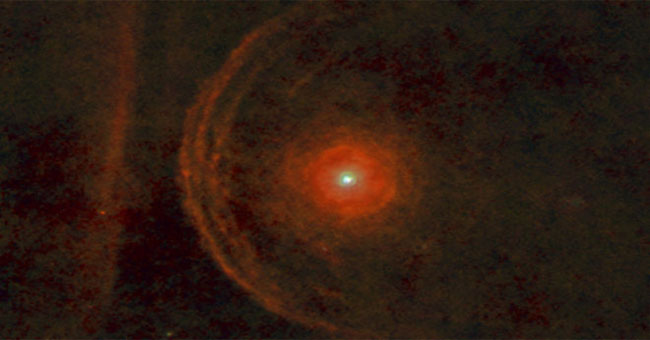
The star Betelgeuse 10 million years old with a diameter of more than 1.3 billion kilometers may have swallowed a companion mass with the mass of the Sun.
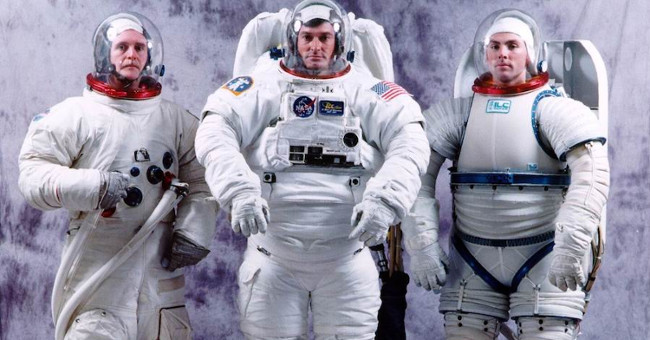
Not only are they able to provide oxygen, regulate body temperature, or even support the hygienic conditions, astronaut suits also function to protect against debris fly…
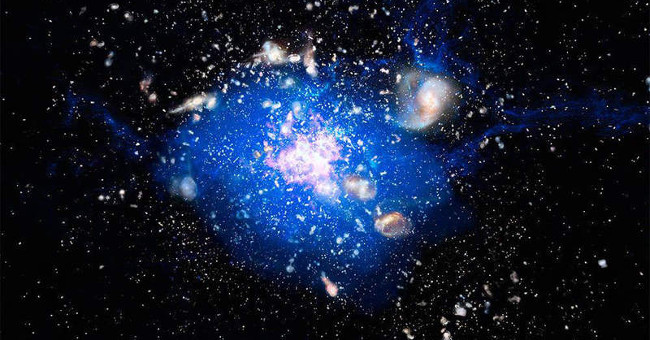
An international team of researchers observes the formation of galaxies from the cold gas of -200 degrees Celsius in the universe.
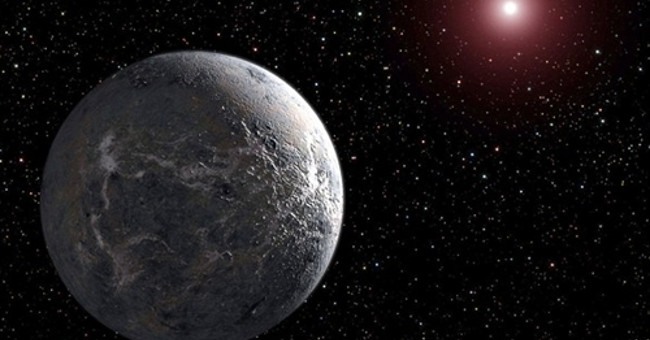
The object named K2-3d is 150 million light-years away from Earth and is likely to exist in life.