
New technology
Artificial Neuralgia delivers life for prosthetic limbs
US scientists have successfully tested an artificial neuralgia, which is expected to help people with disabilities feel the heat and cold through artificial limbs.
Browse ScienceInfo articles and explainers related to Brain.
2,956 published items.
US scientists have successfully tested an artificial neuralgia, which is expected to help people with disabilities feel the heat and cold through artificial limbs.

SmartCap is a smart hat designed to read brain waves and prevent the driver from falling asleep on the steering wheel.
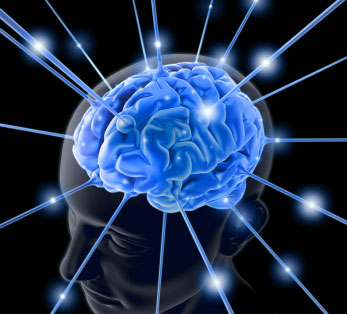
Toyota Motor Corporation said it has developed a wheelchair control method by recognizing brain waves. The user does not need to use muscle, not even uttering his reques…

The robot knows how to open the door and finds the electrical outlet to recharge itself. Computer viruses can't stop ... Modernizing these machines is worrying many scie…

The National Association of Science (NAS) has just released a report evaluating the applicability of neuroscience and science to create superior warriors.

Honda has introduced a new technology that allows people to command robots by thinking without using a remote control or using a voice.

Recently, British scientists have successfully created a sex chip (sex chip) capable of stimulating pleasure control centers in the brain.

With two cameras and a rubber dummy, scientists can deceive the brain causing the person to do the wrong thing.

Japanese scientists have found a technique that can help to capture the images that people see from brain activity and display them on the computer.

British scientists have successfully created a type
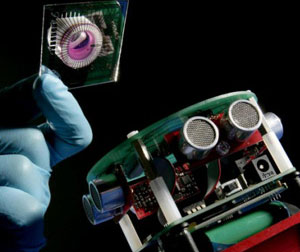
It sounds like science fiction, but it's a real robot made by experts at the University of Reading (UK).
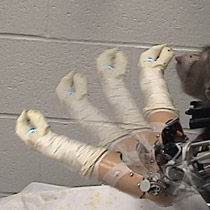
Researchers at the University of Pittsburgh have succeeded in teaching monkeys to use robotic arm by thought, opening up new hope for people with disabilities or paralyz…
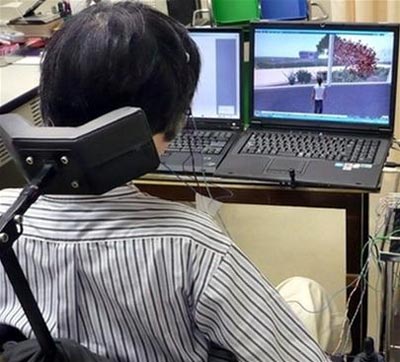
For the first time, a man with paralysis but still active brain waves has created a virtual character online, according to Japanese researchers.
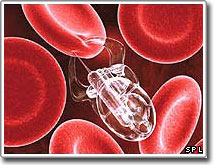
Machines will have human-like artificial intelligence by 2029, which is predicted by Ray Kurzweil, the top inventor of the United States.
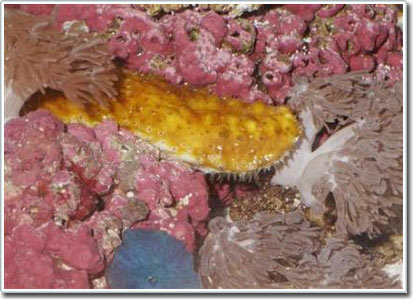
A new material inspired by the defense mechanism of sea cucumbers can vary from hard to mild soft, a characteristic that makes it suitable for medical transplants. When…