
New technology
Play games with thoughts
British scientists teach monkeys control the arms of a computer-literate character by their minds, a scientific breakthrough that can be useful to the disabled.
Browse ScienceInfo articles and explainers related to Brain.
2,956 published items.
British scientists teach monkeys control the arms of a computer-literate character by their minds, a scientific breakthrough that can be useful to the disabled.
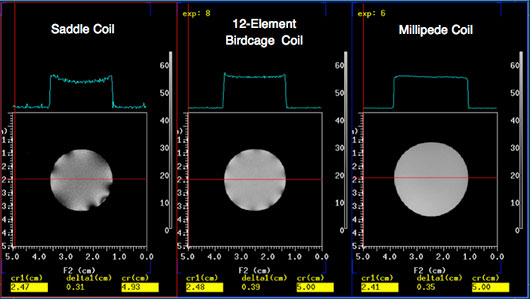
Using functional magnetic resonance imaging (fMRI) and computer simulated models, researchers working at the University of UC Berkeley in the United States have succeede…
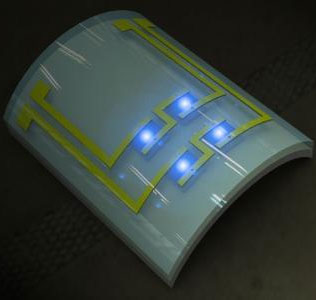
A flexible LED can be placed on the heart, brain, blood vessels to diagnose, even to treat various diseases?
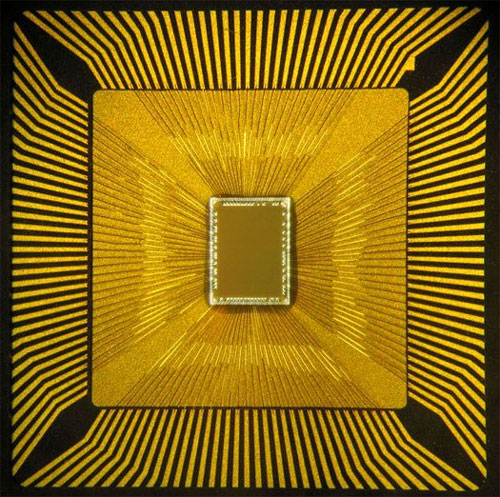
How to subtly recreate human fragile brains by synthesizing solid metals and silicon?
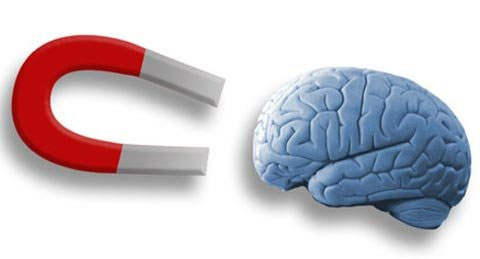
A team of researchers in Estonia says they can use magnets to impact a person's brain to make him or her unable to lie.
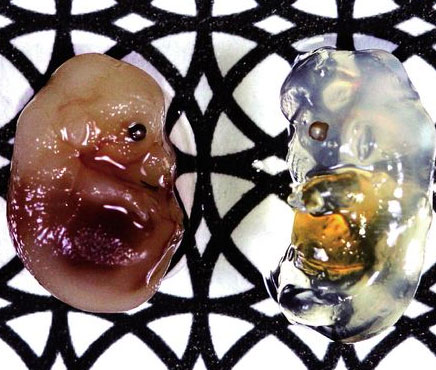
Scientists have successfully created a chemical that transforms the fetus and body parts into transparent blocks, allowing us to observe many activities in the living bo…
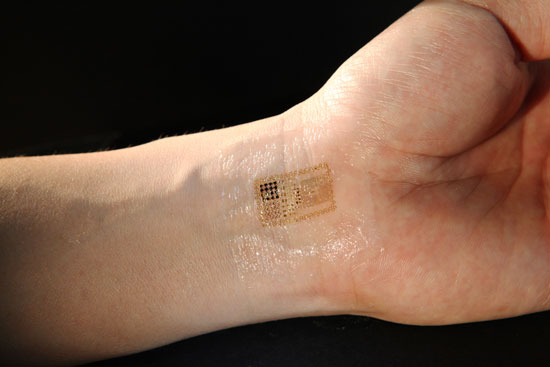
Professor Todd Coleman, who works at the Department of Biotechnology at the University of California, San Diego, has demonstrated that the device is thin, flexible, colo…

Accident prevention will increase if drivers stop thinking with their vehicles instead of using their feet, German scientists say.
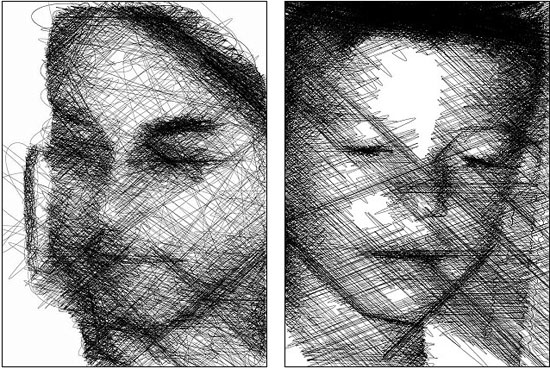
An English painter has trained a robot to portray people like their abilities.
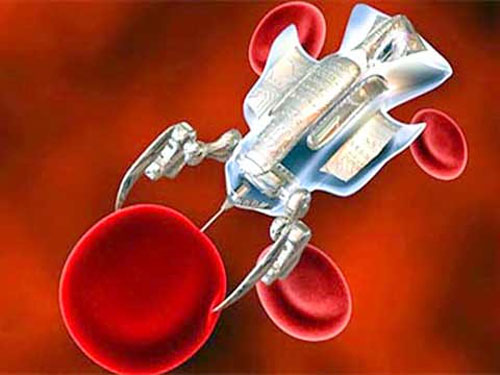
The future of human life will change drastically, surprisingly with the boom of nanotechnology combined with biotechnology. Every human being is a combination of living…
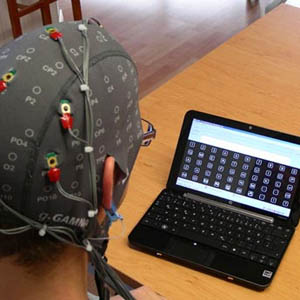
For people suffering from spinal injuries or illnesses that can not move their arms or are mute, a special device called intendiX will help them spell words based on bra…
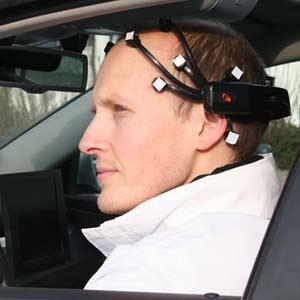
Scientists specializing in brain research have developed a car that can be controlled entirely by mental strength.

US scientists have successfully invented a sensor system attached to the fence, which can identify suspects who are trying to cross this protective network.
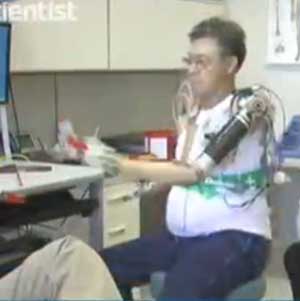
For Jesse Sullivan, his prosthetic arm was particularly intelligent as it was controlled by the mind of the owner.
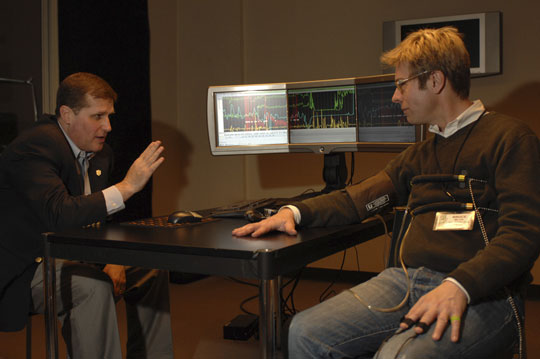
Scientists at the University of Oxford, UK, to study new generation lie test technology can improve test accuracy.