
Medicine - Health
4 easy-to-eat foods, many people eat and boil water 10 times to sterilize it is useless
Cancer has become the number one killer of human health, in which many cancers come from eating out.
Browse ScienceInfo articles and explainers related to Cancer.
2,481 published items.
Cancer has become the number one killer of human health, in which many cancers come from eating out.

In everyday life, people cannot avoid diseases from mild illness to severe illness.

According to international botanists, this beautiful fruit belongs to the plant family without the sap. It has an international name as lychee / litchi.

Research by scientists from the University of Ottawa (Canada) aims
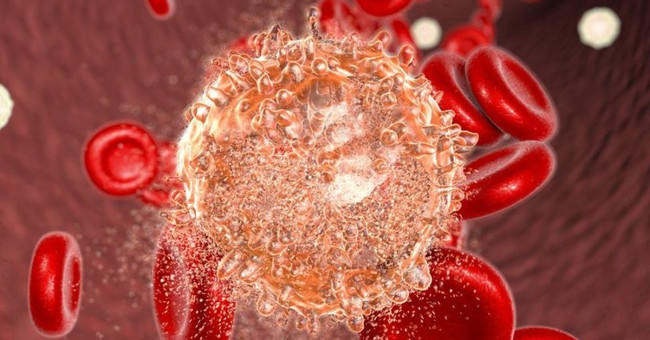
Acute myelogenous leukemia is a common form of blood cancer in children that has not been identified by the scientific world.
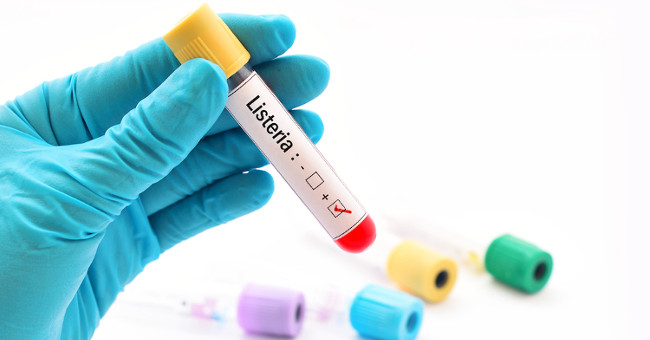
Lead researcher Dr. Eric Klein said this blood test targets a protein called PSA. PSA will increase if there is a tumor.
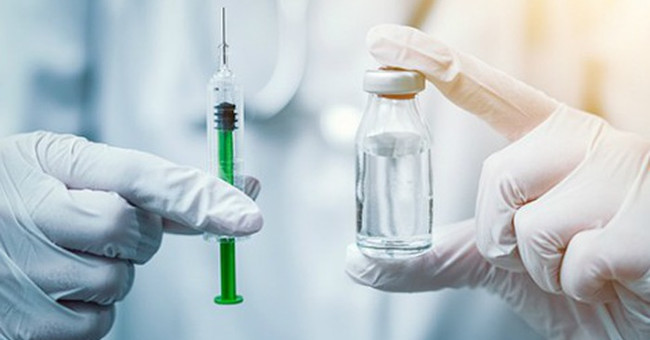
Viagra, the most common erectile dysfunction drug may soon be replaced by a stem cell injection therapy created by a group of scientists from the Danish Center for Repro…
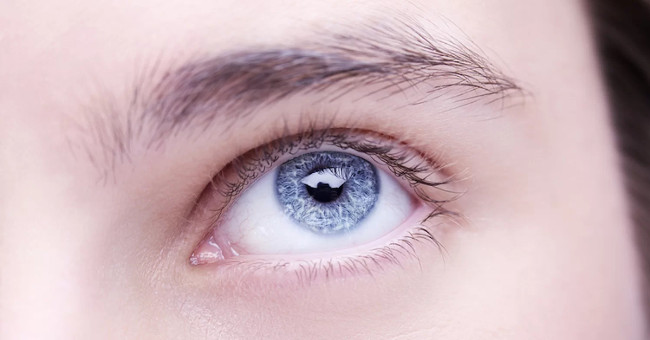
According to the American Institute of Ophthalmology (AAO), this type of eye cancer usually affects only 6/1 million people every year. So dozens of shifts and discoveri…

Many people believe that using rhino horn can cure cancer. However, scientists claim, there is no evidence that rhino horn cure cancer.

The Mirror has just summarized common symptoms when a person suddenly stops sex through scientific research from around the world.
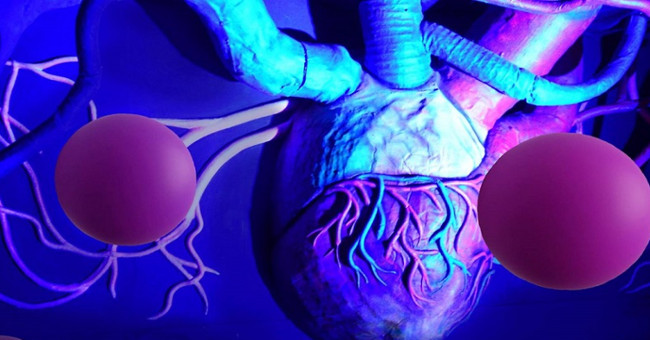
The finding was published by the team, led by scientists at New York University School of Medicine, in Scientific Reports on March 27.
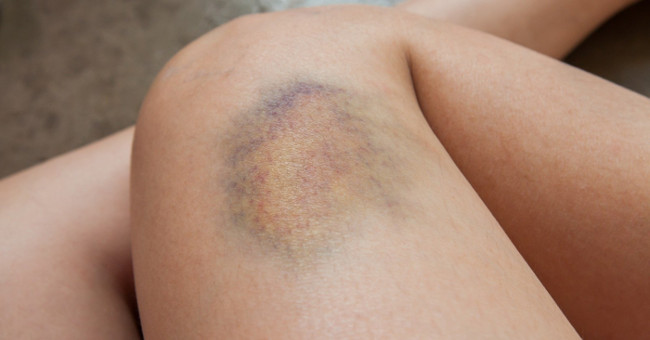
In rare cases, bruising is a sign of blood cancer, bone marrow cancer or lymphoma cancer.
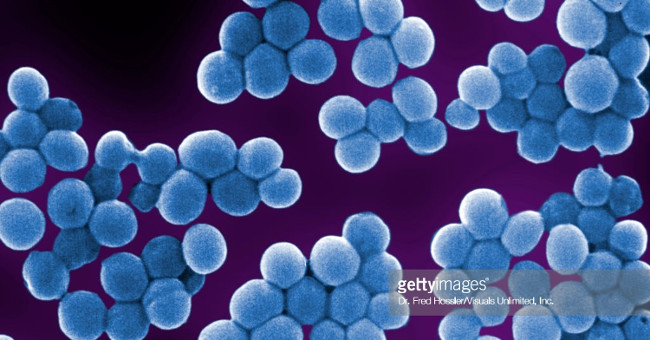
This is the latest study published on February 28 in the American Journal of Science Advances.
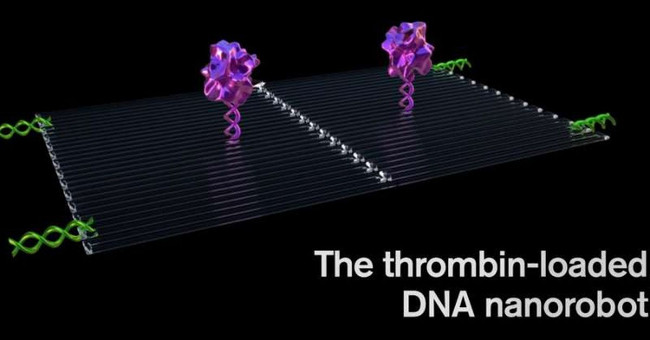
Within 24 hours of entering the mouse, the nano robot blocked the blood supply in the tumor and destroyed tumor tissue without any side effects on healthy tissue.

Fingerprints - which are used to break sentences, can help detect risk factors before symptoms appear.