Medicine - Health
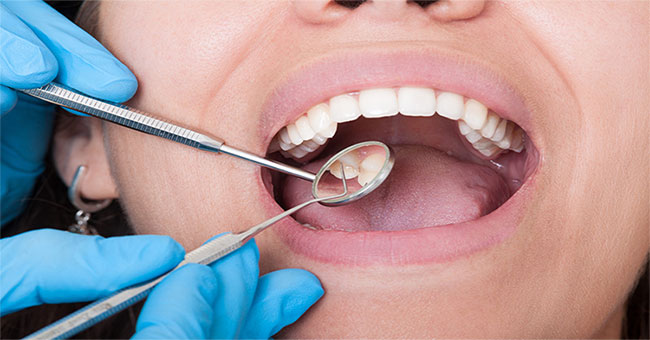
Why should a dental examination be performed before cancer surgery?
The possibility of postoperative pneumonia or death within 30 days after surgery will be reduced if the patient is examined and treated earlier by the dentist.
Browse ScienceInfo articles and explainers related to Cancer.
2,481 published items.
The possibility of postoperative pneumonia or death within 30 days after surgery will be reduced if the patient is examined and treated earlier by the dentist.

Apples are fruits

Allyl isothiocyanate mustard seeds, phenethyl, melatonin ... help the body fight aging, antibacterial, inhibit the formation of cancer cells.

American research shows that women who are sensitive to bitter taste have a higher risk of cancer than those who eat.

The World Trade Center federal health program, the US said nearly 10,000 people had cancer due to the terrorist attacks on September 11, 2001.

Non-alcoholic drinks, containing lots of vitamins, are prepared with a sweeter taste for cancer patients who suffer from taste damage due to chemotherapy.

Stroke is the third most serious disease after heart disease and cancer.
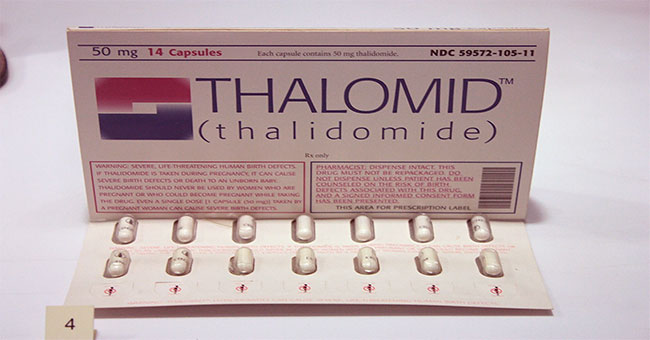
60 years since Thalidomide was determined to cause more than 100,000 fetuses to die, more than 10,000 babies were born with birth defects, so far the cause is clear.

Smoking can cause serious harm, but there are still many other dangers that you have never been interested in.

According to Professor Dao Van Long, former head of the Department of Gastroenterology, Bach Mai Hospital (Hanoi), gastrointestinal cancer is the third most deadly cance…

Broccoli is rich in protein, vitamins and beta-carotene (precursor of vitamin A). Its nutritional value ranks first among similar vegetables. However, its greatest value…


New research published by Queen's Belfast University (Northern Ireland, UK) shocked many people who were determined to say no to alcoholic beverages.
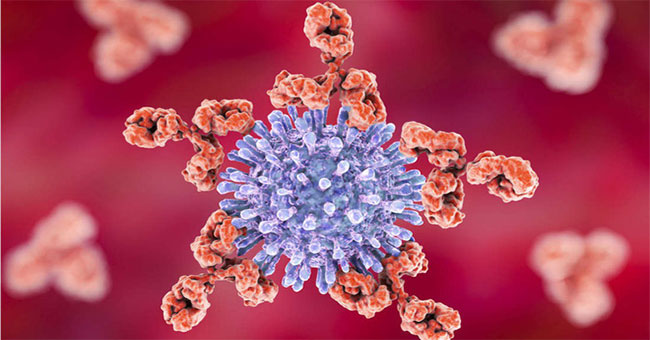
The problem of the 21st century is cancer, but not so that people take lightly another disease of the century as HIV / AIDS.
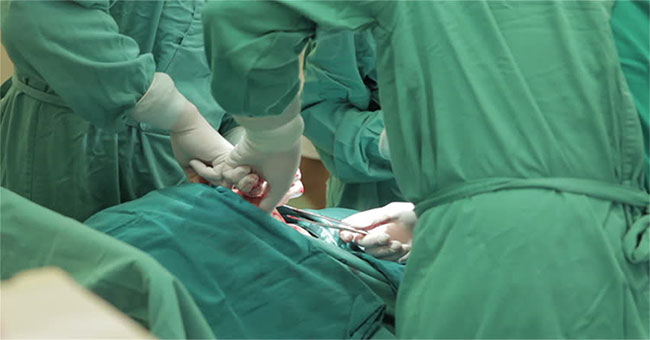
Gynecological surgery will cause pain or discomfort for the patient. This feeling decreases with time and may be used if needed.