
Animal world
10 cute animals are 'beasts' cannibalistic
Dressed in an extremely cute appearance, few would expect these animals to be ruthlessly carnivorous, even their children.
Browse ScienceInfo articles and explainers related to Cats.
353 published items.
Dressed in an extremely cute appearance, few would expect these animals to be ruthlessly carnivorous, even their children.
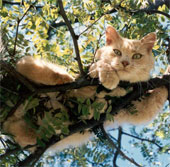
Cats are cute pets that have been domesticated for thousands of years. However, there are still many interesting things about them not everyone knows.
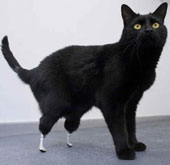
Cats are animals that have been used in scientific research on cloning, prosthetic implants directly or put into space.

Drinking water is a simple action of dogs and cats, but only using the tongue, but the methods of these two animals are very different.

The straight-up cat's tail expresses confidence, while the curled tail like a question mark is a sign of friendliness, and tails mean fear.

Mustache is one of the most important parts of a cat, so if you have a whisker, your cat will not be able to function normally.
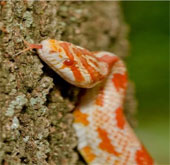
A new study found that some snakes do not seem like other cats capable of climbing trees very skillfully.
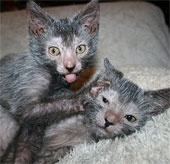
Cats with special sparse fur, which can cross between cats and wolves but act like dogs.

Cats and dogs have a sixth sense - and that is the ability to see ultraviolet rays (but scientists don't know how they are used).
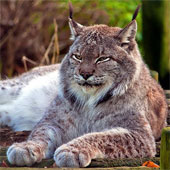
Snow lynx, the scientific name is lynx, is a genus containing four species of giant wild cats, which are equal in weight to some leopard species, from 20 to 30 kilograms.

Cat eyes have a wide viewing angle of 200 degrees and rod cells are 8 times more than human eyes, so it is capable of looking good at night.

The introduction of animals such as cats, chimpanzees, mice ... into space according to space exploration plans is considered a stepping stone to achieve the goal of bri…
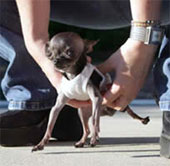
Contrary to common sense, some animals are smaller in size, making them
In the 1960s, CIA officials wanted to find an effective and secret way to record the content of foreign officials' talks in the US, Scientific American reported.