
Medicine - Health
Why are more and more new viruses threatening humans?
Population explosion, climate change, deforestation are the causes of humanity facing new dangerous viruses such as Zika, MERS and SARS.
Browse ScienceInfo articles and explainers related to Climate Change.
1,056 published items.
Population explosion, climate change, deforestation are the causes of humanity facing new dangerous viruses such as Zika, MERS and SARS.
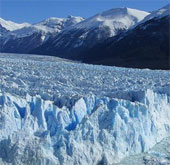
Peruvian scientists warn that the country's glaciers are in danger of disappearing due to negative effects of global climate change.

New research by Japanese scientists shows that male fetuses are vulnerable to extreme climate change.

Australian Medical Journal recently published a new study that there is a lot of evidence that the exploitation and burning of coal is very harmful to health and can ser…

The latest research shows that Southeast Asia is currently one of the fastest growing regions in the world. However, 600 million people in this area are also facing heal…

The amount of pollen in plants has increased in the last few decades due to the greenhouse effect, which has led to an increase in the number of pollen allergies.

People are suffering from many diseases: multidrug-resistant viruses, cancer, radiation, climate change; as well as always wishing to be young, long-lived.

Many people ask the question, what if one day the whole world boycotted meat - instead everyone just ate vegetables?

Disaster comes mainly from nature, such as meteorites or super volcanoes, or because the earth gets warmer or the environment is destroyed. But there are also causes fro…

American 11-year-old Peyton Robertson touched the highest award in the creative competition for young Scientists Challenge scientists.

Currently most countries, including Vietnam, are looking for effective solutions and strategies to mitigate impacts and adapt to climate change.
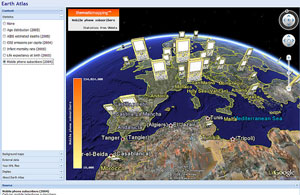
Google has unveiled the Google Earth Engine tool to help researchers better track and analyze environmental changes.
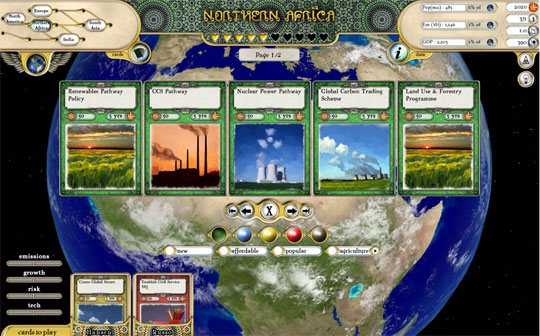
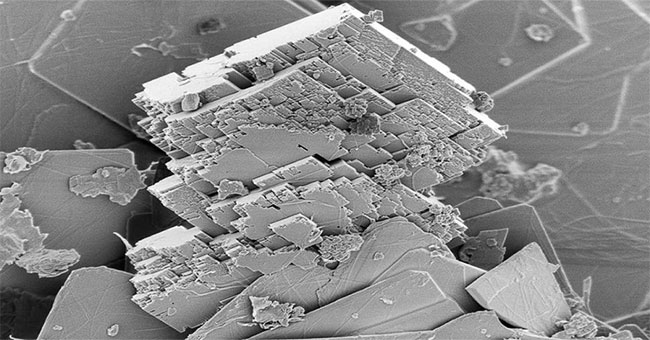
Although this study is only in the preliminary stage, scientists are optimistic that this is a big step in reducing greenhouse gas emissions.
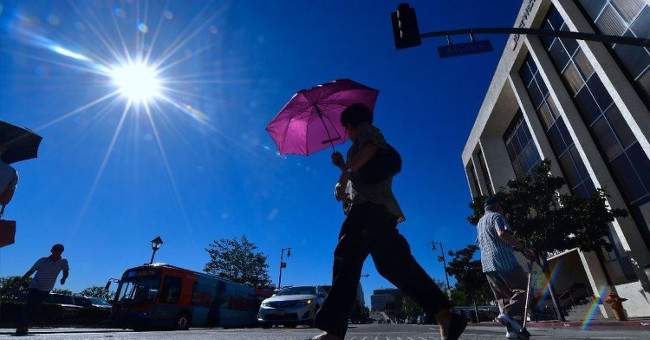
The idea of solar geo-engineering is relatively unobtrusive, but the technology is slowly coming