Environment
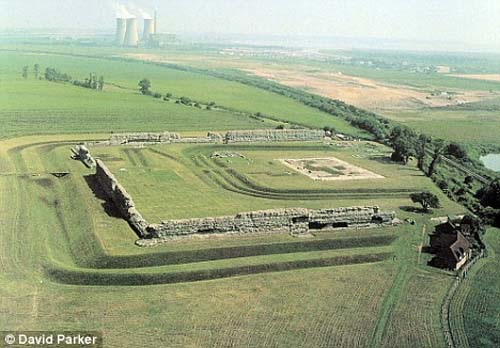
The warm summer makes the Roman Empire prosper
A new study by the Swiss Federal Research Institute recently published by the American journal Science shows that warm summers are probably the key to the Roman Empire's…
Browse ScienceInfo articles and explainers related to Climate.
1,891 published items.
A new study by the Swiss Federal Research Institute recently published by the American journal Science shows that warm summers are probably the key to the Roman Empire's…
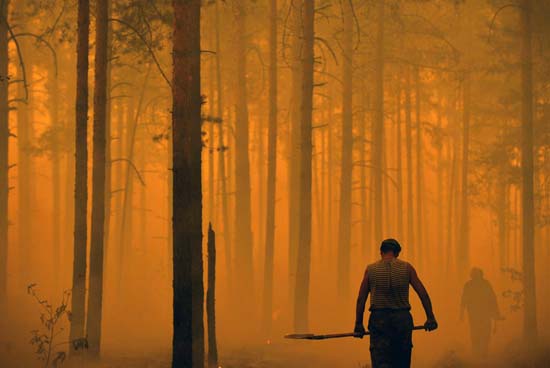
World Meteorological Organization (WMO) announced in 2010 that it was the hottest year since the United Nations monitored the average annual temperature.
Successful organization of ASEM Forum on Responding to Climate Change is one of 10 outstanding environmental events in 2010.
Global climate change is one of the topics that many people mention and discuss. However, among the numerous notions, opinions, also true, wrong, conception is the truth…
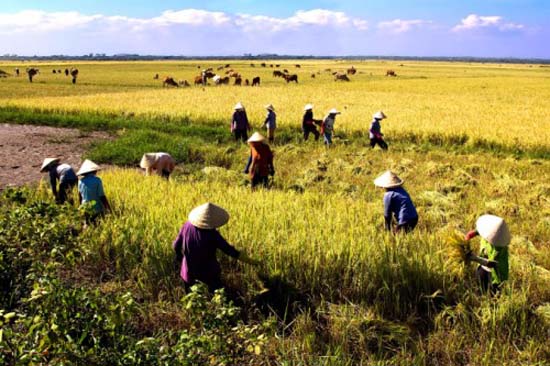
In recent years, global climate change (CC), sea level rise is forecasted to be a disaster for the Mekong Delta, the country's granary.

The northeast monsoon winds coming back tomorrow will make the North prolong the cold, damaging cold days. Mountains can have frost and frost.
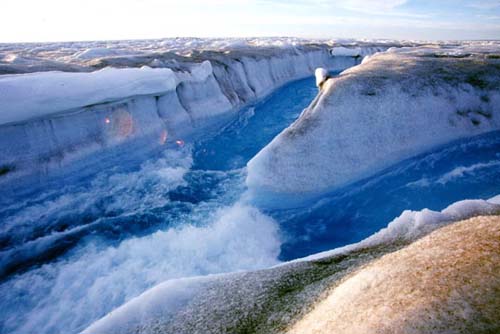
The impact of elevated CO2 levels on Earth's atmosphere will create unstoppable effects on the climate for at least 1,000 years.
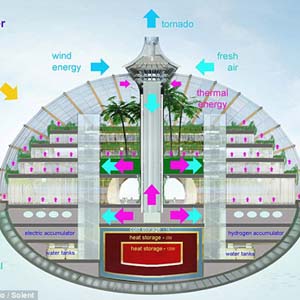
Russian architects have designed a body-like dome of a snail, which can float freely on the seas, which can effectively cope with rising sea levels due to climate change…
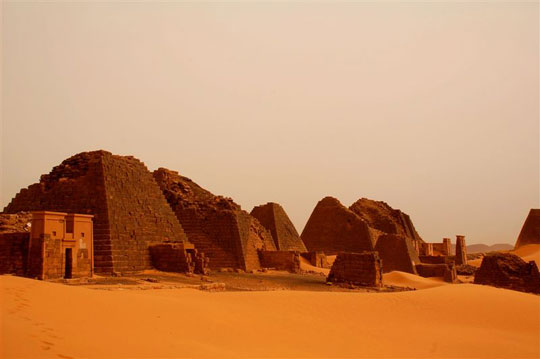
The warming of the earth caused many pyramids to be buried under sand, mummies in decomposed ice and collapsed temples.
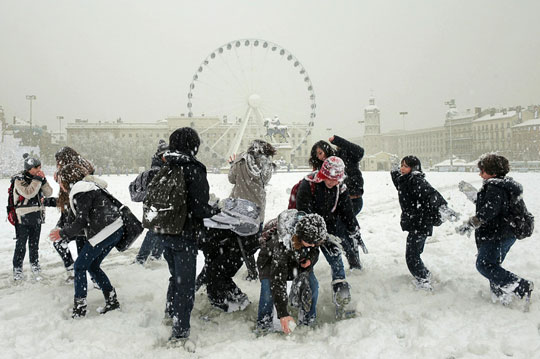
For more than a month, many European countries have been attacked by snowstorms and cold. Temperature in many places has reached the lowest level in the last 10 years.
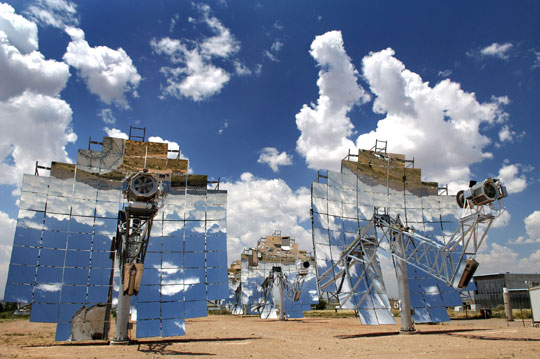
The US Environmental Protection Agency (EPA) will set standards for power plants using fossil fuels and refining facilities.
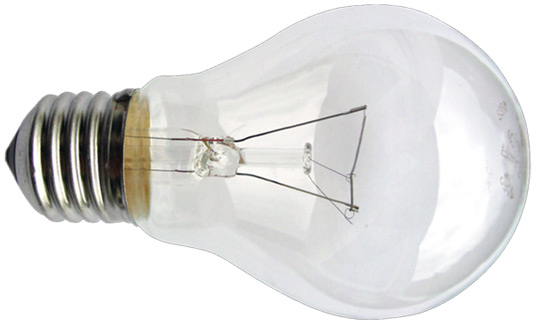
The United Nations has called on countries around the world to ban the use of traditional incandescent bulbs to cope with the current complex climate change phenomenon.

The UN warns climate change is making Earth, the common home of humankind, increasingly vulnerable to organic substances.
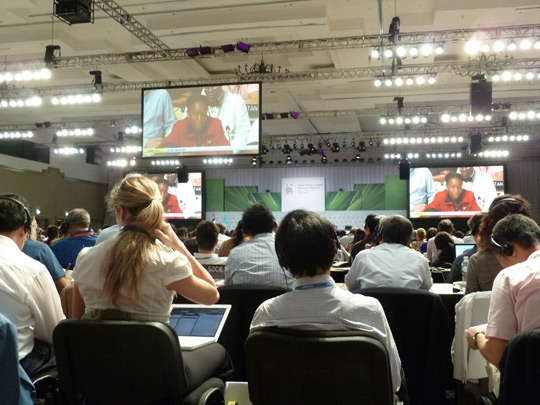
COP 16 countries have not found a common voice in the key issue, including the Kyoto Protocol and emission reduction mechanism.
Germany will invest 3 million euros for the project