Space science
The explosion of cosmic light was struck by two young stars
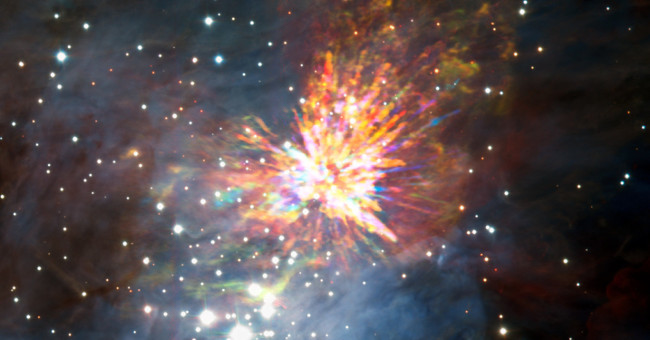
Astronomers of the ALMA Observatory, Chile, recorded brilliant moments like fireworks when the two stars collided 500 years ago, creating a giant explosion.
Browse ScienceInfo articles and explainers related to Constellation.
287 published items.
Astronomers of the ALMA Observatory, Chile, recorded brilliant moments like fireworks when the two stars collided 500 years ago, creating a giant explosion.
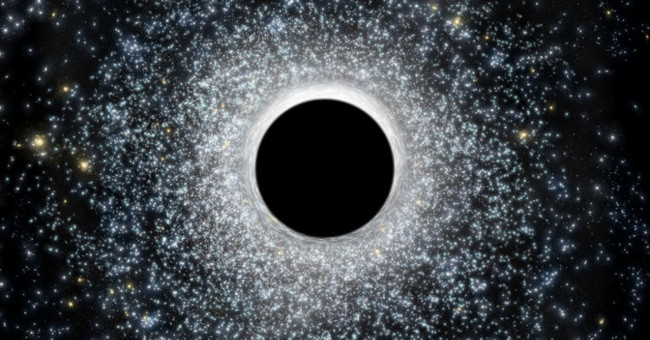
The researchers have found evidence of a new type of black hole, which is 2,200 times the mass of the Sun, hidden in a dense cluster.
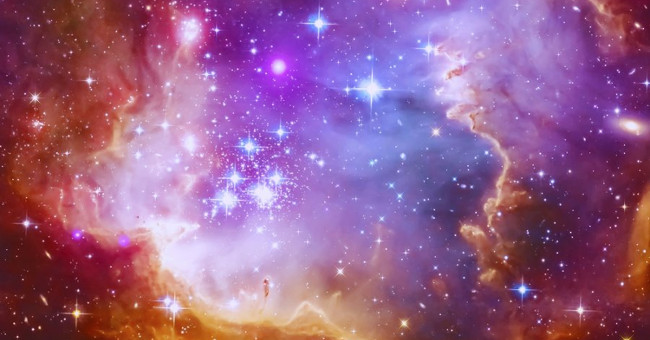
The nebula is a celestial body in the form of cloudy clouds consisting of stellar gas and cosmic dust. The proportion of matter in the nebula very low. If measured by th…
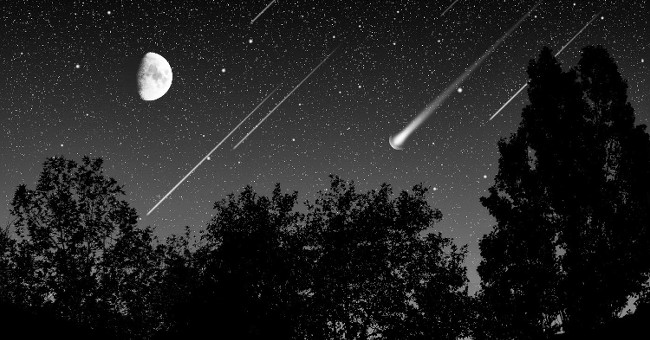
Tonight, tomorrow morning (January 4), the meteor shower with the frequency of up to 50 - 100 streaks / hour will
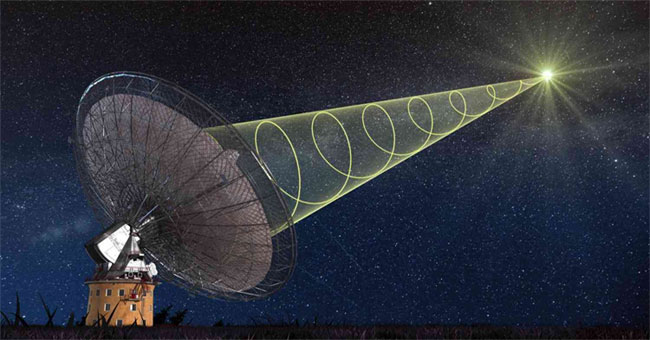
Strange radio waves discovered from the Auriga constellation last only a few milliseconds, sparking the hypothesis that they were emitted by aliens to contact Earth.
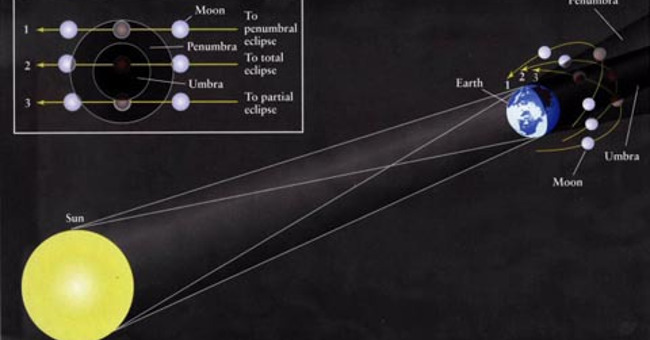
Meteor shower or eclipse are astronomical events in 2017 that Vietnamese people can observe.
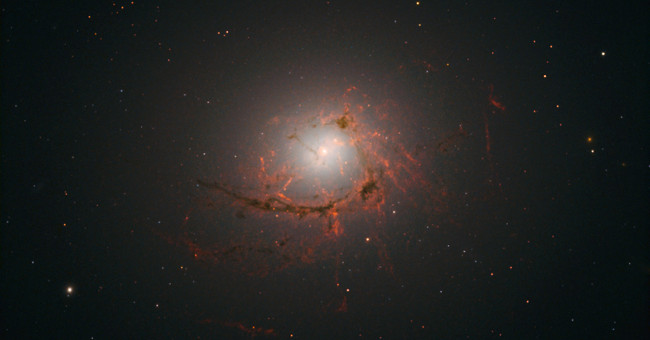
British astronomers discovered a supermassive black hole digesting the brightest galaxy of Sagittarius, causing it to die from within.
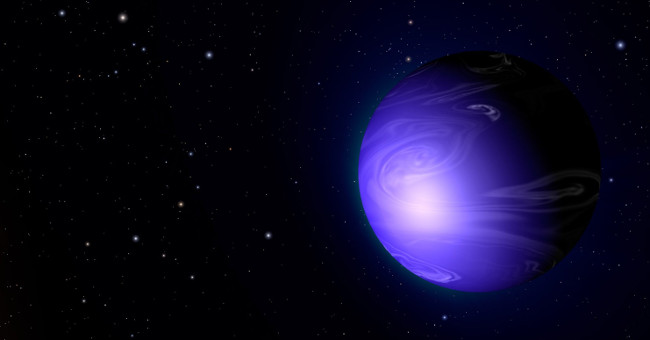
The study of Swiss astronomers indicates extraterrestrial HD 189733 b has the harshest weather in the universe.
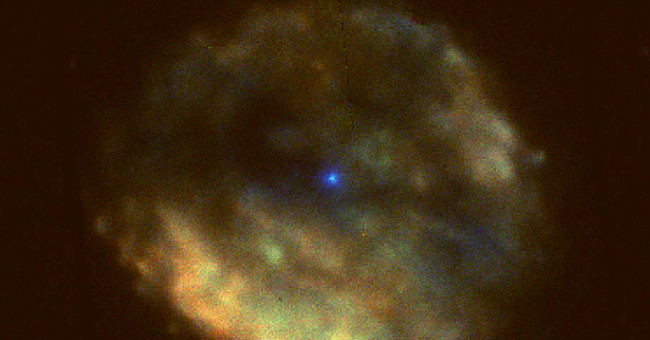
An unexpected infrared light source from a supernova remnant is surprising to astronomers.
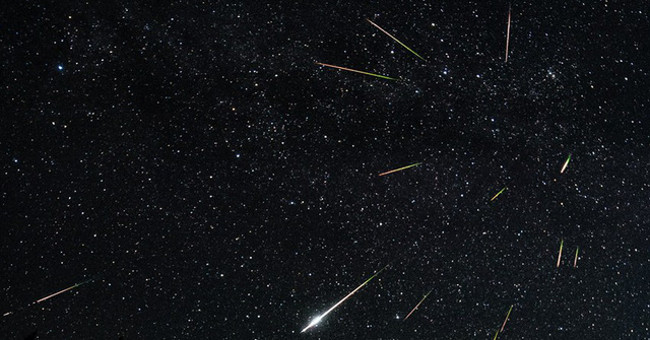
Perseids, one of the two biggest meteor showers in the year, reached 200 streaks / hour about to happen and this phenomenon can be observed in Vietnam.
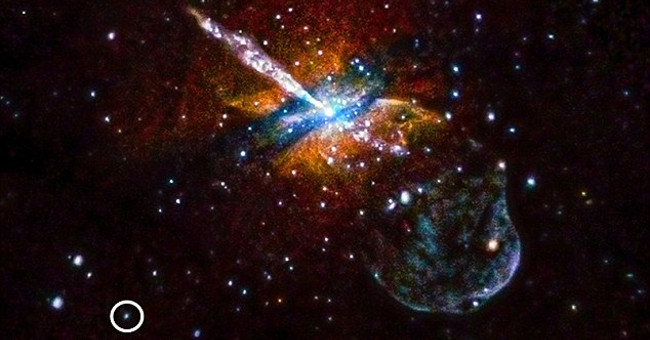
American astronomers discovered from the data stored two mysterious light sources flashed a total of 6 times and lasted for a minute before dissolving.
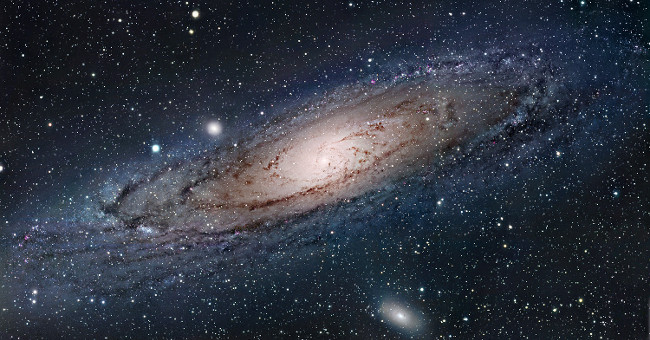
So far, the vast cosmic world still contains many mysteries that modern science has yet to discover.
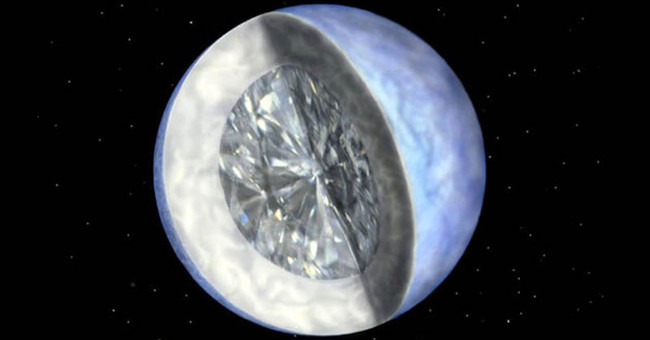
The astounding astronomers discovered a bright glittering object in the sky that is a diamond star
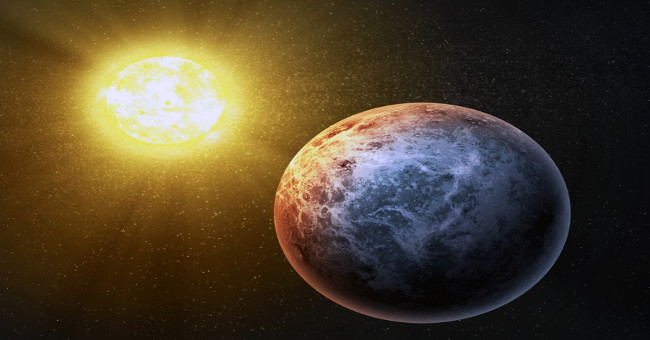
Strange signals emanating from the Sun-like star called HD 164595 are 95 light-years away.
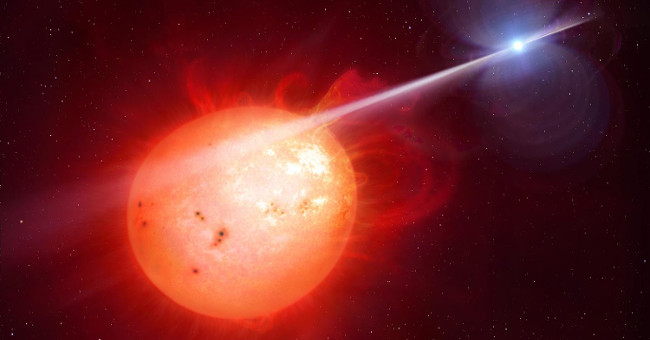
Beyond that vast universe, at the Scorpius constellation (Scorpius), 380 light years away, there is an extremely strange star. Star named AR Scorpii.