Space science
Discover a human planet that can live
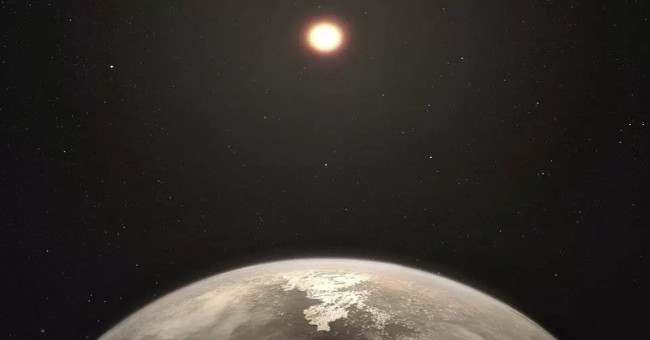
The Southern European Observatory (ESO) said on November 15 that it has discovered an exoplanet planet that has conditions for human survival.
Browse ScienceInfo articles and explainers related to Constellation.
287 published items.
The Southern European Observatory (ESO) said on November 15 that it has discovered an exoplanet planet that has conditions for human survival.

Recently, the Southern European observatory has discovered that a planet outside the Solar System has favorable conditions for human beings to live, and they call the pl…
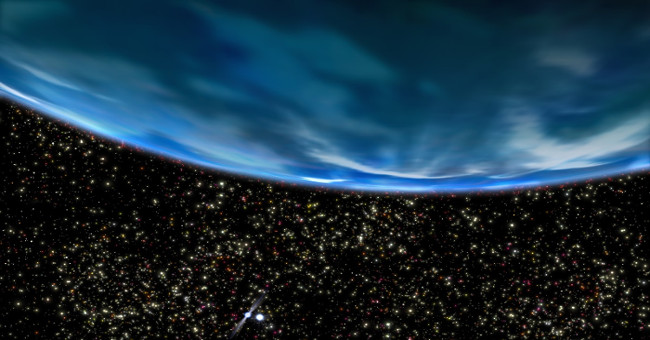
With an estimated life expectancy of 12.7 billion years, the planet called PSR B1620-26b holds the oldest known planetary record.
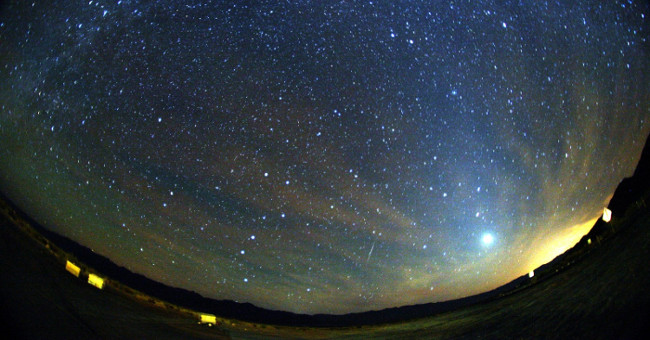
Astronomers in Vietnam can observe the rain of Orionids reaching the peak on the night of 20, dawn on October 21.
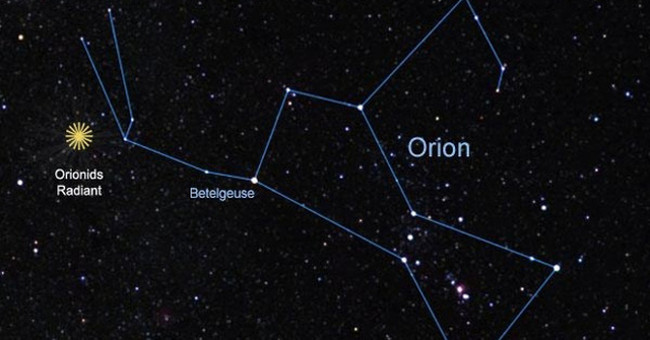
This year, if the weather permits, we will be able to see many long and bright shooting stars with a density of about 20 meteors per hour.
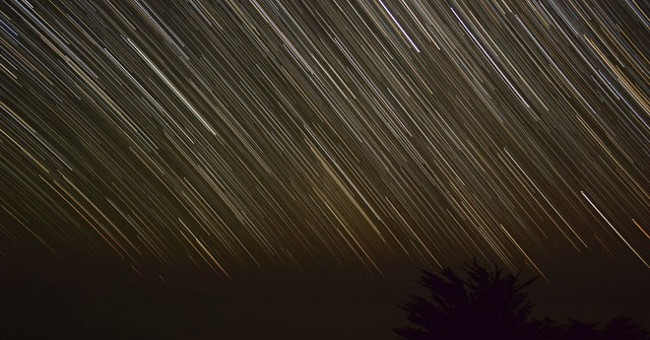
In the dawn of October 21, Vietnamese astronomers could observe Orionids meteor shower - a medium-sized meteor shower with about 20-30 meteors per hour.
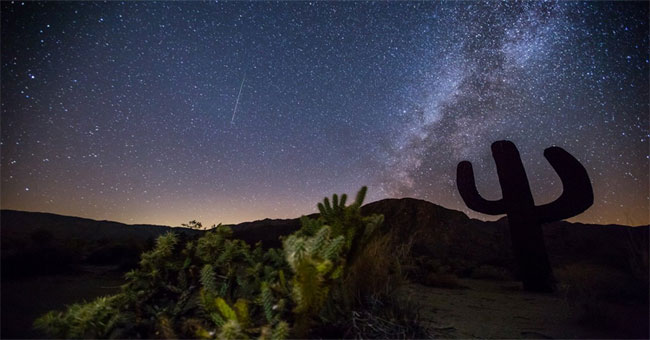
Delta Aquarids is an average meteor shower, stemming from the dust remnants of Marsden and Kracht comets.
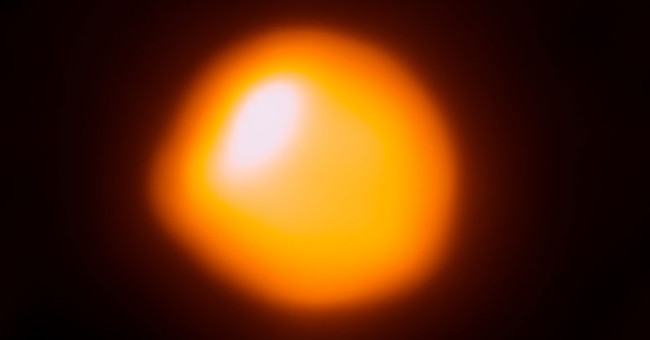
When the red giant star is 1,400 times larger than the Sun explodes, the light emitted can be observed from above the Earth.

12 zodiacal constellations and legends about them. Have you ever wondered where the beautiful symbols representing your zodiac origin? Knowing the constellations secretl…
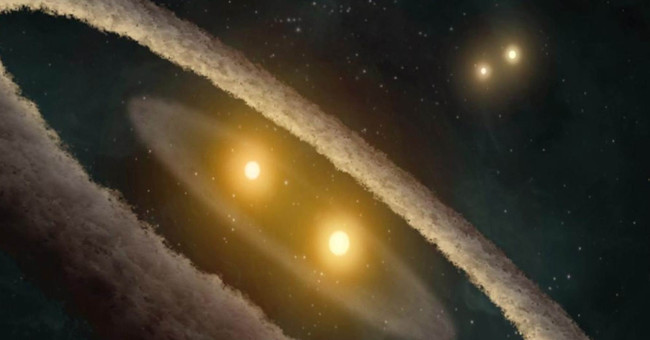
A group of American astronomers modeled out that the Sun could form with a twin star named Nemesis.
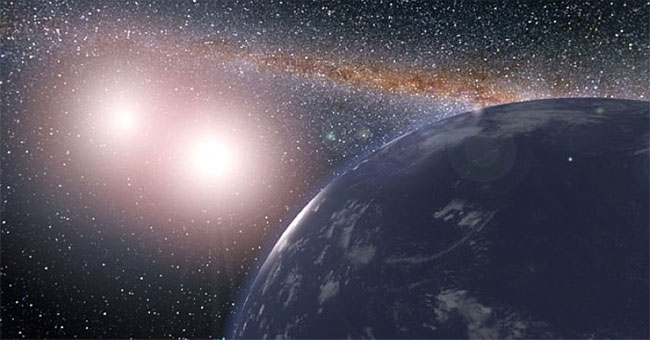
NASA's Kepler Space Telescope discovered 219 new planet candidates and 10 of them could fit life.
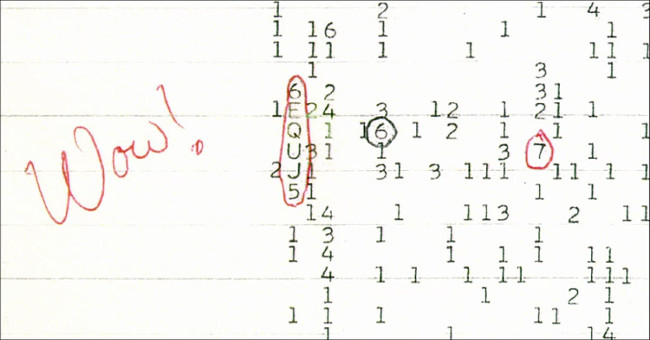
Cosmic signal 'Wow!' famous may be due to comets emitted rather than alien products.
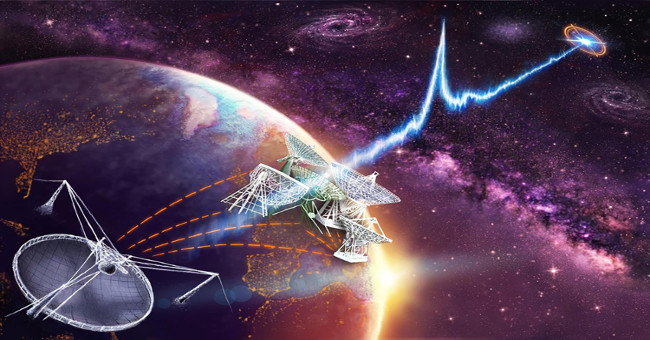
The new wave of light waves discovered about 6 billion light years makes astronomers more confused about the source of the signal.
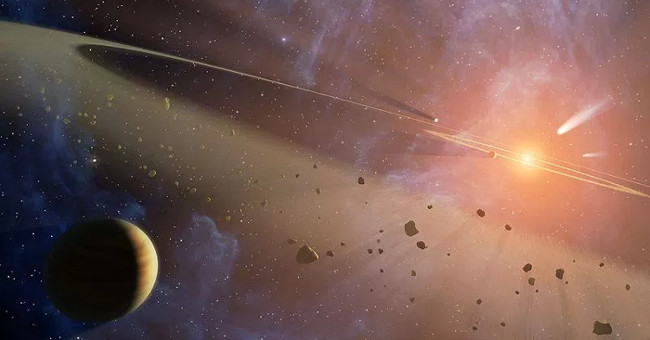
Astronomers from the US Aeronautics Agency (NASA) have discovered a solar system in the constellation Eradinus
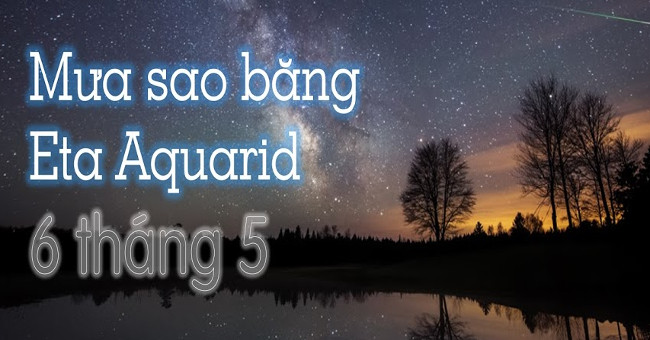
In the morning of May 6, you will witness the Eta Aquarid meteor shower. This is an average meteor shower, with about 20 to 40 meteors per hour.