Space science
Close up of a star's death
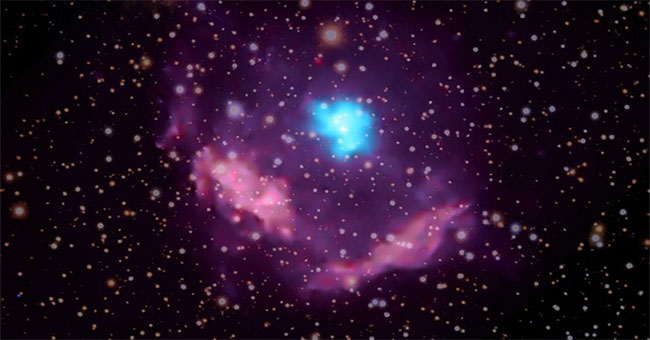
The first image was taken by Chandra X-ray Observatory of the US Space and Aeronautics Agency (NASA), showing the youngest pulsar that scientists have ever seen.
Browse ScienceInfo articles and explainers related to Constellation.
287 published items.
The first image was taken by Chandra X-ray Observatory of the US Space and Aeronautics Agency (NASA), showing the youngest pulsar that scientists have ever seen.
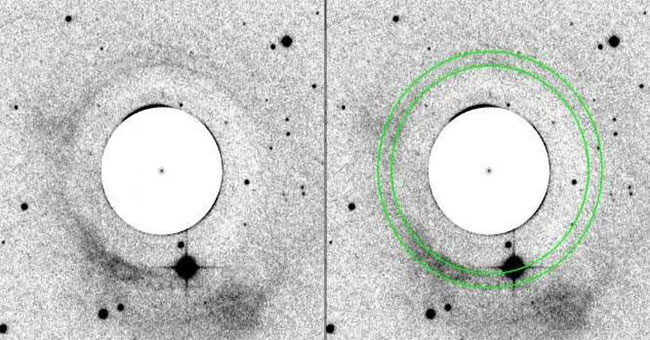
Using ESO's Very Large telescope, international astronomers detect ionizing halo around planetary nebula IC 5148.
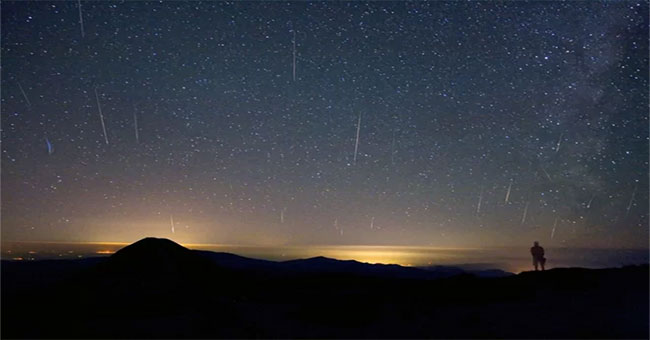
According to Mr. Dang Vu Tuan Son - President of Vietnam Young Astronomical Society, Draconid meteor shower can be viewed in any area.
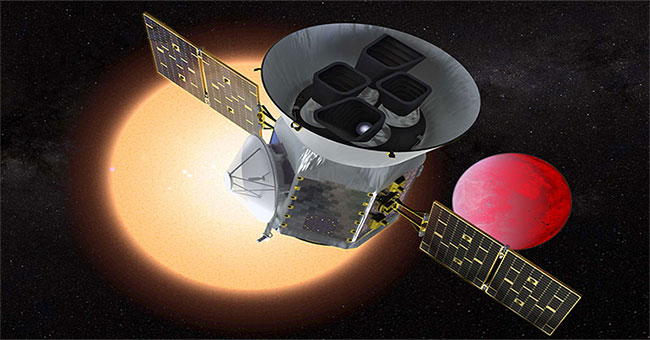
NASA's new planet hunter - TESS satellite - has just found the first alien world in the mission, a super-Earth evaporating in the constellation Son Dung.

Recently, the Hubble Space Agency's Hubble telescope (NASA) captured a striking image of NGC 4036, a lens-like galaxy that delighted science.
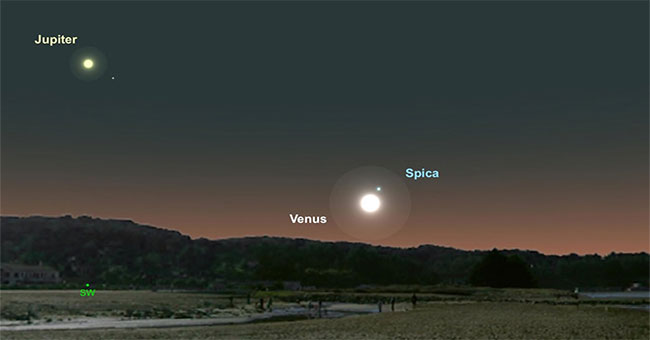
The meeting of the planets, the Moon, the transition period between seasons are outstanding astronomical events this month.
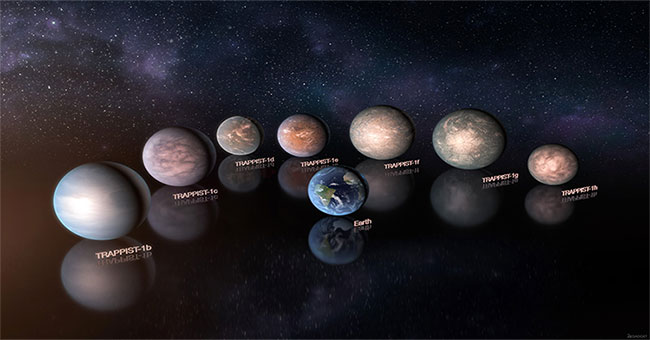
Seven planets orbiting a star in the Aquarius constitute more water than Earth, and also have a solid core and our planet-like atmosphere.
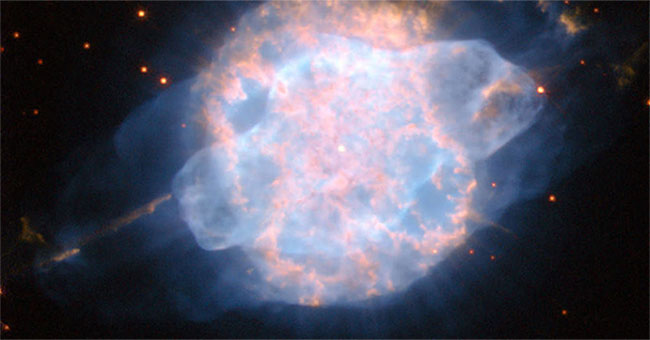
NASA has just released a picture of the NGC 3918 nebula, which has an eye shape.
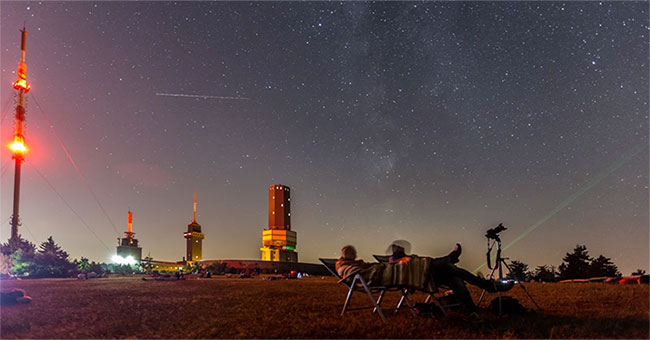
Vietnamese people will have a chance to watch meteor shower peak at dawn on August 13, with about 100 streaks every hour.
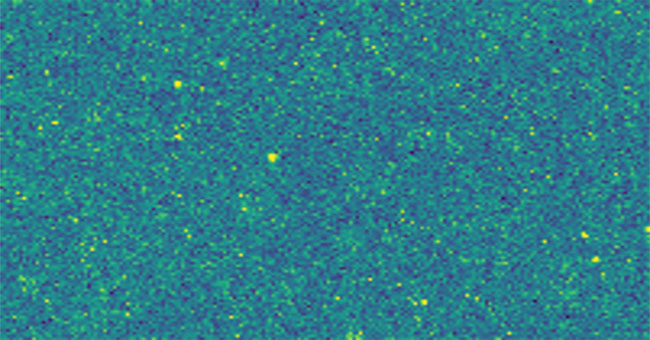
It seemed like it was just a piece of green paper with gold dust particles on it, but it wasn't that simple.
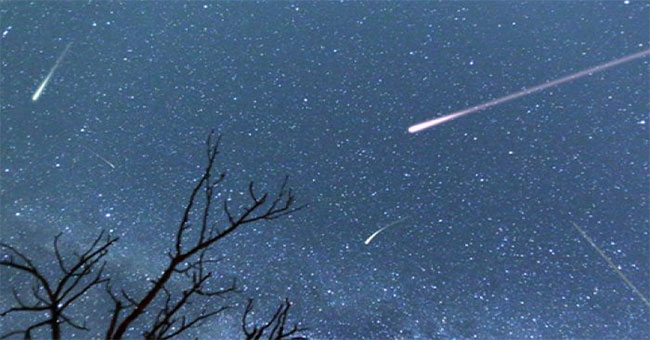
Delta Aquarid is an average meteor shower, which will reach its peak this weekend. Stay up with friends for the night to observe about 20 meteorites passing through the…

Ross 128b, the planet belongs to another solar system in the constellation Virgo, is capable of surviving better than the earth. One year on this planet is only 9.9 days.

The planets were discovered by NASA's Kepler spacecraft, by tracking the obscured light of the host star as the planet passes through the star's bright region.
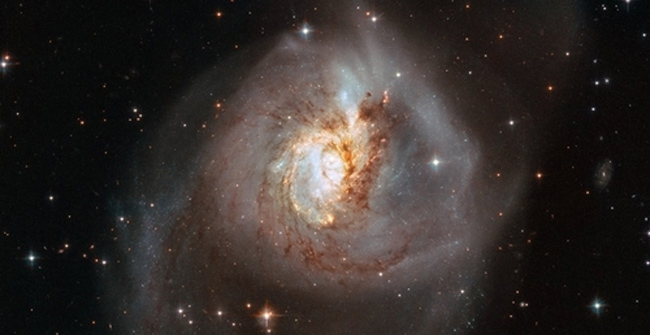
Galaxy NGC 3256 has a distorted shape due to the formation of a collision between two spiral galaxies.
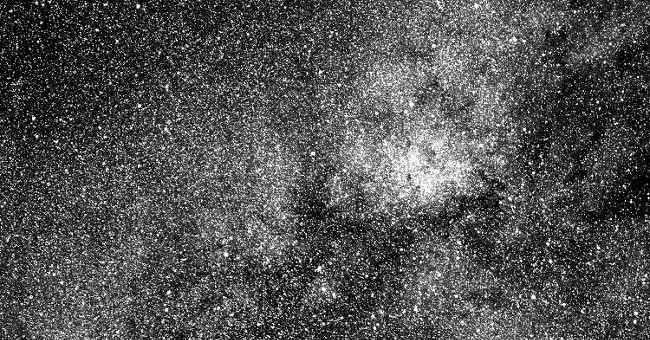
The Exoplanet Satellite Survey (TESS) sent the first shot when it was about 8,000 kilometers from the Moon, Space reported on May 18.