Space science
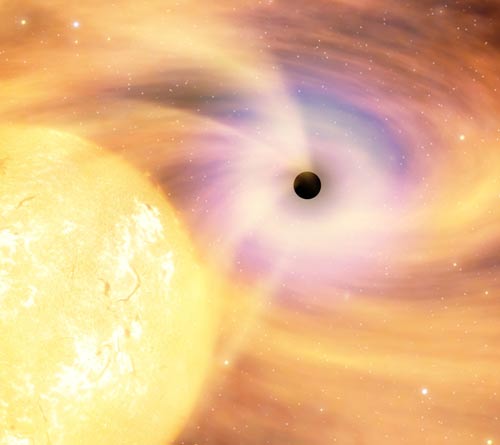
China creates cosmic black holes
Two Chinese scientists have reported that they have created a small black hole in the laboratory, but it is only capable of absorbing light.
Browse ScienceInfo articles and explainers related to Cosmic.
757 published items.
Two Chinese scientists have reported that they have created a small black hole in the laboratory, but it is only capable of absorbing light.
According to Radio Voice of Russia on October 5, at the Applied Astronomical Institute of the Russian Academy of Sciences in St. Petersburg. The International Conference…
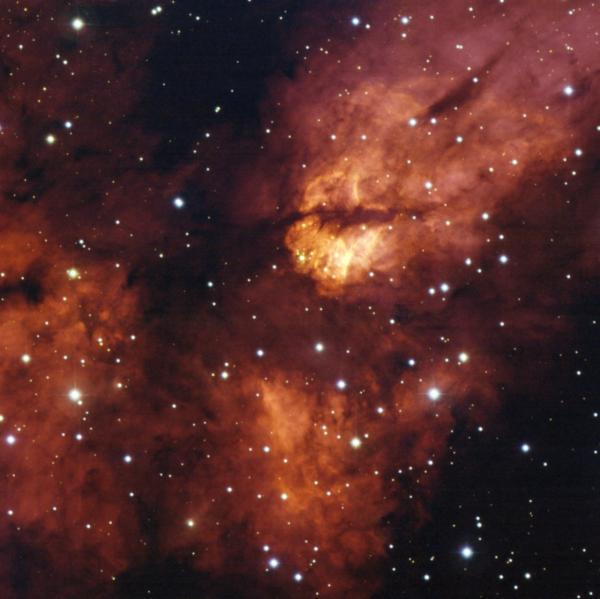
ESO recently published a series of central shots of a cosmic cloud called RCW 38, along with the newly created stars and planetary systems.
A modern astrophysical problem, though more or less
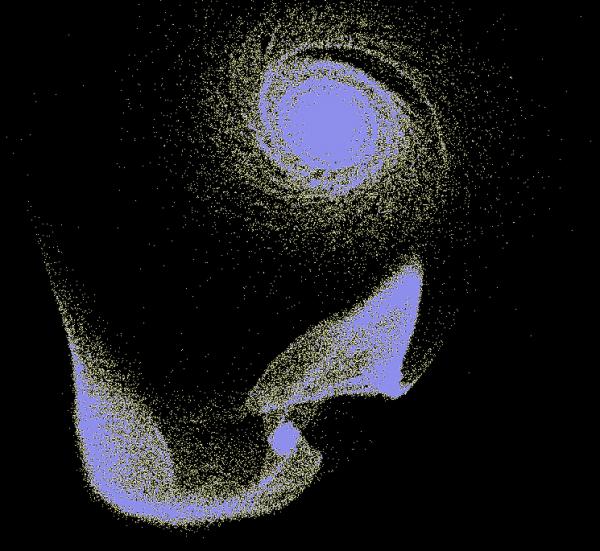
The new study, published July 30 in Nature, explains the origin of spherical dwarf galaxies.

An unprecedented map of the area inside the Milky Way has been revealed by astronomers.
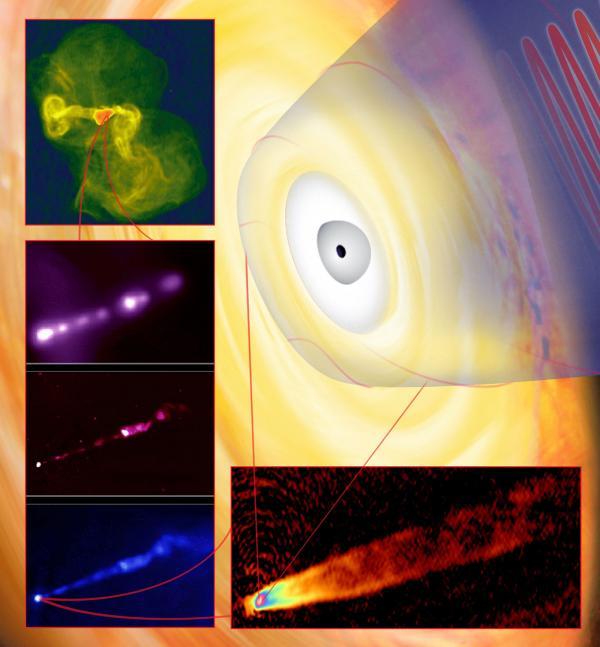
Using a combination of telescopes around the globe, scientists have discovered huge energetic gamma rays coming from an area close to the supermassive black hole.
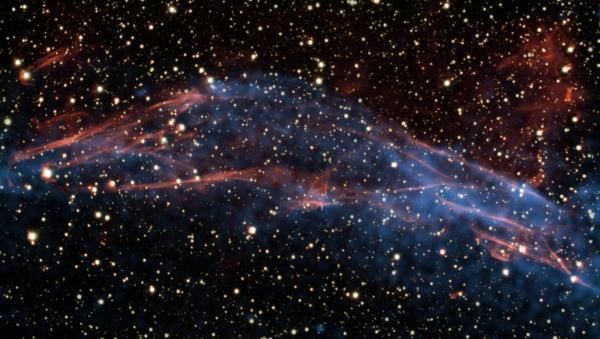
Thanks to a special study combining data from ESO's Extra Large Telescope and NASA's Chandra X-Ray Observatory, astronomers shed light on the mystery of the acceleration…
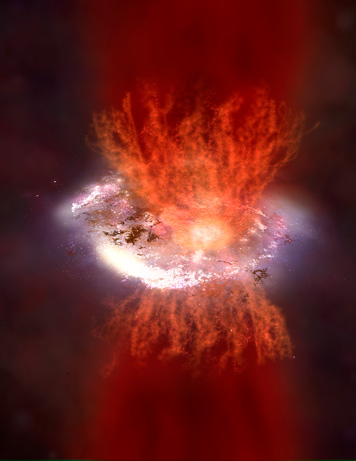
Mysterious gas droplets in remote areas of the universe are no longer a mystery, according to astronomers at Chandra X-ray Observatory (NASA).
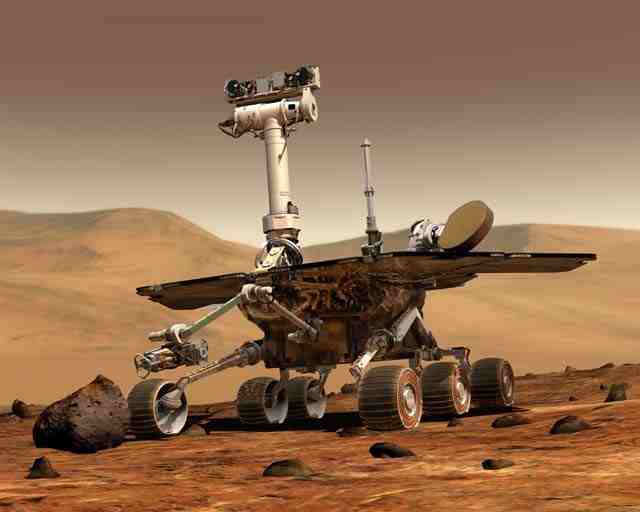
Five years ago, it was assumed that age and technical problems caused two Mars probes, Spirit and Opportunity, to be universal waste. However, up to now, the two ships s…

In the next 3 years, Russia will launch 11 additional satellite satellites for GLONASS global positioning system.
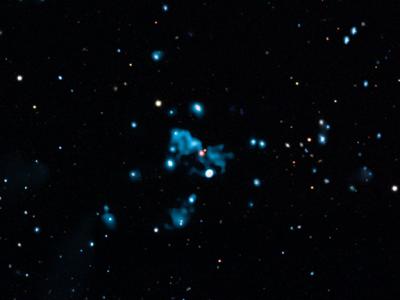
The Chandra X-ray Observatory (NASA) recently discovered a cosmic ghost lurking around a supermassive black hole in the distance.
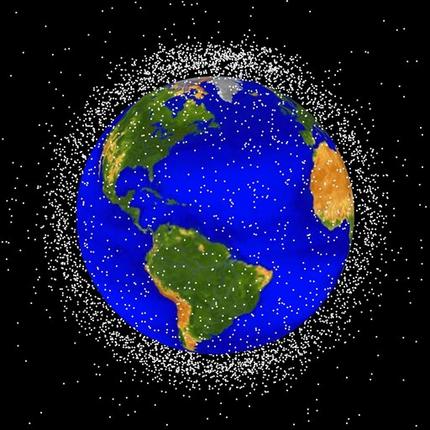
Space shuttle Atlantis is currently flying in a chaotic space - where thousands of cosmic debris move very fast around the Earth at nearly 20,000 miles per hour (mph).

Scientists have discovered a cosmic bubble generated from the release of gas from a dying star, up to 60 light-years across and approximately 70,000 years old.
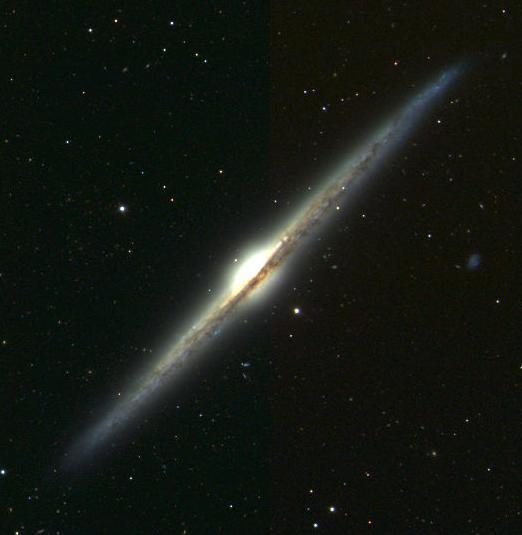
According to a team of astronomers, the intergalactic space seems to be filled with fuzzy smoke, tiny dust particles that dim light from distant objects while transformi…