
Space science
The crater lake on Mars changes shockingly
A lake that exists on the crater on Mars suddenly turns into a dry mound with no water drop.
Browse ScienceInfo articles and explainers related to Crater.
342 published items.
A lake that exists on the crater on Mars suddenly turns into a dry mound with no water drop.

This galaxy is the 4th largest satellite orbiting the Milky Way galaxy.

The European Space Agency (ESA) has just released images that are believed to be traces of past water on Mars (Mars).
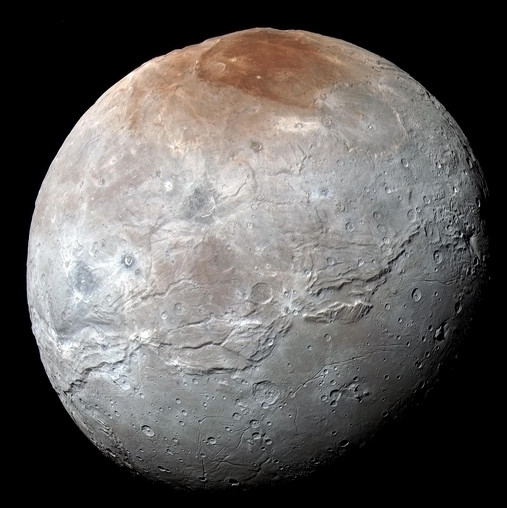
Three months after the last meeting of the New Horizons mission, scientists from NASA finally revealed details about what they found on the dwarf planet.
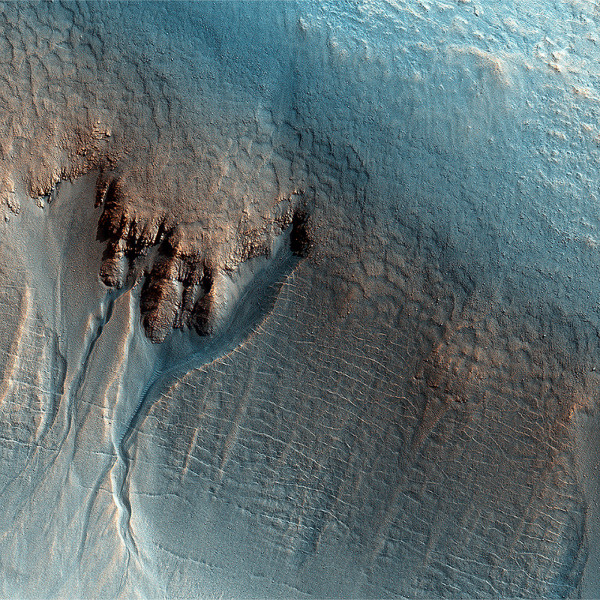
NASA researchers believe that some ancient lakes on Mars may have been filled with water for 10,000 years, long enough for life to form and grow.
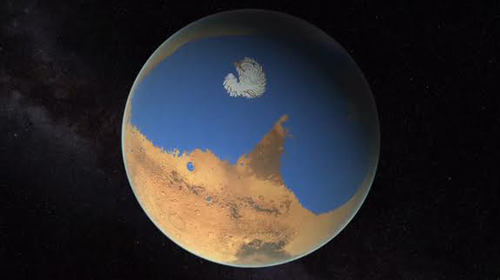
Scientists believe that Mars once looked like Earth in ancient times, when the Curiosity probe detected rock on the red planet very similar to the ancient continental cr…
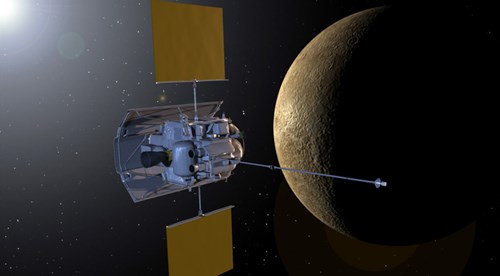
Mercury is the smallest planet in the solar system and is always a mystery to humans. However, recent images provided by Messenger spacecraft have helped scientists unco…
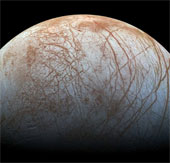
NASA director Charles Bolden said on February 2 that the agency will select projects to serve Jupiter's moon exploration.
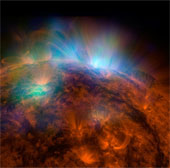
The NASA Center explains the mysterious phenomenon that takes place on the southern end of the Sun, in fact, the appearance of a giant coronary crater on the surface of…
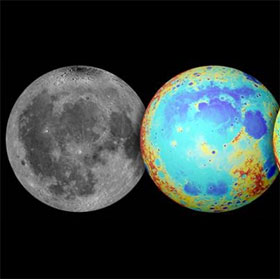
A group of researchers were able to decipher the origin of the black dimples on the Moon.
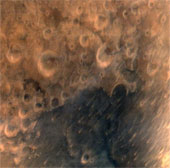
India's spacecraft sent to Earth the first photos of Mars with the surface formed by craters.
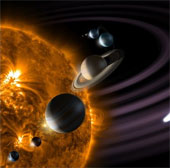
A part of the water found in Earth's oceans, water in meteorites and water that freezes in the craters on the moon have been formed before the Solar System.
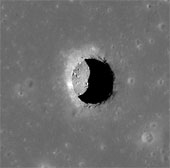
The Moon's surface is not only many craters but also many holes. According to NASA, the caves that connect these holes may be a haven for future astronauts.
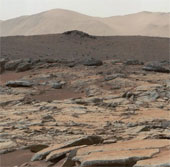
The United Arab Emirates (UAE) on July 16 said it is planning to bring a space probe to Mars by 2021.
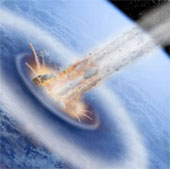
Researchers at Stanford University (USA) say asteroids attacking Earth 3.26 billion years ago are more powerful.