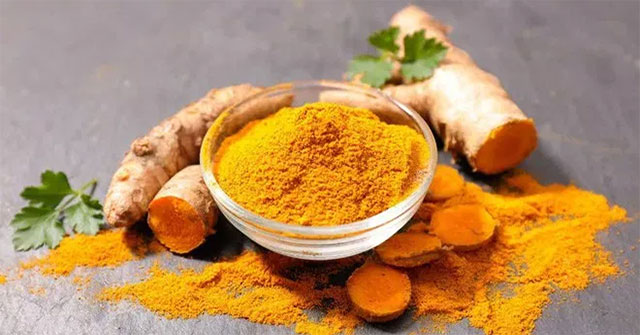
Health
France warns that overuse of turmeric can be toxic to the liver
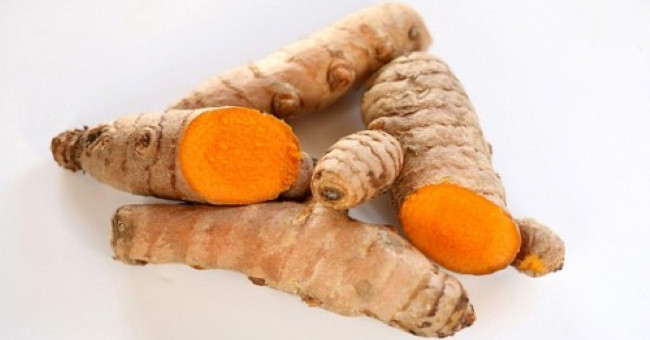
On June 29, the French National Food Safety Authority (ANSES) issued a warning, people should be cautious when consuming turmeric as a functional food.
Browse ScienceInfo articles and explainers related to Curcumin.
13 published items.
On June 29, the French National Food Safety Authority (ANSES) issued a warning, people should be cautious when consuming turmeric as a functional food.
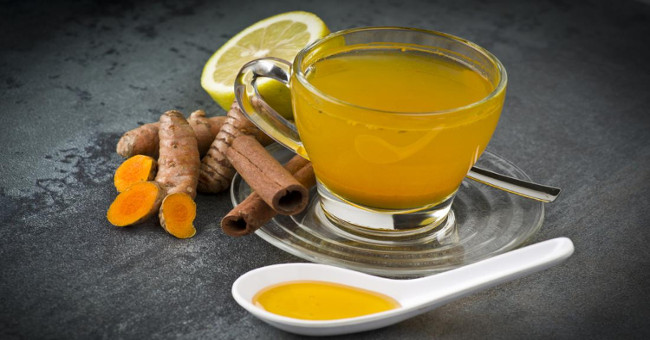
Turmeric is not only a delicious spice, effective medicine, but also the ingredients of nutritious drinks and tea.
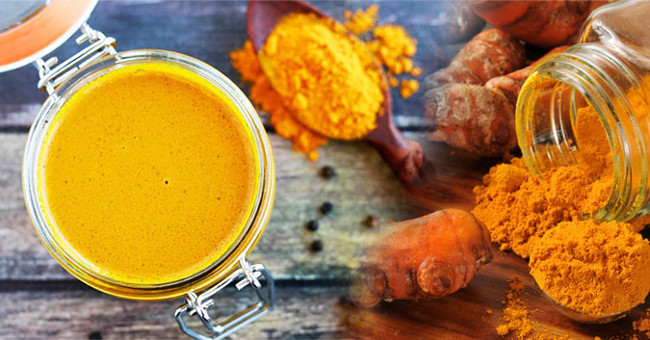
From 4,500 years ago, technology has been used primarily in Asia both in cooking and treating many diseases from digestion, joint ... to skin wounds.
Many previous studies have shown that curry is not only spice but also anti-inflammatory, anti-oxidant and especially anti-cancer thanks to curcumin - a curry yellow cha…

Research at the University of Oregon (USA) recently showed that curcumin active in curry powder is often used by housewives in cooking can significantly increase the amo…
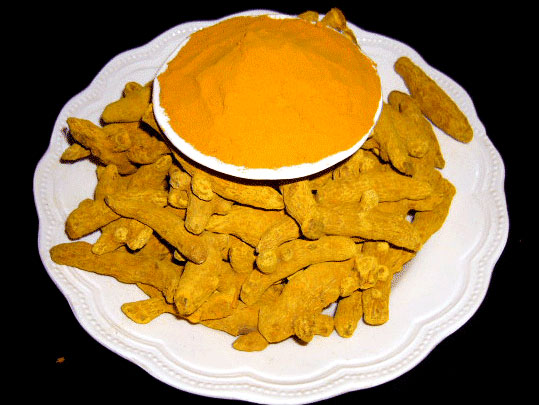
Curcumin in turmeric provides many health benefits. Previous studies have shown that this substance can fight cancer cells in the laboratory. It also works to help peopl…
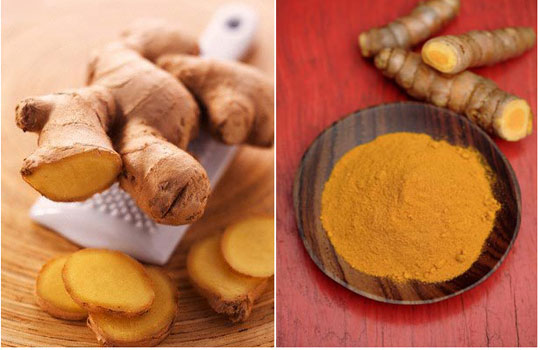
Curcumin - the main active ingredient extracted from yellow turmeric can prolong human life because it contains all substances ...
Japanese scientists have created two synthetic versions of curcumin - a yellow ingredient that gives a special flavor to curry - inhibits various cancer tumors, and thos…

Pepper is so ubiquitous in our daily lives that people forget that this is the most popular spice in the world. The latest research has shown that this spice plays a maj…
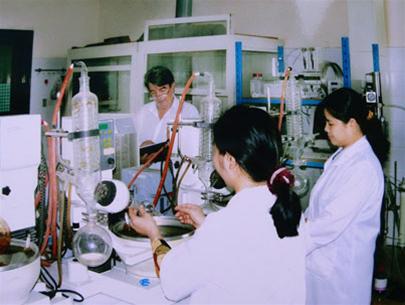
Pineapple is not only a normal refreshing fruit, pineapple can also be produced into a health food. That is the research result of scientists at the Project

Curcumin in turmeric is considered to be the most representative for the new generation of anticancer agents, both effective and safe. It prevents the growth of cancer c…
October 11 morning, Scientific Workshop

Previous studies have found that postmenopausal women who have taken estrogen and progestin hormone replacement therapy have a higher risk of developing breast tumors.