
Discover science
Scientists discover perfect sex secrets
To achieve ideal orgasm, no sex toys or stimulants are needed, but need a healthy heart and supple health.
Browse ScienceInfo articles and explainers related to Diet.
618 published items.
To achieve ideal orgasm, no sex toys or stimulants are needed, but need a healthy heart and supple health.

It seems that weight loss in men is usually better and faster than women. Recently, a diet study has once again confirmed that it is correct.
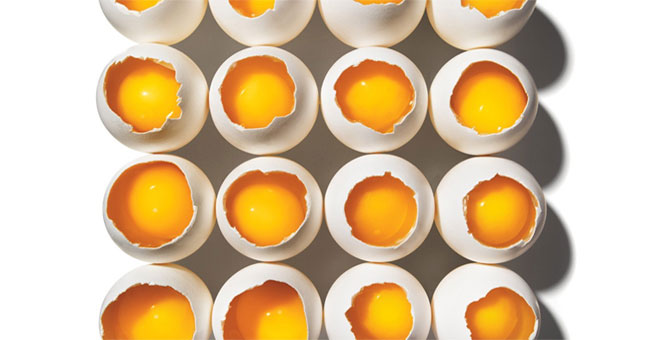
Have you ever wondered why egg yolk can have so many different shades, from light yellow to dark orange?

Sweet is the taste that many of us love. This is even more authentic when the milk tea fever, now fresh milk with black sugar has not cooled down to young people.

The most persistent and classic debate is still: Should humans eat meat? Not hard to understand, food is divided into two sources: animals and plants.

What if one day the meat disappears from the daily diet?

The birds currently living on Earth have no teeth. Let's find out the cause and discover this interesting truth.

Despite having an extremely anti-scientific diet, the people of Crete still lived well, not afraid of heart disease.

Hunza people (Pakistan) have an average life expectancy of 120, never know about cancer, live without worry, and carefree like children.
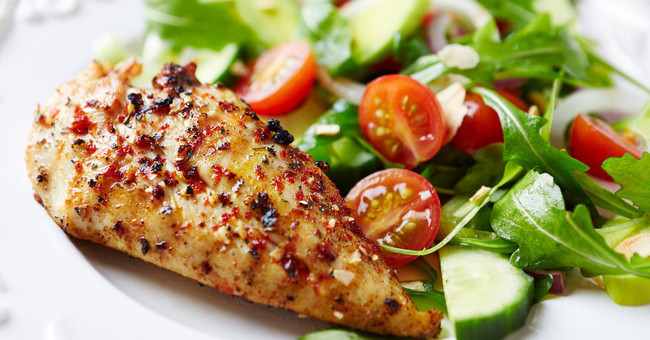
Royal British chef said that Queen Anh is quite simple in eating and loves vegetables and chocolate.

We often think that monkey's main food is bananas but it turned out to be a very misconception.

On the small islands of the Solomon Islands, located in the middle of the Pacific Ocean, indigenous people rely heavily on marine resources and travel by dugout boats, a…

To prolong the skull, the Patagonian people who lived 2,000 years ago in South America tied the cloth around the child's head or pressed their heads with wooden planks.

Have you ever wondered what is the driest place in the world or how to put a pear in a bottle? The results of recent scientific discoveries will help us better understan…

Do you realize that Europeans are very beautiful when they are young, but they seem to grow faster than Asians?