Animal world
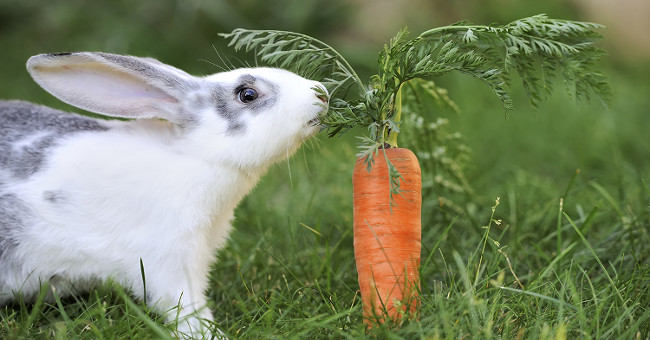
The truth about the concept of bunny likes to eat carrots
Although many people think that rabbits like carrots, carrots are not the ideal food for this animal, according to How Stuff Works. Ch
Browse ScienceInfo articles and explainers related to Digestive.
162 published items.
Although many people think that rabbits like carrots, carrots are not the ideal food for this animal, according to How Stuff Works. Ch

Because young finches need a high amount of nutrients to grow fast and have a poor stomach function, unable to crush and digest nuts, mother finches are forced to use th…

Experts have tried to answer questions about big pandas, lovely animals that eat bamboo leaves but the amount is too small because they are too lazy to mate.

Similar to humans, many animals also find drugs to heal themselves, such as digestive disorders, parasitic infections, ... or even to reduce labor pain.

Dogfish (Esox) is fast-paced, so it is hard for any prey to escape.

A Sumatra tiger named Melani suffered from undiagnosed gastrointestinal disorders in the last 5 years. Its weight falls from 75kg to less than 60kg.

According to the long-held concept, carrots are the favorite food of rodents with this lovely appearance. But, experts who discovered the vegetables could cause rabbits…

Appearing permanently on cable channels naturally, crocodiles are described as one of the most terrifying predators on earth. When the opportunity arises, crocodiles wil…

A new study found that these pythons are capable of absorbing calcium from the bones of prey that they swallow before, and that is a source of nutrients to supplement th…

The buffalo phenomenon always chews even though there is no food in the mouth that is a digestive phenomenon especially in cattle and it is called the ruminant. Unlike o…

Argentine scientists have found a way to turn belching gas, created by the cows' digestive system, into fuel.

In herbivores, when they burp the digestive system, they release a lot of greenhouse gases.

For the first time in the world, through today's most advanced scanning techniques, researchers at Aarhus University ...

Stone Age (Stone Age) is a long prehistoric period about 3 million years ago, in which people used stone to make things.

According to research, the intestinal bacteria system plays an important role in human metabolism, and artificial sweeteners can affect host health.