
Oceanography
Sharks have weak jaws
Researchers at the University of Tampa (USA) found that sharks actually have very weak jaws compared to their size.
Browse ScienceInfo articles and explainers related to Discovery.
1,278 published items.
Researchers at the University of Tampa (USA) found that sharks actually have very weak jaws compared to their size.

The term Octopus comes from the ancient Greek and means eight feet. But a recent study by international scientists showed that this mollusk has six arms and two legs.
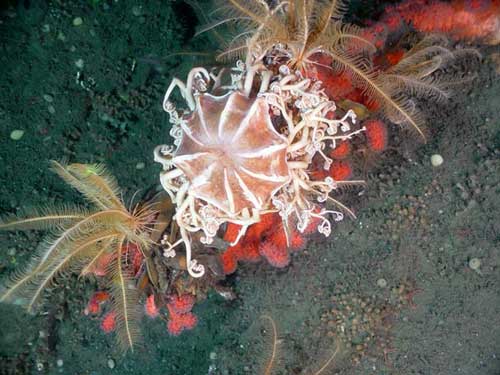
When you think about the splendor of coral reefs and colorful fish, you can imagine images of Hawaii or the beautiful Caribbean Sea. And if that's the case, then a recen…

The multinational archaeological team led by Richard Owen, a scientist from Hong Kong Baptist University, has deciphered the interesting secret related to the modern hum…
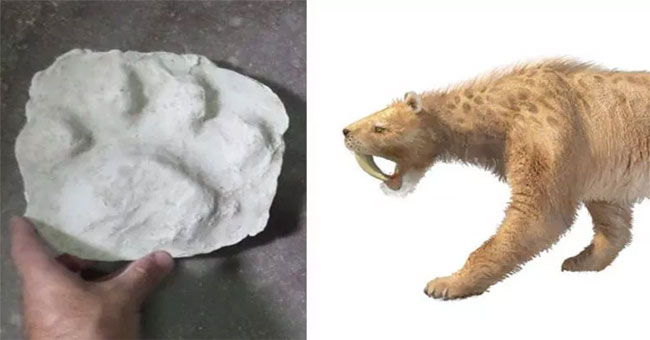
A group of paleontologists discovered this in the seaside resort of Miramar, 450km south of Buenos Aires.

On August 21, Peruvian and American archaeologists announced that a new labyrinth has been discovered in three underground galleries at the ancient Chavín de Huántar tem…
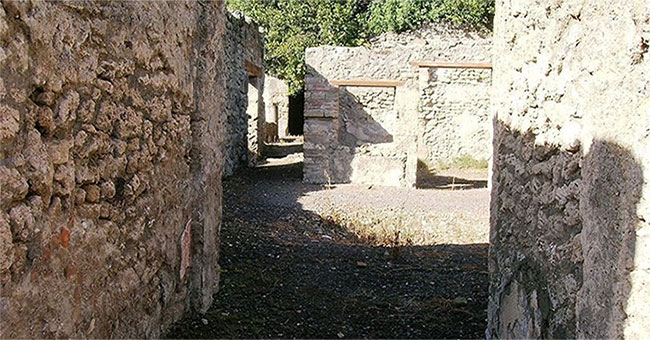
According to The Nation, archaeologists have revealed their latest findings at the home of a rich man living in ancient Rome.
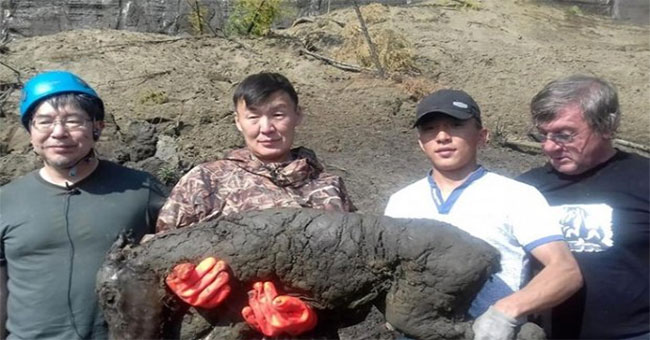
A 3-month-old fossil horse found in Siberia is a fossil horse

Archaeologists in Egypt unearthed two buildings dating to about 4,500 years old that are most likely related to the construction of the pyramids at Giza.
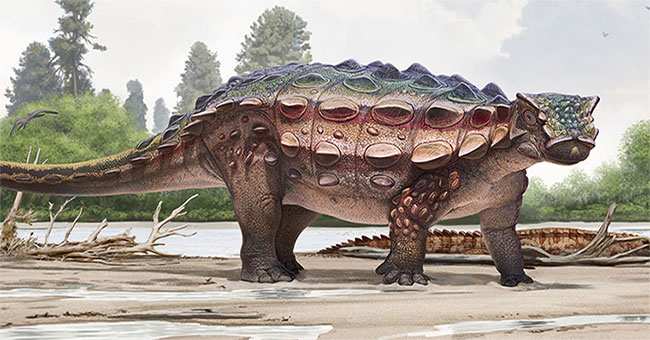
Paleontologists were confused when they first excavated fossil-covered fossil dinosaurs in the state of Utah, USA, according to Live Science.

An ancient 2.3kg heavy bronze hand of ancient Romans was unearthed by archaeologists at the Hadrian border wall area in England.
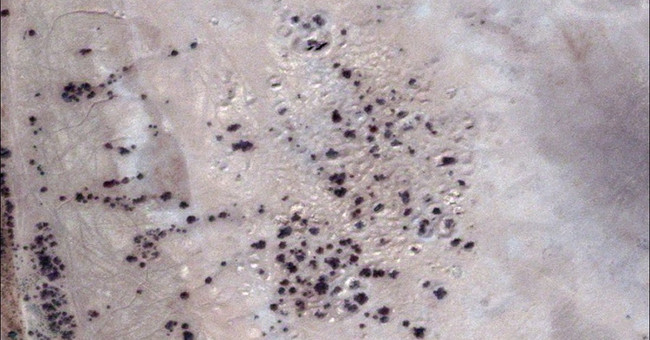
Many stone carvings in the piece of antiques that were handed to Iraq in May 2016 led scientists to search for the missing city of Irisagrig.
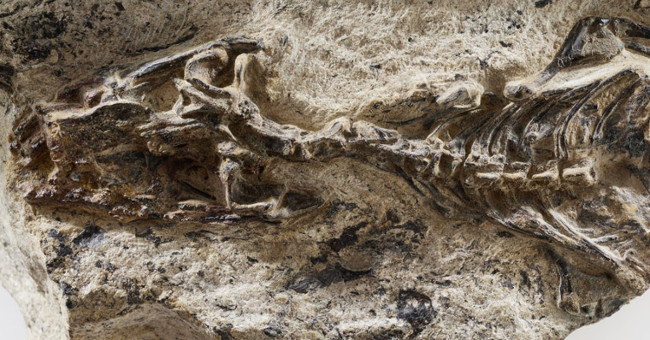
Brazilian scientists have discovered fossils of animals that lived between 42 and 39 million years ago in Curitiba, in the southern state of Parana.
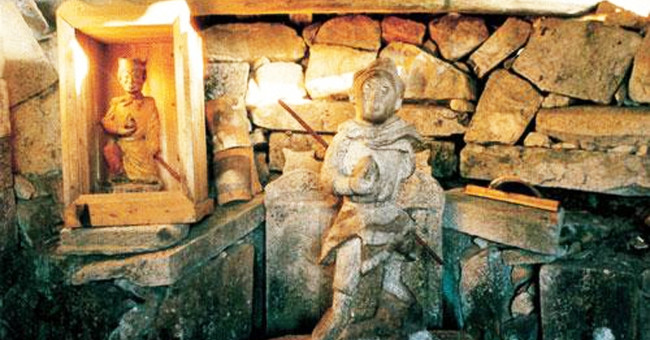
The work of Tay Du Ky was written by Ngo Thua An in the Ming Dynasty, but this tomb appeared again since the Nguyen Dynasty.

Argentine archaeologists announced on April 17 that they had discovered the fossil of a family of Glyptodon (600 teeth) dating back 600,000 years.